Greece’s political landscape faces uncertainty as PASOK strategy comes under scrutiny

Greece’s political landscape could be heading toward renewed instability, as internal strategy debates within PASOK raise questions about the opposition’s readiness for a potential early election.
According to Greek media reports, PASOK leadership has shifted into “full readiness mode”, anticipating that Prime Minister Kyriakos Mitsotakis may call snap elections in the near future.
Drivers Behind Early Election Speculation
The expectation of early polls is fueled by a combination of political and economic pressures, including:
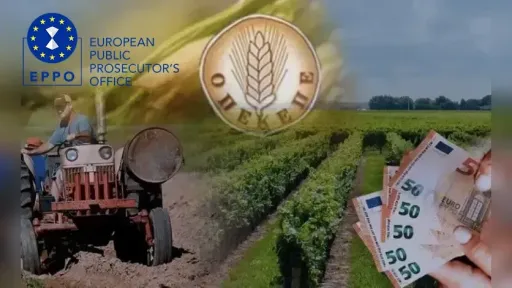
- Developments surrounding the OPEKEPE subsidy case
- Ongoing judicial processes related to the wiretapping scandal
- Economic fallout linked to instability in the Middle East
PASOK officials believe these factors could weaken the ruling New Democracy, opening a window of opportunity.
Internal Strategy Debate
Despite recent efforts by party leader Nikos Androulakis to ease internal tensions—particularly by avoiding direct confrontation with Haris Doukas—analysts warn that a key strategic stance could backfire.
PASOK’s firm commitment not to form a post-election coalition with New Democracy is increasingly viewed as a potential miscalculation. Critics argue that this position may:
- Limit PASOK’s post-election maneuverability
- Open political space for rival opposition forces
- Reinforce perceptions of political rigidity
- Polls Show Persistent Gap
Recent polling data paints a challenging picture for PASOK:
- A double-digit gap (over 12 points) behind New Democracy
- A strong public perception that the ruling party remains the most likely election winner
Analysts note that even PASOK voters appear uncertain about the party’s chances, raising concerns about voter motivation and turnout.
New Political Movements Add Pressure
The potential emergence of new political formations led by Alexis Tsipras and Maria Karystianou is adding another layer of complexity.
While these movements may not directly erode PASOK’s base, they are expected to:
- Fragment opposition votes
- Limit PASOK’s growth potential
- Complicate coalition arithmetic
- “Stability vs Uncertainty” Dilemma
One key scenario being discussed is a New Democracy victory without an outright majority, which could trigger coalition talks. However, PASOK’s current stance raises the possibility of a second election, intensifying political uncertainty.
Experts warn that in such a scenario, voters may increasingly prioritize stability over political experimentation, potentially benefiting the ruling party.
Outlook
Despite criticism, PASOK leadership remains confident that issues such as rising living costs, political scandals, and governance challenges will erode government support.
The coming months are expected to be decisive in determining whether Greece’s political balance will shift—or whether current power dynamics will hold.