Kozlukebir and Maronia-Sapçı declared areas affected by locust infestation
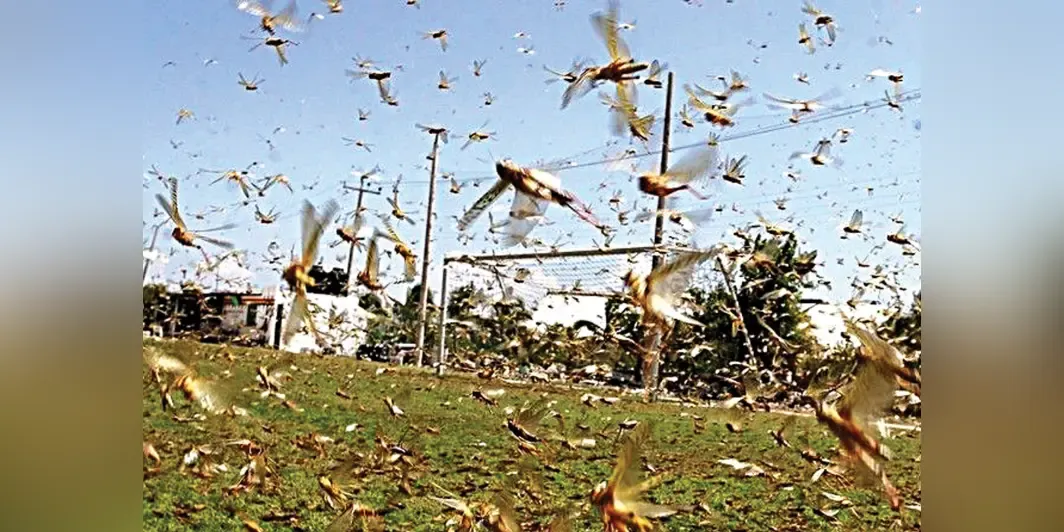
The locust problem, which has expanded in recent years, continues to cause damage to agriculture and livestock activities. Authorities reported that locust swarms have been affecting the area particularly since 2021, leading to increased concerns among farmers and local communities.
The entire Municipality of Maronia-Sapçı was designated as an affected area after high concentrations of locusts in the nymph stage were detected in non-agricultural areas across all settlements within the municipality.
A similar decision was initially made earlier this year for only the Kozlukebir municipal unit. However, following a rapid increase in the locust population and the widespread presence of nymph-stage locusts across non-agricultural lands in all municipal units, the decision was expanded to cover the entire Municipality of Kozlukebir.
Special committees have been established in both municipalities to coordinate monitoring and control operations. Under the guidance of the Rodopi Directorate of Agricultural Economy and Veterinary Services, teams are working to identify affected areas and organize intervention efforts to prevent further agricultural losses.
Targeted pesticide spraying operations are continuing in different parts of Rodopi. The efforts are being carried out by municipal teams as well as specialized teams established by the regional administration.
Experts warn that locust activity has also started appearing in neighboring areas, including the Municipality of Dedeağaç. However, Maronia-Sapçı remains the main center of the outbreak.
Officials attribute the severity of the problem partly to the decline of rural populations and the abandonment of agricultural land. Uncultivated fields provide favorable conditions for locust reproduction, while the lack of winter plowing, which previously helped destroy locust eggs, has contributed to population growth.