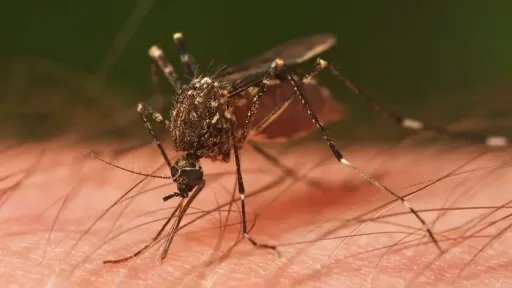
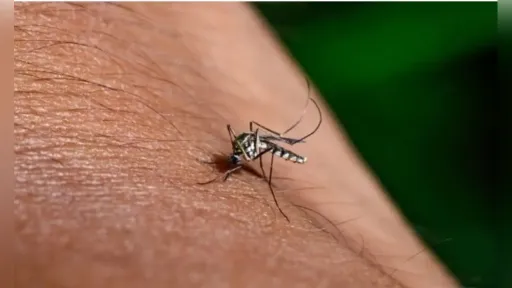
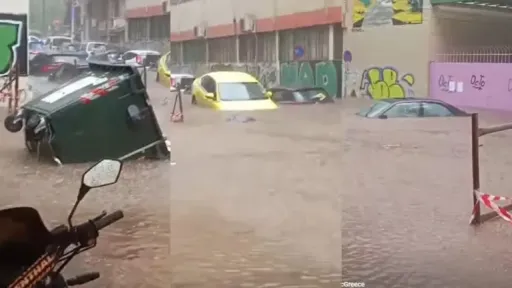
Greek health authorities warn of West Nile Virus return as mosquito season begins
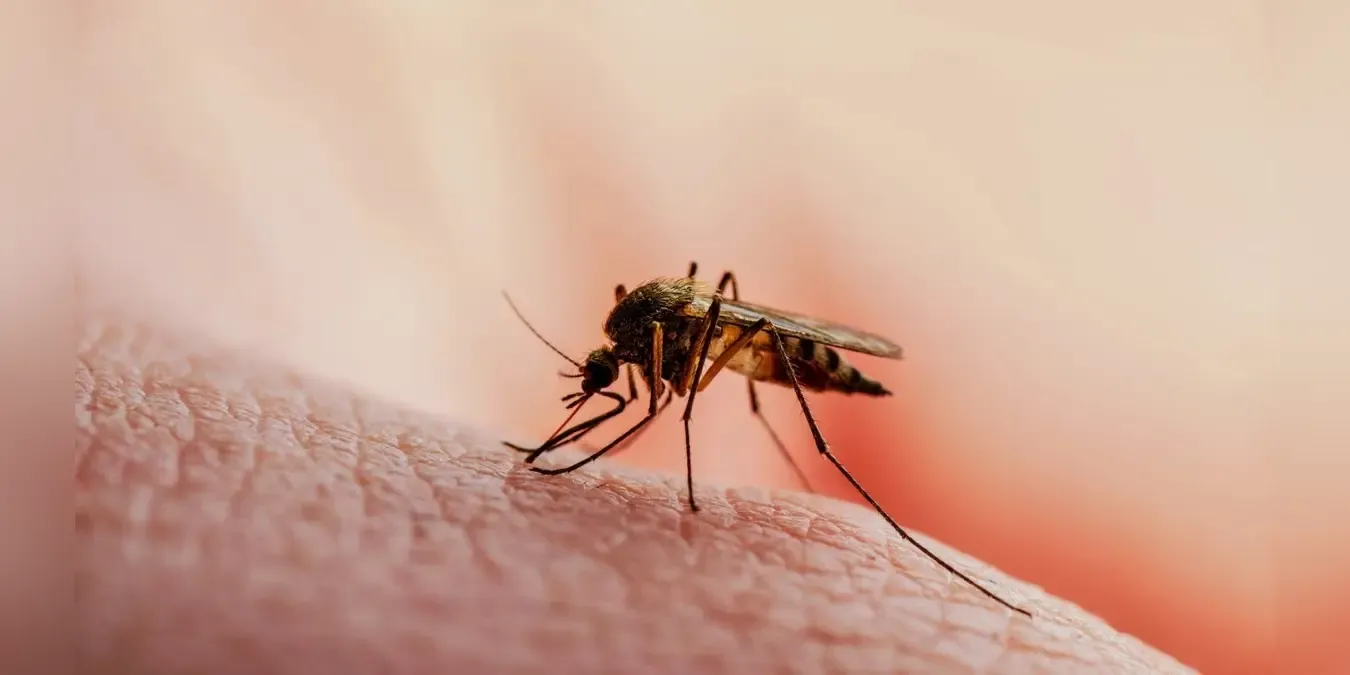
Greek health authorities have issued a nationwide warning urging residents to take preventive measures against mosquito bites as the country prepares for the expected return of the West Nile virus during the 2026 mosquito season.
The warning comes from the National Public Health Organization (EODY), which says the virus is likely to circulate again this year, following a pattern of recurring infections recorded across Greece since 2010.
More Than 2,100 Cases Recorded Since 2010
According to official data, Greece has recorded a total of 2,184 West Nile virus infections between 2010 and 2025, averaging 123 cases annually.
Health authorities report that approximately 71% of cases involved severe neurological complications affecting the central nervous system, including encephalitis and meningitis. During the same period, 301 patients died, representing around 14% of all recorded infections.
Cases have previously been detected in every administrative region of Greece and in more than half of the country's municipalities.
Based on historical epidemiological data, experts consider new infections during the 2026 transmission season highly likely.
How the Virus Spreads
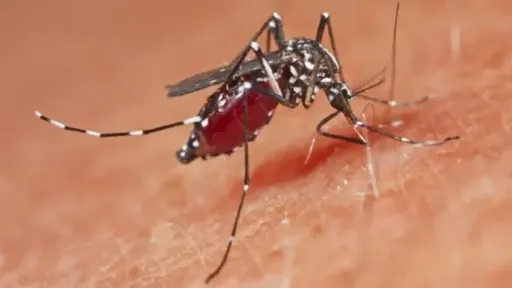
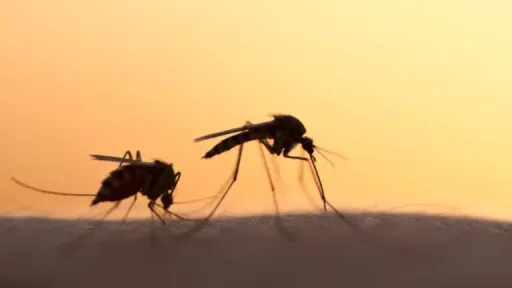
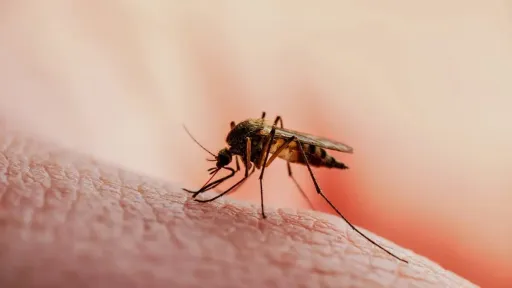
West Nile virus is primarily transmitted through the bite of infected common mosquitoes. Mosquitoes become infected after feeding on infected birds, particularly certain species of wild birds that serve as natural reservoirs for the virus.
Humans infected with the virus do not transmit it directly to other people or to mosquitoes through casual contact.
Most infected individuals experience either no symptoms or only mild illness. However, less than 1% develop severe disease affecting the nervous system, which can lead to life-threatening complications.
Elderly and Vulnerable Groups Face Highest Risk
EODY warns that people over the age of 50, individuals with weakened immune systems, and those suffering from chronic underlying medical conditions face a significantly higher risk of severe illness.
Advanced age remains the most important risk factor for neurological complications and fatal outcomes.
Because the spread of the virus depends on multiple environmental and ecological factors, authorities say it is impossible to accurately predict which regions will be affected during the summer and autumn months.
Recommended Mosquito Protection Measures
Health officials are advising residents throughout Greece to follow mosquito prevention measures during the entire transmission season.
Recommended precautions include:
- Using approved insect repellents for both personal and environmental protection.
- Installing window screens and mosquito nets.
- Using air conditioning units and fans indoors.
- Wearing long-sleeved clothing and long trousers, particularly during peak mosquito activity.
Eliminate Standing Water
Authorities stress that preventing mosquito breeding is one of the most effective methods of reducing infection risk.
Residents are encouraged to:
- Regularly inspect gardens, balconies, rooftops, courtyards, agricultural land, and vacant plots for standing water.
- Empty, cover, or frequently refresh water containers at least once per week.
- Clean gutters, drainage systems, and water channels.
- Install protective screens on septic tank ventilation openings.
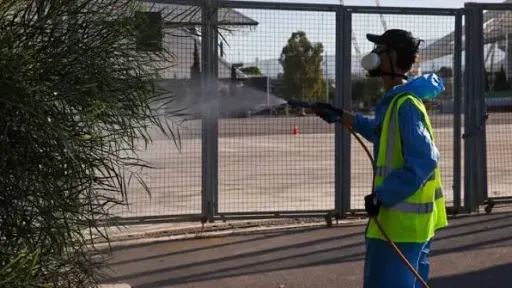
Public health officials emphasize that mosquito breeding sites located on private property often cannot be addressed by municipal control programs, making individual action essential.
Enhanced Surveillance Underway
The Ministry of Health and EODY have launched enhanced epidemiological surveillance measures for the 2026 season, including real-time monitoring of cases, mosquito populations, and environmental risk factors.
A specialized interagency task force continuously evaluates epidemiological and entomological data to identify affected and high-risk areas where additional public health interventions may be required.
Authorities also implement special safety measures for blood donations in areas identified as high-risk for virus transmission.
Public Awareness Remains Key
Health officials stress that while most infections remain mild or asymptomatic, preventive measures are crucial to protecting vulnerable populations and reducing the overall public health impact of the virus.
With mosquito activity expected to increase during the summer months, authorities are calling on residents across Greece to remain vigilant and adopt protective measures early in the season.
The warning underscores the continuing challenge posed by West Nile virus in Southern Europe, where climate conditions and mosquito populations continue to support seasonal transmission.