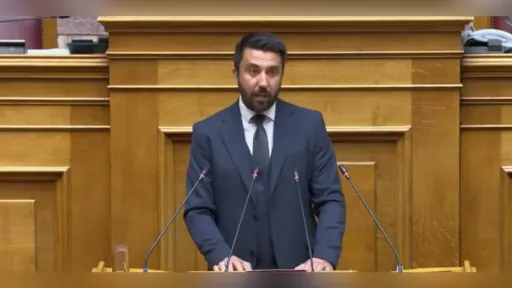
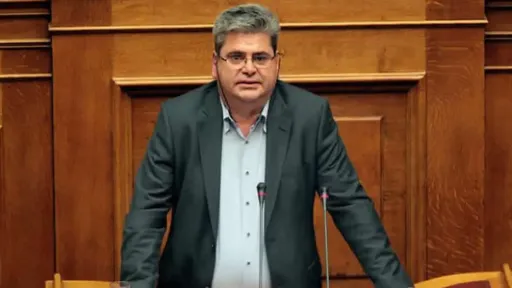
MP Özgür Ferhat files parliamentary question over Egnatia toll policies

The motion highlights growing concerns among residents of Rodopi and Meriç, where the motorway is considered an essential transport corridor rather than an optional route.
Rising Costs and Local Impact
Ferhat emphasized that recent toll increases and the restriction of exemptions have triggered strong reactions from local communities. He warned that the removal of free passage for region-based commercial vehicles is placing a heavy burden on:
- Workers and daily commuters
- Small business owners and tradespeople
- Farmers and local producers
“The Egnatia motorway is not a luxury but a necessity for border regions,” Ferhat noted, stressing its critical role in transport, economic activity, and social cohesion.
Practical Barriers and Inequality Concerns
The MP also criticized new administrative requirements, including:
- Toll cards being linked strictly to a specific individual
- Mandatory ID checks at toll crossings
- According to Ferhat, these measures create practical and fairness issues, particularly in cases where vehicles are shared within families. Even if a driver resides in the eligible region, they may be forced to pay if the vehicle or toll card is registered under another household member.
Key Questions to the Government
In his parliamentary submission, Ferhat asked the relevant ministry to clarify:
- Whether toll fees and exemption policies will be reconsidered
- If free passage for local commercial vehicles will be reinstated
- Whether exemptions will be expanded and simplified
- If toll systems could be restructured based on vehicle or household, rather than individuals
- Call for Fair Access
- Ferhat concluded by urging the government to recognize the unique needs of border regions, ensuring fair and equal access to critical transport infrastructure.
The issue adds to mounting political and social pressure over toll policies in northern Greece, as stakeholders warn of widening economic disparities.