Tensions rise between SYRIZA and PASOK over no-confidence motion

Relations between Greece’s opposition parties SYRIZA and PASOK have sharply deteriorated amid disagreements over a proposed parliamentary no-confidence motion linked to the OPEKEPE subsidy scandal.
Senior SYRIZA officials have accused PASOK of political arrogance and reluctance to cooperate, deepening divisions within Greece’s broader opposition bloc.
Dispute Over No-Confidence Initiative
The controversy centers on a proposed motion of no confidence concerning OPEKEPE, Greece’s agency responsible for managing EU agricultural subsidies.
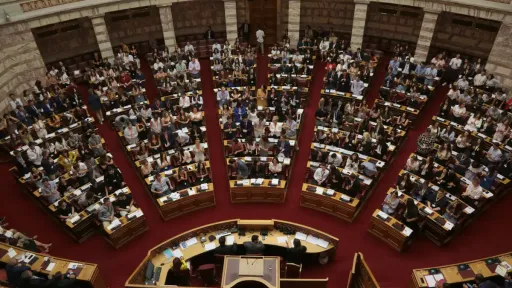
The initiative was led by SYRIZA figure Sokratis Famellos. However, the party lacks the required 50 parliamentary signatures to formally submit the motion, even when combined with support from smaller parties.
As a result, PASOK’s backing is considered essential. According to SYRIZA sources, however, PASOK declined to engage in discussions, effectively blocking the initiative.
SYRIZA Criticizes PASOK’s Stance
SYRIZA officials expressed frustration, questioning PASOK’s political consistency. They noted that the party had previously taken a strong stance on rule-of-law issues—particularly the surveillance scandal—but is now perceived as hesitant on a major case involving agricultural subsidies.
Opposition figures argue that such cases require sustained political pressure within Parliament, not just public discourse or social media engagement.
They also warned that PASOK’s position could damage future prospects for coordinated parliamentary action between the two parties.
Accusations of “Arrogance” and Political Messaging Clash
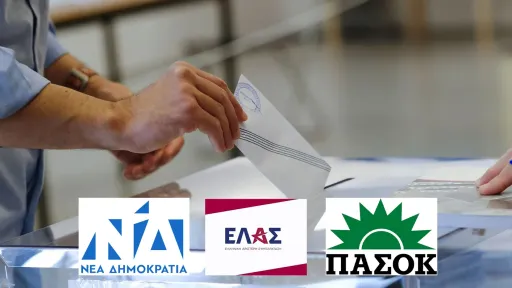
Tensions escalated further over remarks by PASOK spokesperson Kostas Tsoukalas, who stated in a recent interview that voters seeking real political change have only one viable option: PASOK.
“Those who simply want to protest have many choices. Those who want the government to fall and be replaced have only one: PASOK,” Tsoukalas said.
SYRIZA officials criticized this rhetoric as outdated and divisive, arguing that the notion of a “lost vote” undermines prospects for opposition unity. Some went further, comparing PASOK’s stance unfavorably to its past dominance under former leaders such as Costas Simitis and George Papandreou.
Calls for Accountability and Political Pressure
SYRIZA Secretary Stergios Kalpakis publicly urged PASOK to reconsider its position, calling for a unified opposition front to force government accountability.
“We are calling for the government’s resignation and early elections. A no-confidence motion is necessary to bring this issue to Parliament and send a clear signal to society,” Kalpakis said.
He added that PASOK would ultimately bear political responsibility if it refuses to support the initiative.
Meanwhile, SYRIZA parliamentary representative Nikos Pappas pointed to a previous joint no-confidence motion in March 2025—filed alongside PASOK and other opposition parties—as a precedent for cooperation.
Fragmentation Within the Opposition
The dispute highlights broader fragmentation within Greece’s opposition landscape, raising questions about the feasibility of coordinated political action against the ruling government.
As tensions escalate, the lack of unity may complicate efforts to exert parliamentary pressure and shape the country’s political trajectory ahead of future elections.