Rising cost of living drives Greek consumers towards cheaper supermarkets
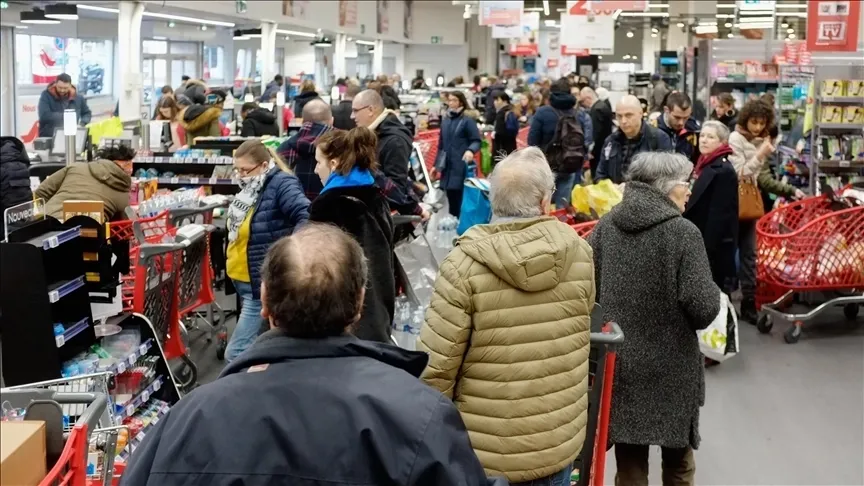
Soaring inflation and persistently high food prices are continuing to reshape consumer spending habits in Greece, with a growing number of households opting for lower-cost supermarket private-label products in an effort to manage rising living expenses.
As the cost-of-living crisis deepens, consumers are increasingly turning away from branded goods and choosing supermarket-owned alternatives, which are often significantly cheaper across a wide range of product categories.
Economists and market analysts note that sustained increases in food prices, combined with elevated energy costs and broader geopolitical pressures, continue to weigh heavily on household budgets throughout the country.
Inflation More Than Doubles in Three Months
According to data from the Hellenic Statistical Authority, annual inflation reached 5.4 percent in April, up from 3.9 percent in March, 2.7 percent in February, and 2.5 percent in January. The figures indicate that inflation has more than doubled within just three months.
Annual food inflation was recorded at 4.4 percent during the same period.
Sharp Increases in Essential Food Products
Official statistics show significant year-on-year price increases across several key food categories:
- Beef prices rose by 19.2 percent.
- Lamb and goat meat increased by 13.3 percent.
- Poultry products climbed by 4 percent.
- Fish and seafood rose by 1.9 percent.
- Dairy products and eggs increased by 3.5 percent.
- Margarine and vegetable oils surged by 11.6 percent.
- Fruit prices rose by 7.5 percent.
- Vegetables increased by 7.1 percent.
- Chocolate prices climbed by 7 percent.
- Coffee recorded a 7.9 percent increase.
European data also suggest that inflationary pressures in Greece remain above the broader European average. Annual inflation rose from 3.4 percent in March to 4.6 percent in April, while the eurozone average increased from 2.6 percent to 3 percent over the same period.
Private-Label Products Gain Ground
Faced with rising prices, consumers are increasingly choosing supermarket private-label products, which are often sold at prices 30 to 50 percent lower than comparable branded items.
Industry experts attribute the price advantage to lower marketing costs and direct supply agreements between manufacturers and retail chains.
Sales of private-label products increased by 6.9 percent during the first months of 2026, compared with a 5.4 percent increase for branded products.
Their market share also continued to expand, rising from 27.3 percent in 2025 to 27.5 percent in 2026.
According to market research firm Circana, a basket containing 60 essential household items costs approximately €146 when filled with private-label products. The same basket costs around €212 when purchased with branded alternatives.
The difference amounts to savings of roughly €56 per shopping trip, highlighting why many consumers are shifting toward lower-cost options.
Further Price Increases Expected
Representatives of the retail sector report that new price increases of up to 11 percent have already begun to appear in certain food categories in recent weeks.
Analysts warn that if fuel prices remain elevated, additional increases could affect a broad range of essential consumer goods, from food products to household cleaning supplies.
Currently, approximately one in four products sold in Greece is a private-label item. Across Europe, the figure is closer to one in two. Industry observers predict that if living costs continue to rise, the market share of private-label products in Greece will expand further in the coming years.