Greece’s tourism boom pushes national infrastructure to the breaking point

Greece’s post-pandemic tourism boom is testing the limits of the country’s infrastructure, with ports, water supply, energy networks, and waste systems on the islands nearing collapse. The Bank of Greece (NBG) warns that the country needs €35 billion in infrastructure investment by 2035 to keep up with rising demand.
Tourism Powers Growth — but at a Cost
According to the World Travel and Tourism Council (WTTC), tourism now accounts for 20% of Greece’s GDP—nearly double the EU average. While the sector has driven economic recovery, the influx of record numbers of visitors has exposed long-standing infrastructure deficiencies across both the islands and mainland regions.
The NBG’s comprehensive report highlights years of underinvestment in roads, ports, water, and energy systems, noting that the strain is no longer confined to the Aegean islands. Areas around Athens, Selanik, the Peloponnese, and Halkidiki are also reaching capacity.
Islands Under Severe Pressure
The pressure is most visible on the islands. Santorini, which welcomes about 3.5 million tourists annually—around 200 times its local population—faces seasonal breakdowns in water, energy, and waste systems. On Mykonos, that ratio climbs to 300-to-1, overwhelming local utilities and sanitation services.
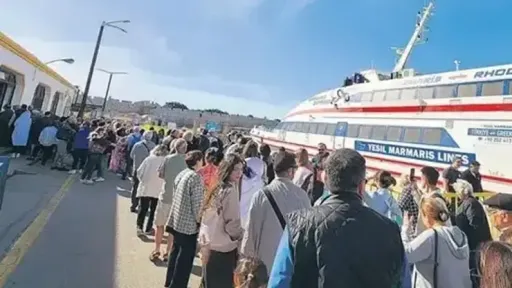
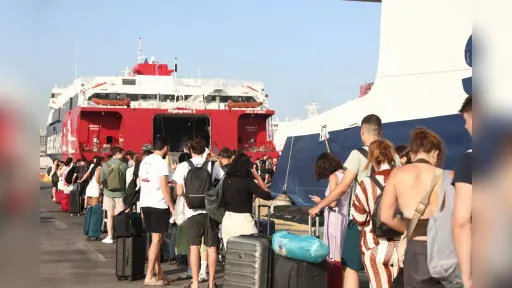
Most island ports date back to the 1960s and lack the depth and docking capacity to handle large cruise ships. Recent earthquakes on Santorini also underscored the absence of any viable mass evacuation plan in case of emergencies.
Mounting Environmental Fines
Overtourism has pushed waste management to critical levels. On Zakynthos, 530,000 tons of illegally dumped waste led the European Court of Justice to fine Greece €5.5 million, plus a €12,500 daily penalty. In 2023, sewage overflows on Mykonos revealed that the island’s systems could no longer handle peak summer loads.
Since 2014, Greece has paid €149 million in EU environmental fines.
Tourism Revenues Not Reaching Local Needs
In 2024, the government collected €420 million through climate levies, port fees, and accommodation-based tourism taxes. However, only one-third of this revenue was transferred to local administrations; the rest remained in the central budget.
The NBG report urges the government to emulate models from the Balearic Islands and Seychelles, where all tourism-related revenues are directed transparently into local infrastructure funds.
€35 Billion Investment Gap by 2035
The bank estimates that Greece requires €35 billion in total investment by 2035 to make its tourism model sustainable. Current annual infrastructure spending averages just €2 billion, leaving a €15 billion gap over the next decade.
Rapid population surges during the tourism season make urgent upgrades to water, energy, and waste facilities unavoidable.
The NBG recommends better use of EU funding, stronger private-sector incentives, and the creation of a special island infrastructure authority with independent financing and governance powers.
Shift Needed Toward Sustainable Tourism
Experts argue that Greece must pivot from a “more visitors” strategy toward a “high-value, sustainable tourism” model. Spreading visitor traffic throughout the year could reduce pressure on infrastructure while improving returns on investment.
According to the NBG’s projections, if the proposed infrastructure upgrades are implemented, tourism revenues could rise by 45% by 2035, contributing an additional €5 billion annually to the Greek economy.