Greece edges toward election mode as early vote scenarios gain traction

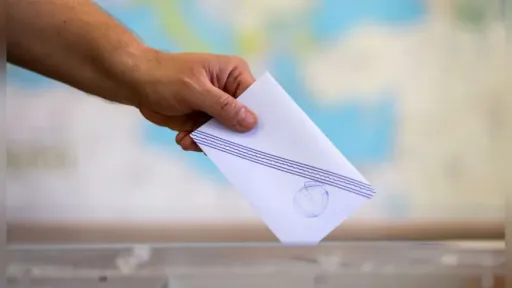
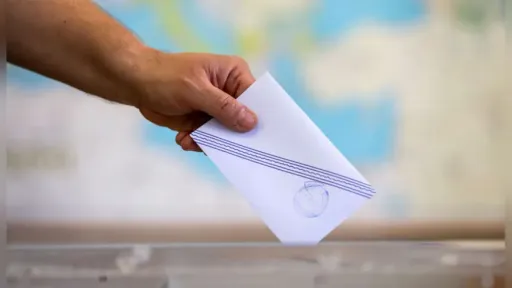
Greece’s political landscape is increasingly focused on the prospect of upcoming parliamentary elections, with debates intensifying over whether the country could head to the polls earlier than scheduled.
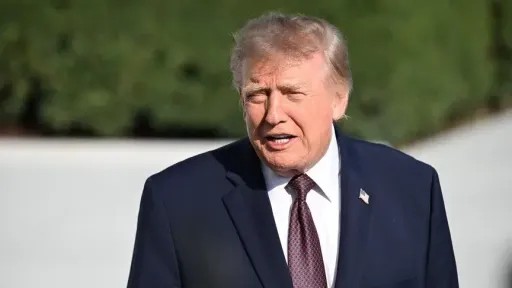
Although Prime Minister Kyriakos Mitsotakis has publicly stated that elections are expected to take place in 2027, discussions within government circles suggest that early election scenarios for 2026 remain under consideration.
Two Competing Strategies Emerge in the Government
Within the ruling New Democracy party, two distinct approaches have emerged:
- Political strategists argue that strong polling numbers create a favorable environment for early elections in 2026.
- Technocrats, however, stress the importance of adhering to the economic timetable and fulfilling obligations tied to European Union funding programs.
- A key concern is the remaining €3.8 billion in EU recovery funds, which are contingent on the successful implementation of projects and the approval of the 2027 budget.
Quiet Election Preparations Underway
Despite the absence of an official announcement, the government is reportedly quietly preparing for elections. Party leadership is expected to enforce stricter candidate selection criteria, aiming to exclude individuals facing legal investigations or ethical controversies.
The strategy centers on presenting “clean lists” to voters, with a preference for candidates who have proven electoral appeal, particularly those with experience in local government.
PASOK Intensifies Alliance Efforts
On the opposition side, PASOK is accelerating efforts to build alliances. The party is reportedly seeking closer ties with figures aligned with Alexis Haritsis following divisions within the New Left movement.
These developments are also linked to speculation surrounding a potential new center-left formation associated with former prime minister Alexis Tsipras.
PASOK leader Nikos Androulakis has reiterated that his party will not cooperate with New Democracy. However, analysts suggest that post-election coalition scenarios could reignite internal party tensions, including leadership debates.