Bulgaria’s PM resigns amid mass protests weeks before euro adoption

Bulgaria’s Prime Minister Rosen Zhelyazkov resigned Thursday after weeks of swelling anti-corruption protests, throwing the country into fresh political turmoil less than two months before its planned switch to the euro on January 1, 2026.
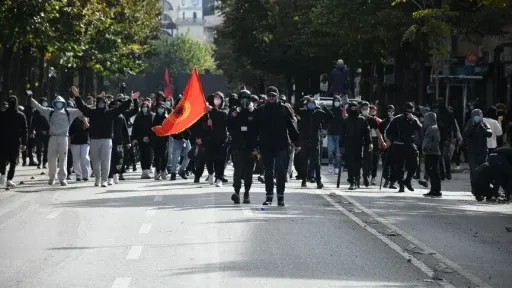
Zhelyazkov stepped down just before parliament was set to vote on a sixth no-confidence motion against his minority GERB-UDF government. His resignation followed a night of massive demonstrations in Sofia, where more than 100,000 people demanded his departure.
Budget sparks unrest
The crisis erupted after the government presented a 2026 budget drafted in euros. The plan included higher social security contributions and increased taxes on dividends, prompting criticism from opposition parties, employers, and unions who said it disproportionately affected middle- and low-income households.
Initial rallies in late November grew rapidly, driven in part by Gen Z activists mobilizing on social media. By December 1, up to 100,000 protesters filled the capital. Some clashes with police resulted in 71 arrests, and demonstrations soon spread to cities across Bulgaria and to diaspora communities abroad.
Corruption at the core
The protests tapped into deeper frustration over corruption and political stagnation. Bulgaria has held seven elections in four years, and Transparency International ranks it among the EU’s most corrupt states. Zhelyazkov’s government relied on tacit support from the Movement for Rights and Freedoms (DPS), a party long accused by opponents of shielding powerful business interests.
Next steps
Although the prime minister has stepped down, parliament remains in place. Under the constitution, President Rumen Radev must appoint a caretaker cabinet within a week, likely paving the way for new elections early next year.
Opposition parties say Bulgaria’s euro adoption remains on track despite public skepticism. But ongoing instability threatens to delay EU-funded reforms tied to recovery, green transition, and digital projects.
Radev described the unrest as a “vote of no confidence in the cabinet,” saying lawmakers must respond to what he called an unprecedented, youth-driven demand for political accountability.