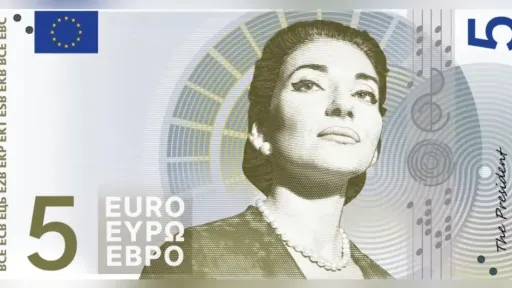
Euro turns 27 as Bulgaria joins currency bloc

The euro marked its 27th anniversary on New Year’s Day as Bulgaria officially adopted the currency, expanding the eurozone to 21 European Union member states.
Introduced on Jan. 1, 1999, the euro entered circulation in 2002 after a three-year transition period. It is now used by more than 350 million people across Europe and remains the world’s second-most-used reserve currency after the US dollar.
Bulgaria, an EU member since 2007, joined the eurozone after the European Commission, the European Central Bank (ECB) and EU finance ministers confirmed the country met the required criteria.
The eurozone’s monetary policy is overseen by the ECB, whose mandate is to maintain price stability with a medium-term inflation target of 2%.
The currency has seen wide fluctuations against the dollar since its launch, falling to $0.83 in 2000, rising to a peak of $1.60 in 2008, and trading around $1.18 in late December 2025, up about 15% over the year.
Despite its global role, the eurozone faces persistent public debt challenges. Total public debt reached €13.6 trillion, with the debt-to-GDP ratio rising to 88.2% this year. Greece remains the most indebted member, followed by Italy, France and Belgium.
All EU countries except Denmark are required to adopt the euro once criteria are met, while Hungary, Poland, Romania and Sweden continue to use their national currencies.