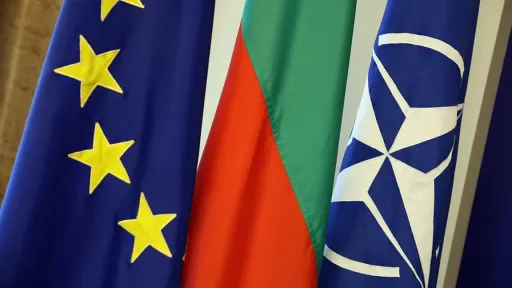
Bulgaria prepares to join Euro, promising economic benefits

Bulgaria is set to become the 21st member of the eurozone this week, marking a major milestone in the country’s European integration. Supporters say the move will strengthen the economy, boost trade, and bring greater financial stability.
While some citizens remain concerned about possible price increases, government leaders and economists stress that the benefits outweigh the risks. Joining the euro will allow Bulgaria to take part in key monetary decisions and reduce costs for businesses. The European Central Bank estimates that small and medium-sized companies alone could save around €500 million annually in currency exchange fees.
European Central Bank President Christine Lagarde has said the impact on consumer prices is expected to be modest and short-lived, while highlighting advantages such as smoother trade, lower financing costs, and more stable prices.
Tourism, a vital sector contributing about 8% of Bulgaria’s GDP, is also expected to benefit, as the euro will make the country more attractive and convenient for visitors.
Authorities have introduced stronger oversight to prevent unjustified price hikes during the transition. Despite political challenges, economists say a stable government will help Bulgaria fully unlock the opportunities of eurozone membership.
With the switch, Bulgaria takes a significant step toward deeper integration with Europe and long-term economic growth.