Russia-ukraine war: From invasion to prolonged conflict

On February 24, 2022, Russia launched a full-scale invasion of Ukraine from several directions, including Belarus, Russia and Crimea. Russian forces advanced toward Kyiv and besieged Mariupol, but Ukrainian resistance and Western military support prevented Russia from capturing the capital.
Ukraine launches counteroffensives
Later in 2022, Ukrainian forces recaptured significant areas in Kharkiv and Kherson. Russia responded by claiming the annexation of Donetsk, Luhansk, Kherson and Zaporizhzhia regions, a move rejected by Ukraine and most of the international community.
The war becomes a war of attrition
In 2023, Ukraine launched a major counteroffensive but failed to achieve a decisive breakthrough against heavily fortified Russian positions. The front gradually hardened, with intense fighting particularly in eastern and southern Ukraine.
In 2024, Russia increased its offensive operations, capturing Avdiivka and opening a new front in the Kharkiv region. Ukraine increasingly used long-range drones and missiles against Russian military and energy targets.
The conflict expands
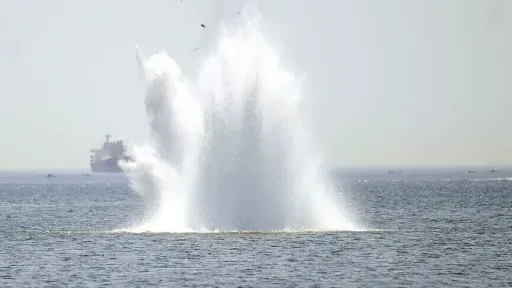
Russian missile and drone attacks continued to hit Ukrainian cities and infrastructure, while Ukraine expanded strikes against targets inside Russia. Incidents around the Black Sea and NATO territory also raised concerns about a wider regional escalation.
Diplomacy takes center stage
By 2025 and 2026, diplomatic efforts involving the United States and European countries intensified. However, major disagreements over territory, security guarantees and the future of occupied areas continued to prevent a lasting settlement.
The war today
As of August 2026, Russia controls roughly one-fifth of Ukraine’s internationally recognized territory. Fighting continues along the front, while both sides rely heavily on drones, missiles and long-range strikes.
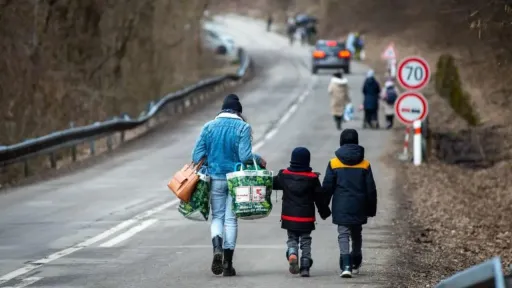
The war has displaced millions of people and caused enormous damage to Ukraine’s infrastructure. Despite repeated diplomatic efforts, no comprehensive peace agreement has been reached, and the conflict remains one of the largest and most destructive wars in Europe since the Second World War.
Russia-ukraine war: The human cost
Since Russia launched its full-scale invasion of Ukraine on February 24, 2022, the war has caused massive human losses and displacement. Exact figures remain uncertain because neither side has provided a complete and independently verified account of military casualties.
Civilian deaths: The United Nations had verified at least 16,431 civilian deaths in Ukraine by the end of June 2026. It also recorded 48,613 civilian injuries. The UN says the actual figures are likely considerably higher, particularly in areas under Russian occupation.
Military casualties: A January 2026 assessment by the Center for Strategic and International Studies estimated that Russian and Ukrainian military casualties combined had reached around 1.8 million, including killed, wounded and missing personnel.
Russian military deaths: CSIS estimated that approximately 275,000–325,000 Russian troops had been killed by the beginning of 2026. Estimates for Ukrainian military deaths vary significantly.
Ukrainians who fled the country: According to UNHCR data, around 5.7 million Ukrainians had fled abroad by mid-2025 and were registered as refugees or people seeking international protection.
People displaced inside Ukraine: Around 3.7 million Ukrainians were also internally displaced.
A war with no final toll yet
The figures continue to change as fighting persists. The UN stresses that civilian casualty figures represent only cases it has been able to verify, while military casualty estimates vary widely between sources.
Overall, the war has killed or wounded hundreds of thousands of people, displaced millions and triggered the largest refugee crisis in Europe in decades.