Trump signals Iran deal reluctance as strike options emerge

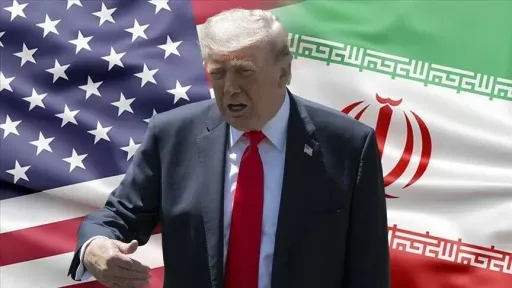
US President Donald Trump said Wednesday that he expects the war with Iran to end soon but indicated that reaching a diplomatic agreement is not his preferred option, as reports emerged that the Pentagon has been asked to prepare possible strike plans against Iranian targets.
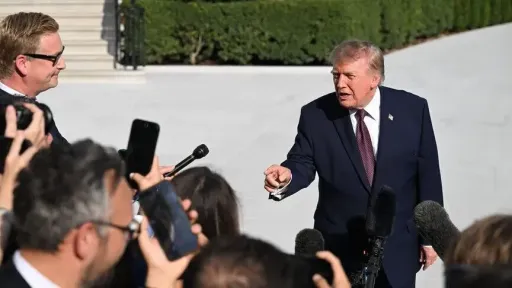
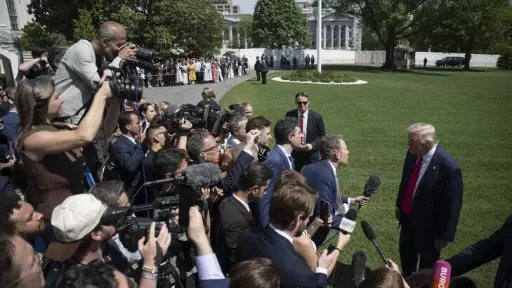
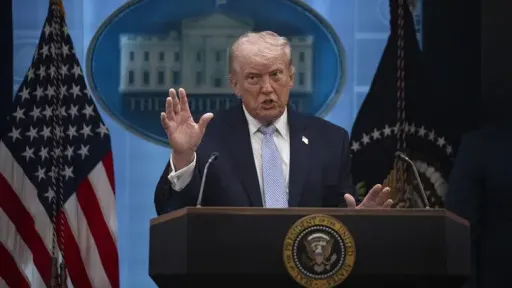
Speaking at a rally in San Antonio, Texas, Trump said his special envoy, Steve Witkoff, was making progress in negotiations with Tehran.
“He’s working on the Iran deal and doing very well,” Trump said, while adding that a deal was “not really something that I want to do.”
Trump said Iran was prepared to make major concessions to end the conflict and reiterated that Tehran would not be allowed to acquire a nuclear weapon.
“They will never have a nuclear weapon,” he said.
Trump also praised Witkoff as a strong negotiator, pointing to his role in securing a Gaza ceasefire, and said he expected the conflict with Iran to end “very soon.”
Pentagon prepares options
Trump’s comments came as US media reported that the White House has asked the Pentagon to develop options for strikes against Iranian targets that could potentially be carried out before the Nov. 3 midterm elections.
The Pentagon did not confirm the reports but said its role was to develop and present military options to the president.
The Atlantic, citing administration officials, reported that the potential targets and scale of any strikes remain under discussion and that no final decision has been made. It said some Trump advisers believe the timing would be more appropriate after the midterm elections.
Axios separately reported that the Pentagon had instructed US Central Command to complete preparations for a possible resumption of major combat operations against Iran. The report said no specific date had been set.
Trump previously said he expected an agreement with Iran after the midterm elections but warned that he faced a choice between pursuing a deal and taking more severe military action.
Tehran responds through mediators
Iran said Wednesday that it would deliver its response to US proposals through mediators, indicating that indirect diplomatic contacts remain active.
Foreign Ministry spokesman Esmaeil Baghaei said Tehran had communicated its conditions for ending the conflict and restoring security in the Gulf and the Strait of Hormuz.
He accused Washington of repeatedly violating previous commitments, including its 2018 withdrawal from the 2015 nuclear agreement, and rejected US claims that Iran had missed opportunities for diplomacy.
Baghaei said messages between Tehran and Washington were continuing to be exchanged through intermediaries.
Iran and Oman discuss Hormuz routes
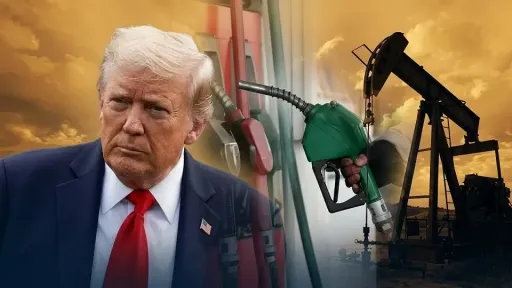
Baghaei also said Iran and Oman had made progress on arrangements to improve navigation through the Strait of Hormuz, a crucial route for global energy supplies.
The two countries have agreed on geographical coordinates for safe inbound and outbound shipping routes, he said.
They have also reached an understanding on how the arrangement will be communicated to the relevant international body, with that step expected to take place soon.
The development could provide a channel for easing one of the main disputes that has complicated implementation of a June memorandum of understanding between Washington and Tehran.
US aircraft losses mount
The diplomatic and military developments come as new figures reveal the cost of the conflict for US forces.
At least 81 US fixed-wing, rotary-wing and uncrewed aircraft have been lost or damaged since the war began on Feb. 28, according to a Congressional Research Service compilation based on Pentagon and US Central Command records, military investigations and press reports.
The losses include 45 MQ-9 Reaper drones and three MQ-1 aircraft. An MQ-4C Triton was also lost in a flight accident.
Among manned aircraft, 12 F-15E Strike Eagle fighters were affected. Three were destroyed by friendly fire over Kuwait, one was downed over Iran and eight sustained damage during an Iranian missile attack on Muwaffaq Salti Air Base in Jordan.
An F-35A Lightning II was damaged by Iranian ground fire, while two A-10 Thunderbolt II aircraft were lost or heavily damaged.
The losses also included tanker, surveillance, transport and helicopter aircraft, adding to the financial burden of the campaign.
War costs reach billions
A September Lead Inspector General report estimated that the Iran campaign had cost $33.4 billion through late June, including $3.7 billion in equipment losses.
The Congressional Budget Office separately estimated that replacing damaged or destroyed military hardware could cost as much as $3.3 billion.
The Congressional Research Service cautioned that the aircraft figures could change because of classified information, continuing combat operations and uncertainty over the attribution of some incidents.
With Washington weighing further military options and Tehran continuing indirect diplomacy, the conflict remains caught between preparations for renewed fighting and efforts to restore negotiations and security around the Strait of Hormuz.
Source:AA