Hormuz explosions reported as Iran and US exchange proposals

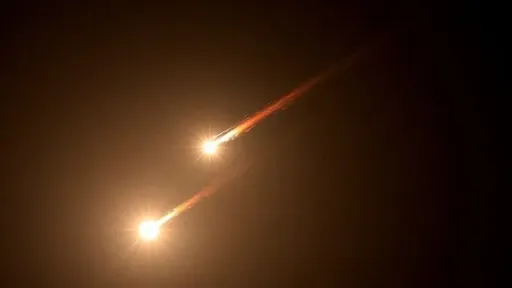
Several powerful explosions were reported in the southern passage of the Strait of Hormuz on Thursday, with Iranian state broadcaster IRIB reporting that oil tankers may have struck naval mines, as diplomatic efforts to end the war continued.
The developments came as Iranian President Masoud Pezeshkian said Tehran and Washington had exchanged new proposals aimed at ending the conflict and reopening the strategic waterway, while US President Donald Trump pledged not to attack Iran before the November 3 midterm elections.
Tankers may have struck naval mines
IRIB, citing Iranian military sources, reported that the explosions occurred in the southern passage of the Strait of Hormuz. The sources said oil tankers using routes deemed “unauthorized” by Tehran may have hit mines deployed in the area.
The report provided no details on the number or identities of the vessels, possible casualties or the extent of any damage.
The incident comes amid heightened tensions over navigation through the strait, a critical route for global energy supplies. Iran has warned vessels against using routes it has not authorized.
Iran and US exchange proposals
Pezeshkian said Iran would remain committed to negotiations despite repeated attacks during previous rounds of dialogue.
“We are in talks, but every time we talk with the US, they attack again. However, we will not walk away from the negotiating table and dialogue,” he said, according to the Iranian Students’ News Agency.
The Iranian president said Tehran had submitted proposals and Washington had responded with new ones. Iran had revised its position, he added, with the sides expected to bring their proposals together through existing intermediaries once the texts were finalized.
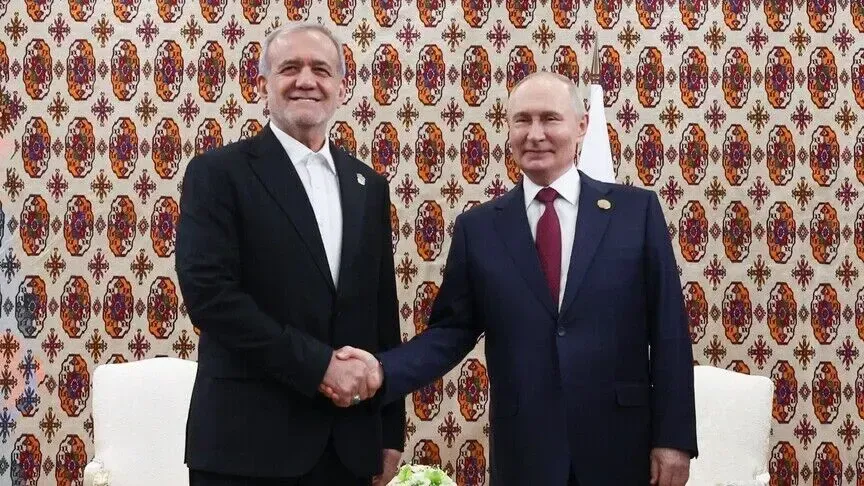
Pezeshkian made the remarks during a meeting with Russian President Vladimir Putin in Turkmenistan on Thursday, held on the sidelines of regional summits.
The two leaders discussed expanding cooperation in energy, agriculture, transportation and trade, as well as accelerating joint projects. Pezeshkian thanked Moscow for its support on regional issues and at the United Nations.
Putin has expressed readiness to support diplomatic efforts to resolve the conflict, while previously describing the ceasefire between Iran and the US as fragile.
Trump rules out attacks before elections
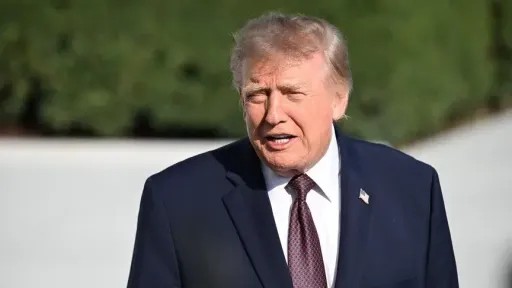
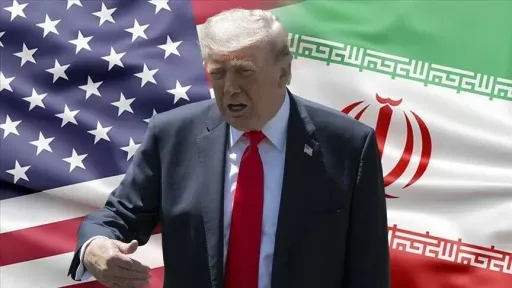
Trump said the United States would not attack Iran before the November 3 midterm elections, citing what he described as productive discussions between the two countries.
“We are having productive discussions with the Islamic Republic of Iran,” Trump wrote on his Truth Social platform, adding that the US blockade of Iran would remain in full force.
He also claimed that 22 million barrels of oil had passed through the Strait of Hormuz on Wednesday, with none originating from or destined for Iran.
Trump reiterated that Iran would not be allowed to acquire a nuclear weapon. His comments followed media reports that the White House had asked the Pentagon to prepare options for possible strikes against Iranian targets before the elections.
The US and Israel launched their war against Iran on February 28, triggering Iranian missile and drone attacks across the region and severely disrupting traffic through the strait.
A memorandum of understanding reached in June following mediation by Pakistan and Qatar was intended to halt hostilities and pave the way for negotiations. Implementation has since stalled over disagreements, including security arrangements and navigation through the waterway.
Tehran rejects nuclear concessions
Despite the diplomatic contacts, Iran ruled out abandoning uranium enrichment or transferring its enriched uranium stockpile.
Mohammad Eslami, head of the Atomic Energy Organization of Iran, said Thursday that enrichment was fundamental to the country's nuclear industry.
“Under no circumstances,” Eslami said when asked whether Tehran could abandon the process.
He also rejected the possibility of handing over Iran's enriched uranium stockpile, while maintaining that the country's nuclear programme was peaceful and that enrichment was its legitimate right under the Nuclear Non-Proliferation Treaty.
Eslami said inspections by the International Atomic Energy Agency (IAEA) at facilities damaged in US-Israeli attacks remained impossible because of continuing security threats.
“As long as security is not established, naturally, their entry is not possible,” he said.
He added that inspectors had visited facilities not targeted in the attacks and conducted routine inspections under arrangements made by Tehran.
The dispute over access to damaged nuclear sites and verification of Iran's enriched uranium stockpile remains a major obstacle to resolving the wider conflict.
The IAEA has said restricted access prevents it from verifying the status and whereabouts of the stockpile. Iran, meanwhile, maintains that security guarantees must be in place before inspectors can enter damaged facilities.
Regional tensions persist despite diplomatic contacts
The reported explosions in the Strait of Hormuz underscore the risks facing maritime traffic as negotiations continue without a comprehensive settlement.
While Tehran and Washington have exchanged proposals and Moscow has offered diplomatic support, disagreements over the nuclear programme, sanctions, security and control of maritime routes remain unresolved.
The latest developments leave the prospect of a broader agreement uncertain, with the safety of shipping through one of the world's most important energy corridors still a central concern.
Source:AA