Livestock farmers in Rhodope seek ELGA contribution exemption after sheep and goat pox outbreak
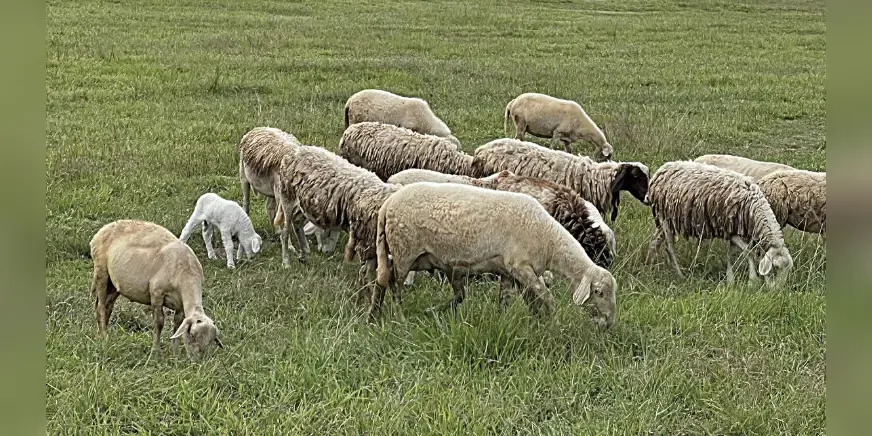
Livestock farmers in Greece’s Rhodope (Rodopi) region are calling for a full exemption from agricultural insurance contributions for 2025 after losing their animals to sheep and goat pox, arguing that compulsory culling has left many farms without livestock, production or income.
The Rhodope Livestock Farmers’ Association has submitted a request to Greece’s Ministry of Rural Development and Food, with a copy to the Hellenic Agricultural Insurance Organisation (ELGA), urging authorities to relieve affected producers of their contribution obligations.
According to a report by Paratiritis News, the association says the demand for payment places an additional financial burden on farmers who have already suffered severe losses as a result of measures imposed to contain the disease.
COMPULSORY CULLING LEFT FARMS WITHOUT INCOME
During 2025, livestock holdings across Rhodope suffered serious economic consequences from the spread of sheep and goat pox. Farmers were required to cull their animals in accordance with disease-control measures, leaving affected businesses without their livestock and effectively halting production.
The association argues that farmers faced circumstances beyond their control and should not be treated as though they had continued operating normally throughout the year.
With their productive assets gone, many producers have struggled to meet basic farm expenses and lack the resources needed to rebuild their herds and resume operations.
CALL FOR FULL EXEMPTION AND LEGISLATIVE ACTION
The association is asking the ministry and ELGA to exempt affected farmers fully from their 2025 insurance contributions, taking into account the compulsory destruction of their livestock and the resulting interruption of production.
It is also calling for a legislative amendment if the existing legal framework does not allow such an exemption. The association says exceptional circumstances caused by the outbreak require a corresponding policy response.
FARMERS DEMAND A FORMAL RESPONSE
In its letter, the association questions why producers should be required to pay contributions for a period in which they were deprived of their livestock and their ability to generate income.
“People who were forced to lose their livestock and were deprived of the ability to produce cannot be treated as though they had carried out their farming activity normally throughout the year, without examining the actual circumstances of each holding,” the association said, according to the report.
The group is calling on the relevant authorities to examine the request promptly, provide a written response and take concrete measures to ease the financial pressure on affected farmers.
The outcome could have significant implications for livestock producers seeking to rebuild their operations following the outbreak, as they continue to face the costs associated with restarting production.