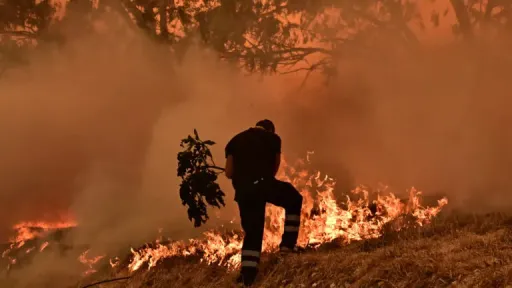
923 firefighters deployed for wildfire season in Eastern Macedonia–Thrace

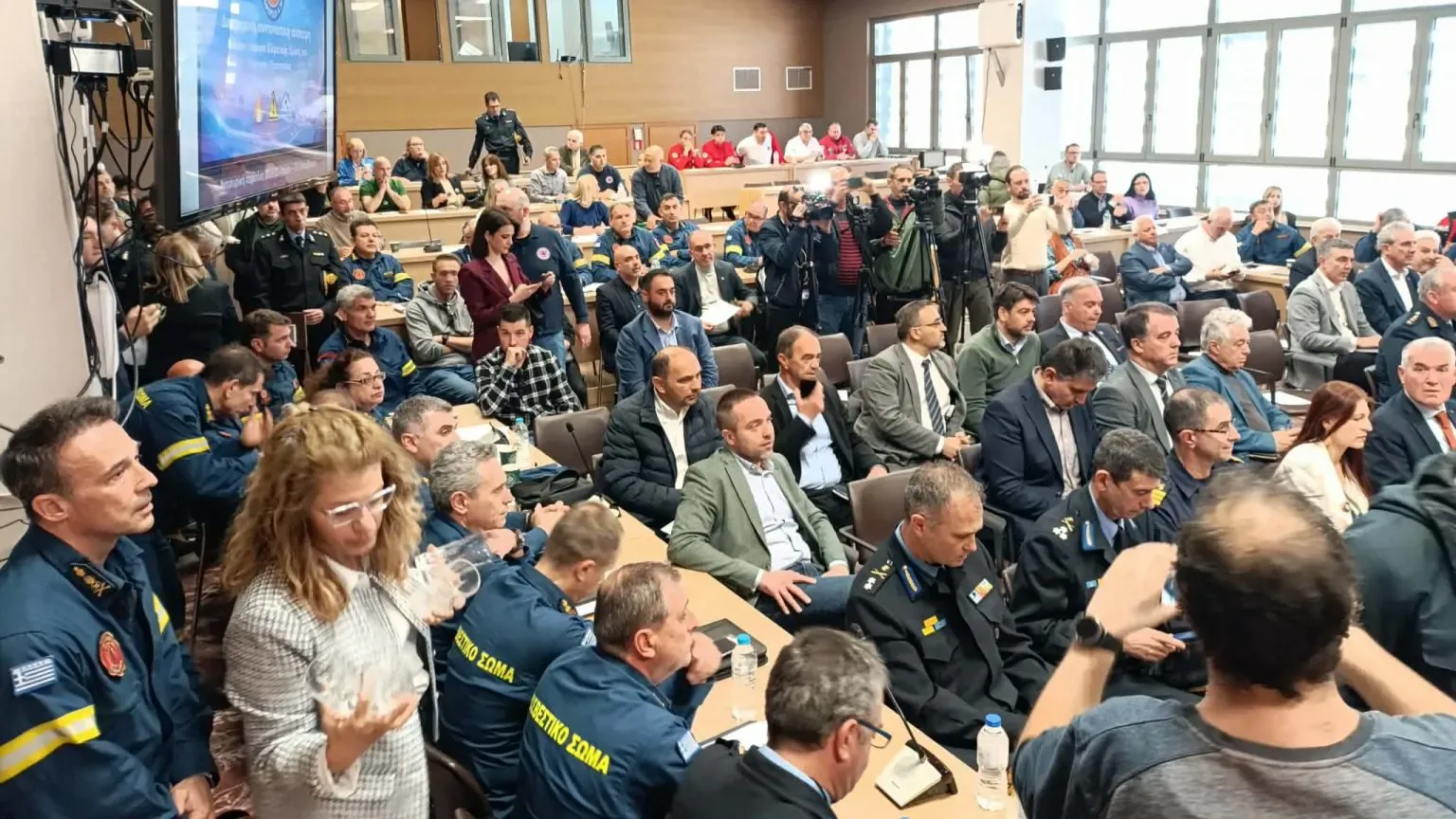
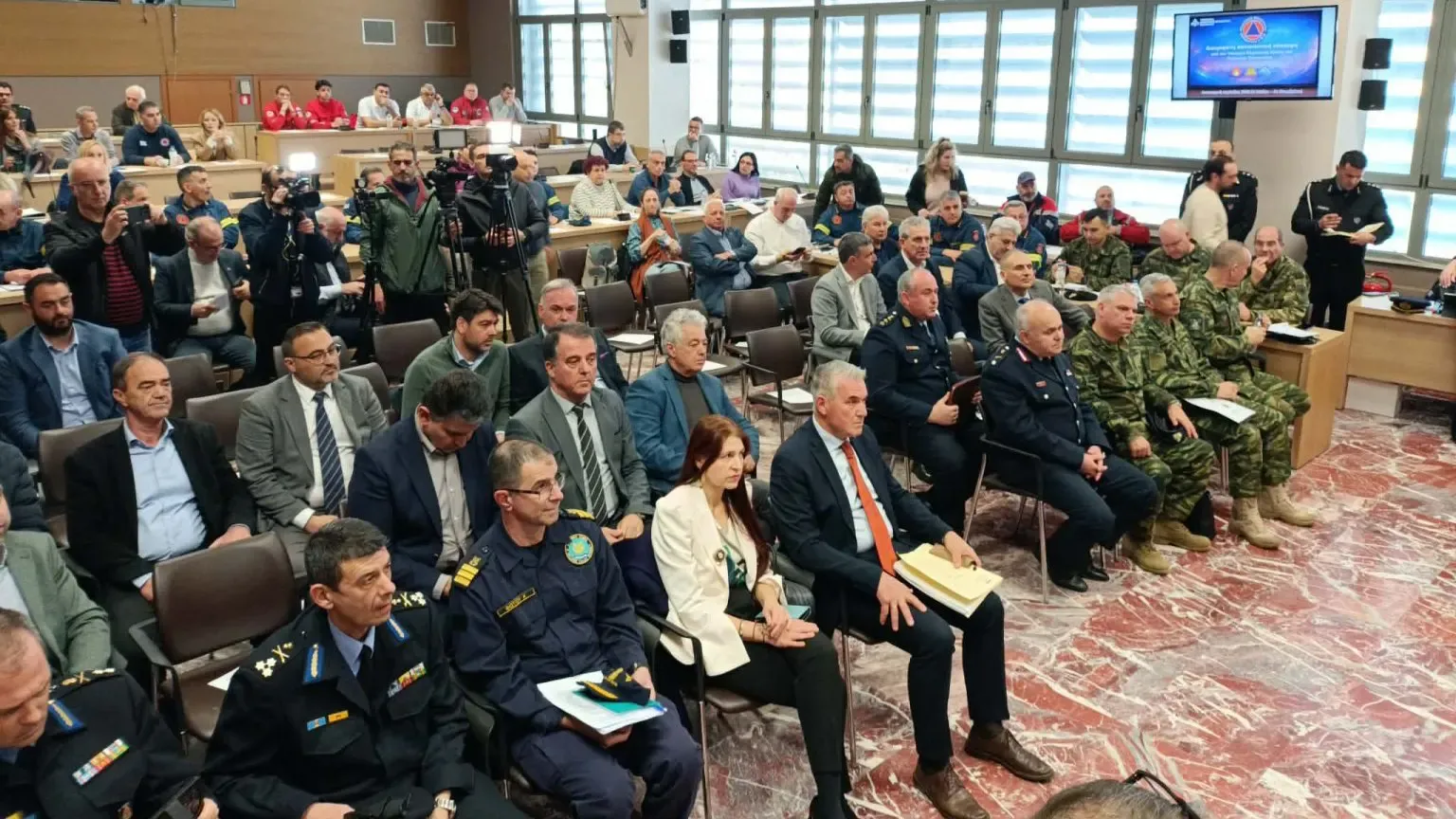
In Eastern Macedonia and Thrace, authorities are preparing for the upcoming wildfire season (May 1 – October 31) with increased resources and a strong focus on prevention and coordination. Speaking in Gümülcine (Komotini), Civil Protection Minister Giannis Kefalogiannis stressed that the outcome of a fire season depends not only on emergency response, but largely on preparedness, planning, and cooperation among all involved agencies.
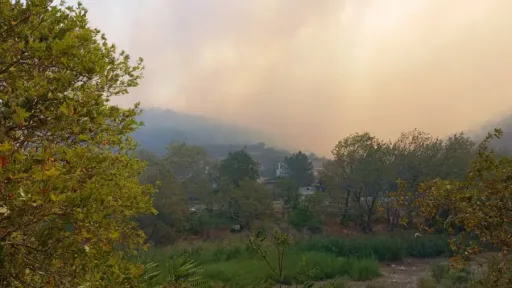
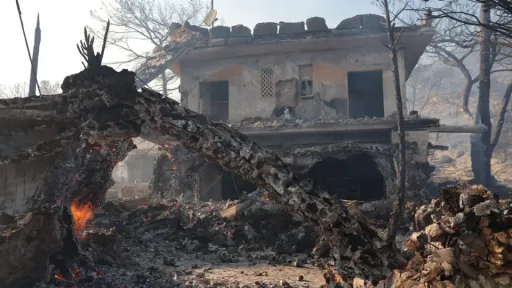
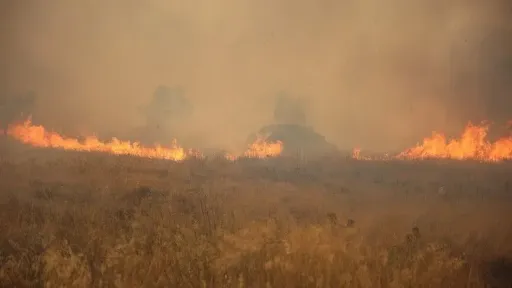
The region is considered particularly vulnerable to wildfires due to its mix of forests, agricultural land, grasslands, and significant human activity. Although 2025 saw a sharp rise in the number of fires compared to previous years, the total burned area dropped significantly—by about 75%—highlighting the importance of early intervention and improved management.
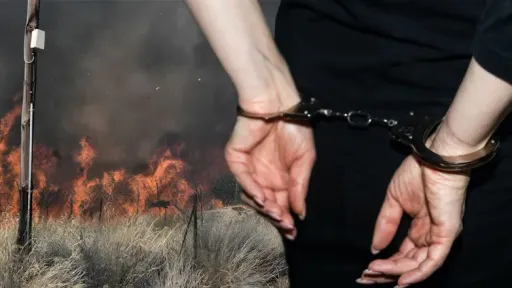
Data show that most fires do not start inside forests but in agricultural and grassland areas, often where human activity is intense. In fact, around 73% of the burned land last year fell into these categories. Authorities also note that the vast majority of fires are caused by human negligence, such as burning crop residues or improper use of machinery, with open flames responsible for roughly 66% of incidents.
Key goals for this year include reducing the number of fire outbreaks, ensuring rapid response to prevent small fires from spreading, protecting forest ecosystems, and strengthening coordination among services. Prevention measures will play a central role, including clearing vegetation from private plots and public spaces, addressing illegal waste dumping, and promoting safer agricultural practices.
Authorities are also prioritizing improvements to firefighting infrastructure, such as maintaining forest road networks, increasing water storage points, and ensuring access to remote areas. Surveillance and early detection will be enhanced through patrols, watchtowers, and the use of modern technology like drones.
Special attention is being given to high-risk and environmentally sensitive areas, as well as large facilities such as the Democritus University of Thrace campus in Gümülcine (Komotini), which requires systematic vegetation management due to its size and surrounding forested land.
Officials emphasized that effective wildfire response depends on close cooperation between the fire service, armed forces, police, coast guard, emergency medical services, and local authorities.
This year, firefighting efforts in the region will involve 923 firefighters, hundreds of volunteers, seven PZL aircraft, and 11 drones, significantly boosting operational readiness.
Source-Photo:ERT