Tsipras accelerates plans for new left-wing party amid political pressure in Greece

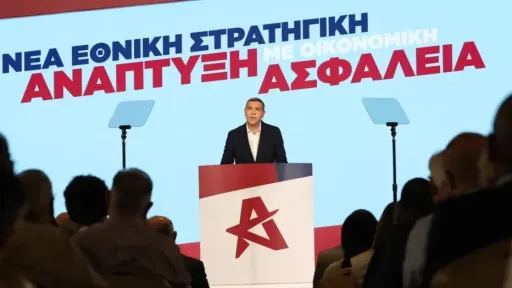
According to sources close to the initiative, daily high-level meetings are now underway to finalize the party’s program, founding declaration, and candidate lists—suggesting preparations are being made as if elections could be imminent.
Political Developments Speed Up Timeline
Tsipras had previously indicated that the new political formation could be launched as early as September. However, recent political developments appear to have fast-tracked the timeline.
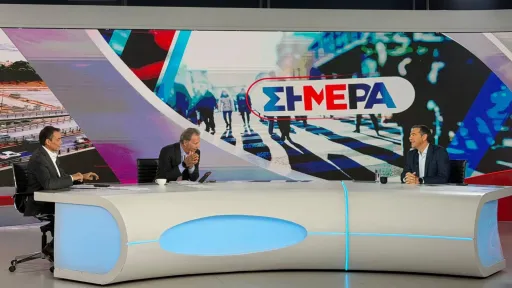
“The situation is evolving faster than expected,” Tsipras said in a recent interview, hinting that early elections remain a possibility.
Strategic Focus on a Broad Left Coalition
The new political project is expected to position itself as a unifying force within the broader left, aiming to bring together elements of social democracy, political ecology, and the radical democratic left.
Sources describe the initiative as a “governing left” movement—focused not on protest politics but on achieving tangible political change.
Core Team and Policy Development
A core team of approximately 20 advisors is reportedly working on key aspects of the project, including policy priorities and organizational structure.
Among those involved are prominent figures such as Michalis Kalogirou, Giorgos Vasileiadis, and Kostas Gavroglou.
The drafting of the party’s final program and the prioritization of its political agenda are currently the main focus areas.
Debate Over Structure: Party or Electoral Platform?
One of the key unresolved questions is whether the initiative will take the form of a traditional political party or a more flexible electoral alliance.
A full party structure would require formal statutes and organizational frameworks, while an electoral list would demand a nationwide slate of approximately 420 candidates.
Outreach and Public Engagement
Parallel to internal preparations, policy discussions are being expanded through public engagement initiatives organized by the Tsipras Institute, aiming to gather input from local communities across Greece.
Key policy themes include education, healthcare, housing, technological innovation, and taxation of wealth.
Political Context and Rising Tensions
The move comes amid increasing political tensions in Greece, with opposition figures accusing the government of being embroiled in scandals, including allegations linked to surveillance practices.
While no official election date has been announced, analysts suggest that the coming months could prove decisive for Greece’s political future.