Opposition parties attacks Mitsotakis economic package
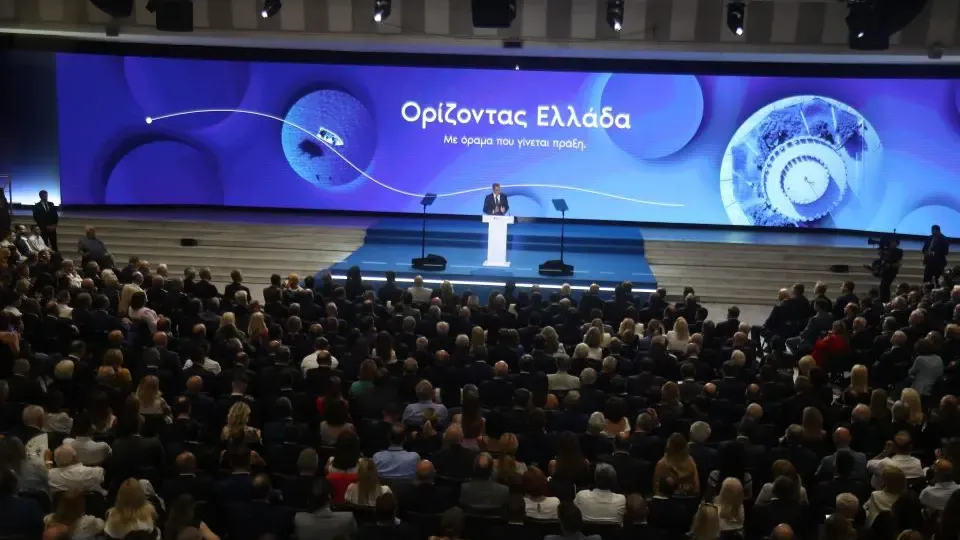
Opposition parties have sharply criticized Prime Minister Kyriakos Mitsotakis’ economic measures announced at the Thessaloniki International Fair, accusing the government of failing to provide sufficient relief to households while sidestepping persistent problems over prices, taxation and market competition.
The criticism came as Mitsotakis sought to strengthen his political position ahead of a prolonged pre-election period, presenting a New Democracy majority as the most reliable path to political stability and warning voters against using the next election simply to send a protest message.
Opposition targets economic measures
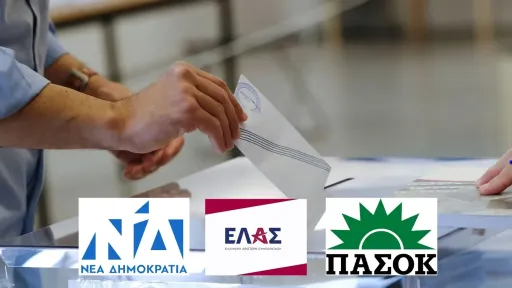
PASOK spokesperson Kostas Tsoukalas said Mitsotakis had lost touch with the political center and accused the government of failing to tackle oligopolies, high prices and what he described as excessive taxation.
Tsoukalas also criticized the government’s record on purchasing power, economic growth and agriculture, questioning its claim that Greece had achieved significant economic progress.
He also challenged the government’s estimate that the measures announced at TIF would cost €2.2 billion.
ELAS, led by former Prime Minister Alexis Tsipras and currently second in opinion polls, also rejected the package, arguing that several measures would not go far enough to improve living standards.
The party criticized the planned €1,000 minimum wage from 2028 and called for stronger collective bargaining and labor inspections. It also questioned planned pension increases and a €400 allowance, arguing that more than 300,000 pensioners would not benefit.
Opposition takes stage at TIF
The economic dispute will continue throughout the week as opposition leaders present their alternative policies at the Thessaloniki International Fair.
Tsipras is scheduled to hold a news conference in Thessaloniki on Wednesday after presenting his political program last week.
PASOK leader Nikos Androulakis will present his party’s program on Saturday, followed by a news conference on Sunday.
Mitsotakis warns against instability
Mitsotakis used his appearance at the 90th TIF to frame political stability as a central issue ahead of the next election.
He argued that there was currently no realistic prospect of a coalition government and said voters should consider the consequences of an inconclusive result.
“Today there is no visible possibility of a coalition government on the horizon,” Mitsotakis said, attributing the situation to opposition parties that have ruled out cooperation with New Democracy.
He also warned voters against treating election day as an opportunity to send a protest message.
“There will be citizens who may see Election Day as an opportunity to send a ‘message of protest,’” he said, warning that such a vote could leave the country without a government capable of receiving that message.
Mitsotakis rejected speculation about a government formed by parties that finished behind New Democracy, insisting that the first party should form the government with its leader serving as prime minister.
The prime minister also argued that a caretaker government would not necessarily be appropriate given what he described as a difficult international environment.
Former premiers in the firing line
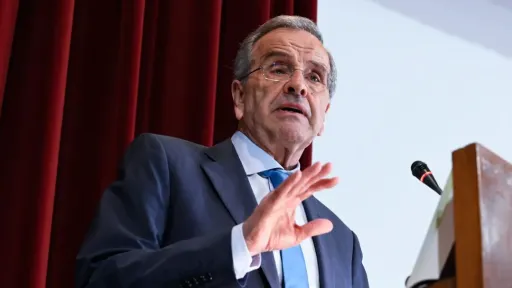
Mitsotakis simultaneously intensified his attacks on former prime ministers Antonis Samaras and Tsipras, signaling a campaign strategy focused on contrasting New Democracy with previous governments and rival political forces.
He accused Samaras of having particular expertise in damaging New Democracy, reviving tensions with the former prime minister.
He was equally critical of Tsipras, dismissing his economic proposals as irresponsible and lacking credible financing.
Mitsotakis also contrasted Tsipras’ current political promises with the situation in 2014, arguing that what could once have been described as an “illusion” should now be viewed more harshly.
Government watches polling
The government is closely monitoring early opinion polls following the TIF announcements as it assesses whether the economic package can translate into greater electoral support.
Government officials are reportedly hoping for an increase of around one percentage point in support by the end of the week, which they view as a potential foundation for securing a parliamentary majority.
The response from voters to the economic measures, however, is likely to depend on whether households see the package as meaningful relief amid continuing concerns over the cost of living, taxation and purchasing power.
Source:Kathimerini