New school subject to be introduced from 2026

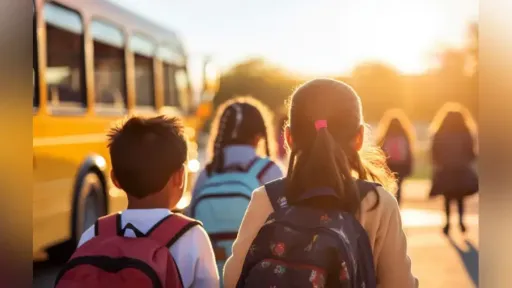
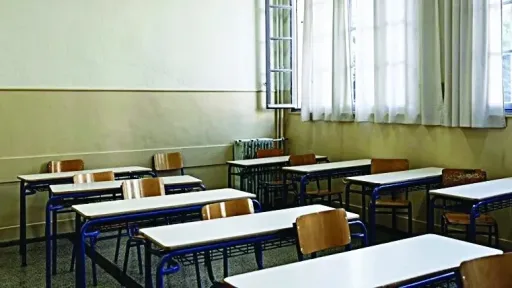
Secondary school students returning to classrooms after the Christmas holidays will face a notable change, as a new subject will be introduced on a pilot basis in 35 schools nationwide, aiming to help young people learn how to identify fake news.
The educational program, titled “News Literacy for Youth: Navigating the World of Information and Digital Media,” will initially be implemented in 35 lower and upper secondary schools across the country. It is addressed to Gymnasium and Lyceum students and aims to equip them with the skills needed to recognize false news, assess the credibility of information sources, and use digital media and artificial intelligence responsibly.
Interdisciplinary and Hands-On Approach
The course will be taught in an interdisciplinary format, linking it with subjects such as History, Language, and Sociology. Students will not be limited to theoretical instruction but will actively participate in experiential learning activities, taking on roles such as reporters, editors, and digital content creators through assignments and group projects.
Focus on Digital Literacy and Journalism
The program includes interactive workshops on:
- Identifying and combating fake news
- Critical use of artificial intelligence in news and information
- Personal data protection and digital security
- Media ethics and the role of journalism
Particular emphasis is placed on the production of articles, podcasts, videos, and digital campaigns, allowing students to understand in practice how information is produced, verified, and disseminated.
Possible Nationwide Expansion
Depending on the outcomes of the pilot phase, the Ministry of Education will consider expanding the course to more schools in the coming years. The Ministry describes the initiative as an innovative program designed to prepare students as future citizens who can actively participate in public discourse, protect their rights, and help build a democracy resilient to disinformation.
Education Minister Sofia Zacharaki, commenting on the initiative, emphasized that “in an era where artificial intelligence and the internet generate and circulate vast amounts of data, children’s ability to distinguish truth from misinformation is more important than ever. We can stand alongside students by strengthening their relationship with reading, democracy, and investigative journalism, so that they become the most demanding fact-checkers of the reality surrounding them.”