Greece steps up West Nile virus measures

The virus has been detected in nine European countries. Experts say outbreaks are influenced by several factors, including high temperatures, rainfall and the populations of wild birds and mosquitoes that play a key role in transmission.
Most infections cause no symptoms
Around 80% of people infected with West Nile virus develop no symptoms, according to health experts. About 20% experience mild symptoms such as fever, headache and muscle pain.
In roughly 1% of infections, however, the virus can cause serious neurological complications, including encephalitis and meningitis.
Confusion, fainting, seizures and paralysis are among the warning signs requiring immediate medical assessment.
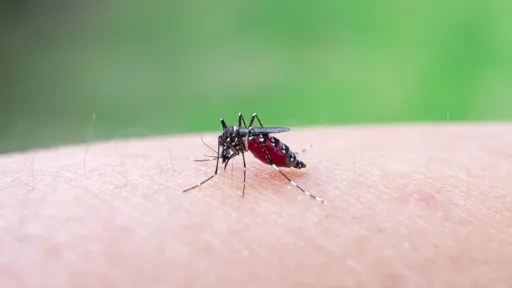
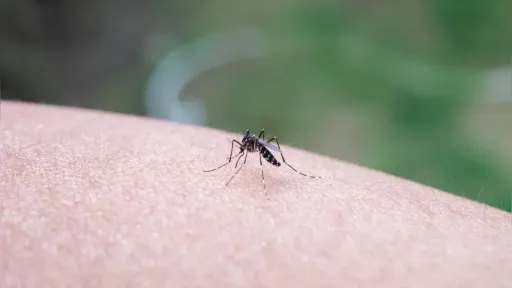
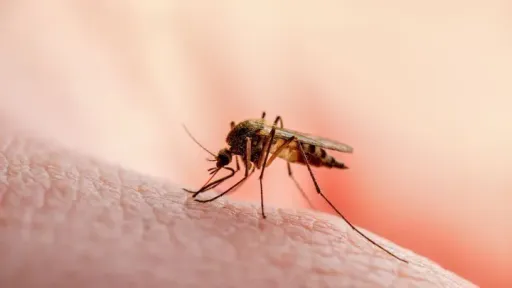
The virus is not transmitted directly from person to person. It is primarily spread through the bite of an infected mosquito. There is currently no specific antiviral treatment or human vaccine, with serious cases treated mainly through supportive and symptomatic care.
Municipalities intensify mosquito control
Authorities in Greece have stepped up mosquito-control operations, particularly in parts of eastern Attica where several areas have recorded confirmed cases involving the central nervous system.
Municipal teams in Agia Paraskevi are carrying out extensive spraying in drains and public spaces, while Kifisia is using larvicidal treatments in stagnant water with biological products considered safe for people, animals and the environment.
The measures target mosquito larvae before they develop into adults.
Smart traps tested in Sofullu (Soufli)
Innovative mosquito-control methods are also being tested in Soufli, where smart traps are designed to attract female mosquitoes using heat and specific scents.
The aim is to reduce mosquito populations and, consequently, the risk of mosquito-borne disease transmission.
Experts expect mosquito activity to remain elevated until at least the end of September. Greece’s National Public Health Organization has strengthened epidemiological and entomological surveillance in cooperation with universities and research centers.
Two deaths and 22 cases in Thessaly
Thessaly has recorded 22 West Nile virus cases so far this year, including two deaths involving elderly patients in Larissa and Karditsa, according to regional health authorities and data from the National Public Health Organization.
Of the 22 cases, 17 were recorded in the Larissa regional unit, four in Karditsa and one in Trikala. No cases have been reported in the Magnesia regional unit.
Thirteen of the 17 cases in Larissa were recorded in the municipality of Larissa.
Authorities said the pattern of infections is similar to that seen in the region last year.
Spraying operations continue
Thessaly has been carrying out mosquito-control operations since spring, with measures scheduled to continue through November in areas where mosquito populations are traditionally high.
Spraying is also carried out in irrigation canals and areas with dense vegetation, with drones used where appropriate.
Targeted ultra-low-volume spraying is conducted in areas where West Nile virus cases are identified. Under the National Public Health Organization’s management protocol, these interventions are carried out at night.
Residents urged to remove stagnant water
Health authorities are also urging residents to take personal precautions, including using mosquito repellents and reducing mosquito breeding sites around homes.
Residents are advised to remove stagnant water from flowerpot saucers, containers and air-conditioning units, as even small amounts can provide breeding grounds for mosquitoes.
Authorities also recommend changing water frequently in containers used by domestic animals and avoiding unnecessary water accumulation around homes.
The measures come as mosquito activity typically increases from the second half of August through mid-September, keeping health authorities on heightened alert across Greece.