West Nile virus spreads across Europe

West Nile virus infections continue to rise in parts of Europe, with Greece and the Netherlands reporting new cases and deaths despite the arrival of autumn.
Greece has recorded 423 West Nile virus cases and 41 deaths since the beginning of the year through October 1, 2026. The latest weekly update reported 27 new cases and five additional deaths.
According to the weekly report of the National Public Health Organization, most of those who died were elderly. Their ages ranged from 61 to 92, with most over the age of 75 and an average age of 83.
A total of 271 patients developed severe disease involving the central nervous system, including encephalitis, meningitis and acute flaccid paralysis. The youngest patient with severe neurological symptoms was seven years old.
Fifty-two patients remain hospitalized, including 16 in intensive care and 36 in regular wards. So far, 295 patients have recovered and been discharged.
Cases reported in 87 municipalities
West Nile virus infections have been recorded in 87 municipalities across Greece, including 43 in the Attica region.
Areas currently considered at higher risk include Nea Smyrni and Palaio Faliro in the southern Athens sector, Nea Filadelfia-Nea Halkidona and Dafni-Ymittos in central Athens, and Nikaia-Agios Ioannis Rentis in the Piraeus regional unit.
Other high-risk areas include Mouzaki in Karditsa, Farkadona in Trikala, Amphipoli and Emmanouil Pappas in Serres, as well as Neapoli-Sykies, Pavlos Melas, Oraiokastro and Pylaia-Hortiatis in the Thessaloniki metropolitan area.
The list also includes Pydna-Kolindros in Pieria, Corinth in Corinthia, Arriana in Rodopi, Hersonissos in Heraklion and Tinos.
True infection numbers may be higher
Most West Nile virus infections cause no symptoms. As a result, reported cases are likely to represent only a portion of the total number of infections.
Of the 423 confirmed cases in Greece, 34 patients did not require hospitalization, while the majority required hospital treatment.
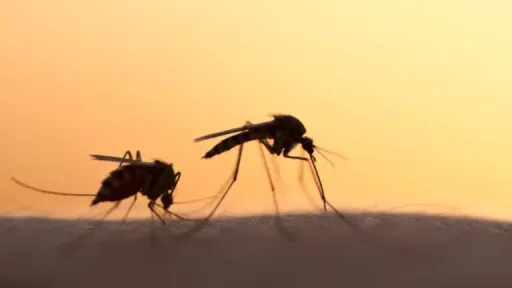
The virus is primarily transmitted through the bites of infected Culex mosquitoes. Severe neurological disease occurs in only a small proportion of infected people, but can result in serious complications.
Netherlands reports nine deaths
The Netherlands has also recorded a sharp increase in West Nile virus cases this year.
The Dutch National Institute for Public Health and the Environment said the number of deaths had risen to nine, while total confirmed cases reached 56.
Since the institute’s September 24 update, 12 additional infections and four more deaths have been reported.
Thirty-two cases were recorded in South Holland, 12 in Utrecht, five in North Holland, four in North Brabant, two in Gelderland and one in Overijssel.
Virus detected in horses and birds
The virus has also been detected in animals in the Netherlands. During the past week, infections were identified in 14 additional horses and seven birds.
The number of infected horses recorded this year has now reached 150, while 178 birds have tested positive.
No human vaccine available
There is currently no widely available human vaccine against West Nile virus. Protection against mosquito bites remains the main way to reduce the risk of infection.
The incubation period is generally two to 14 days, although it can extend to 21 days in people with weakened immune systems.
About 80 percent of infected people develop no symptoms. Around 20 percent may experience fever, fatigue, nausea, vomiting, headaches and muscle pain, while a smaller proportion can develop severe neurological disease.
Virus continues to expand in Europe
West Nile virus, historically associated mainly with Africa, has spread to several parts of Europe, including France, Italy, Spain and Portugal. Germany has reported outbreaks annually since 2019.
The virus was first detected in the Netherlands in 2020. Since then, infections have been identified in mosquitoes, wild birds, horses and a limited number of people.
Source:AA