UN raises human rights concerns over proposed Rwanda return hub

The United Nations human rights chief has expressed concern over plans by five European countries to establish a migrant return hub in Rwanda, warning of potential human rights risks associated with transferring people to a country with which they have no genuine connection.
Speaking at a UN briefing in Geneva on Tuesday, spokesperson Marta Hurtado said High Commissioner for Human Rights Volker Türk was concerned about the implications of the proposed arrangement.
Although the UN office had not yet received the full text of the proposal, Hurtado said the planned transfers raised serious questions, particularly given Rwanda's own human rights challenges.
“While we are not privy to the text of the proposal itself, the High Commissioner is concerned about the human rights risks raised by this proposed transfer of people from five European countries to Rwanda,” she said.
Asked whether the UN would monitor safeguards and what accountability mechanisms might be required, Hurtado said a more detailed response would be issued shortly.
Five countries target first transfers by 2027
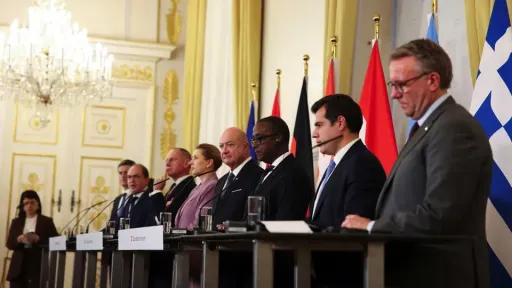
The concerns follow Monday's announcement by Austria, Denmark, Germany, Greece and the Netherlands that they are jointly exploring the establishment of a return hub in Rwanda.
The five governments aim to reach an agreement and begin the first transfers by 2027.
Under the proposed arrangement, the hub would accommodate migrants who have no legal right to remain in the participating countries and are subject to enforceable return or removal decisions.
The governments said the initiative would comply with European Union, Rwandan and international law, including international human rights obligations.
Migrants transferred under the proposed system would have the opportunity to integrate into Rwandan society or voluntarily travel to their countries of origin or another country where they have the legal right to reside.
Non-refoulement principle raises legal questions
The proposal has raised questions about compliance with the principle of non-refoulement, a fundamental protection under international refugee and human rights law that prohibits transferring individuals to countries where they risk persecution, torture or other prohibited treatment.
Other concerns include access to legal remedies, independent monitoring and accountability for potential human rights violations after migrants arrive in Rwanda.
IOM sets conditions for possible involvement
The International Organization for Migration (IOM) said in a separate statement Monday that it could provide operational assistance at Rwanda's request, provided its mandate and international standards were respected.
However, the organisation stressed that it would not participate in forced removals, detention, law enforcement or security operations.
Any assistance would begin only after migrants had arrived in Rwanda.
Meanwhile, UN High Commissioner for Refugees Barham Salih, who attended the meeting in Vienna, stressed the importance of fair asylum procedures, humane returns and compliance with international refugee and human rights law.
The UN refugee agency said it had agreed to provide advice to help ensure that these standards were upheld.
Previous UK-Rwanda scheme ruled unlawful
The proposed European initiative has also drawn attention to Rwanda's previous agreement with the United Kingdom to receive asylum seekers under a controversial migration scheme.
In November 2023, the UK's Supreme Court ruled that the arrangement was unlawful, citing substantial grounds for believing there was a real risk that asylum seekers could be returned to countries where they faced persecution.
The judges pointed to deficiencies in Rwanda's asylum procedures and the risk of refoulement.
Although the proposed European arrangement differs from the British scheme, which involved transferring asylum seekers abroad for their claims to be processed, the new initiative will still face scrutiny over the safety of transfers and the human rights protections available to migrants after their arrival.
Source:AA