West Nile virus: 290 cases and 24 deaths

A total of 290 locally acquired cases of West Nile virus infection have been recorded in Greece since the start of the 2026 surveillance period, according to data from the National Public Health Organization (EODY) through Sept. 2.
Of the total, 199 patients developed symptoms affecting the central nervous system, including encephalitis, meningitis or acute flaccid paralysis. Another 91 cases involved mild symptoms or no central nervous system manifestations.
A total of 58 new locally acquired cases were reported over the past week.
Twenty-four patients have died after contracting the virus during the current transmission season. All were aged over 65.
Cases recorded across 69 municipalities
Human cases have been detected in 69 municipalities across 20 regional units in Attica, Thessaly, Central Macedonia, the Peloponnese, Central Greece and Crete.
Affected areas include several regional units in the Athens metropolitan area and Piraeus, as well as parts of Thessaly, Central Macedonia, the Peloponnese, Evia, Boeotia and Crete.
EODY said further cases are expected to be diagnosed in the coming period, both in areas already affected and in new locations.
Particularly intense circulation of the virus has been recorded this year in Attica, with higher numbers of cases in certain areas compared with previous years.
Additional areas classified as high risk
An additional group of municipalities has been classified as “high risk” for possible transmission of the virus, based on epidemiological and geographical data.
The areas include municipalities in Attica, Thessaly, Serres, Thessaloniki, Pieria, Kilkis, Corinthia and Heraklion, as well as the islands of Thasos and Tinos.
No human cases have been recorded so far this season in these high-risk municipalities. However, authorities identified factors indicating an increased risk of imminent transmission, including proximity to affected municipalities, geographical characteristics and current or historical epidemiological data.
Authorities urge mosquito protection
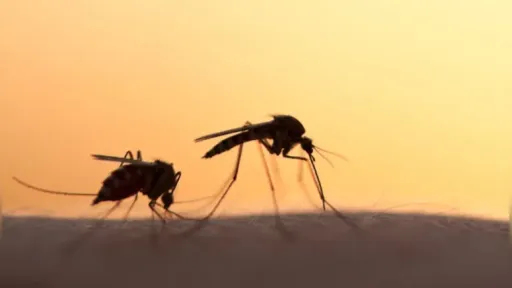
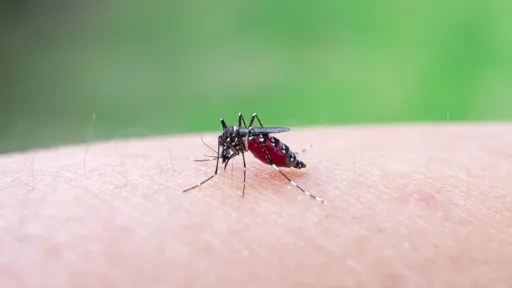
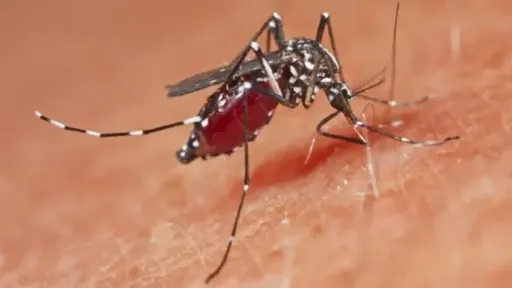
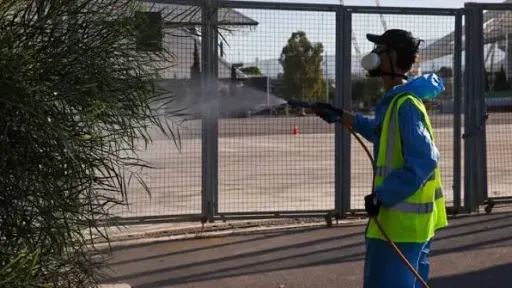
EODY said continued epidemiological surveillance, timely and coordinated mosquito-control programs and individual protection measures against mosquito bites remain the most effective tools for limiting transmission of West Nile virus.
Authorities are urging residents in affected and high-risk areas to take precautions against mosquito bites as transmission is expected to continue in the coming period.