Attica launches emergency plan as West Nile cases surge

Authorities in Attica have launched an emergency action plan to contain the spread of West Nile virus after a sharp increase in infections and hospitalizations over the past week.
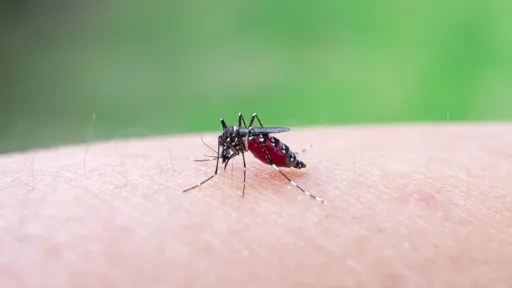
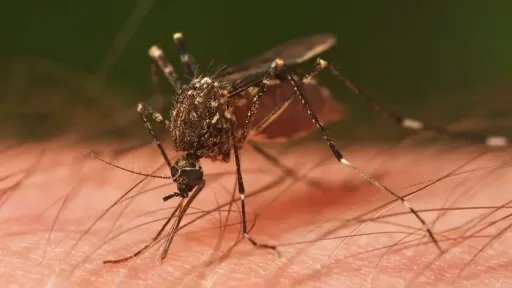
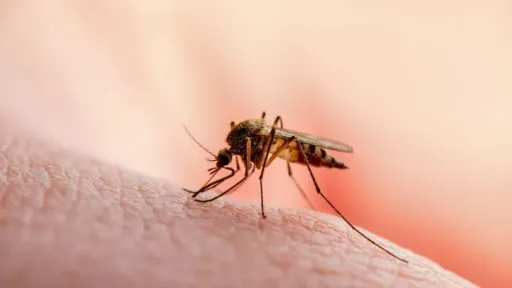
The decision was taken Thursday following an assessment by the National Public Health Organization (EODY), which reported a significant rise in cases. West Nile virus is primarily transmitted through the bite of infected mosquitoes.
An emergency meeting chaired by Attica Regional Governor Nikos Hardalias brought together health experts, epidemiologists, doctors and EODY representatives to assess the situation and coordinate the response.
Spraying targets eastern Attica
The first phase of the emergency response includes large-scale ground spraying using specialized vehicles equipped with turbines.
Operations began Thursday night and are targeting approximately 2,471 acres across areas and settlements in eastern Attica, where a higher number of infections has been recorded.
The Region of Attica said mosquito-control measures have already been increased by 30% and will continue to be adjusted according to epidemiological data.
13-year-old becomes youngest case
A 13-year-old was hospitalized Wednesday after developing symptoms associated with West Nile virus, becoming the youngest reported case in Greece this year.
The child developed complications but responded to treatment and was discharged later the same day, according to officials.
EODY experts expect the number of infections to increase in the coming weeks, particularly in Attica, which has recorded the largest number of cases.
Theodoros Vasilakopoulos, head of the EODY Scientific Council, confirmed during the emergency meeting that there had been a significant increase in West Nile virus infections.
Mosquito surveillance intensified
Attica authorities are working with the Benaki Phytopathological Institute to systematically monitor mosquito populations across the region.
The aim is to use epidemiological and scientific data to identify breeding areas and adjust mosquito-control operations accordingly.
Hardalias said the region had already carried out 102 cycles of ground spraying using specialized vehicles and equipment, along with 20 aerial applications using a spraying helicopter.
Hundreds of flights have also been conducted with specialized spraying drones, allowing crews to reach mosquito breeding sites that are difficult or impossible to access from the ground.
Residents urged to take precautions
Health authorities are urging residents to reduce their exposure to mosquitoes, particularly during the evening and nighttime when mosquito activity can increase.
People are advised to use insect repellent, wear long-sleeved clothing and take measures to prevent mosquitoes from entering homes.
Most people infected with West Nile virus develop no symptoms. When symptoms occur, they can include fever, headache, body aches, nausea, vomiting and skin rash.
In a small number of cases, particularly among older people and those with certain underlying conditions, the infection can develop into severe neurological disease, including encephalitis or meningitis.
Authorities are urging residents to remain vigilant and follow public-health recommendations as mosquito-control operations continue across Attica.