Greece considers early election amid scandals and political pressure
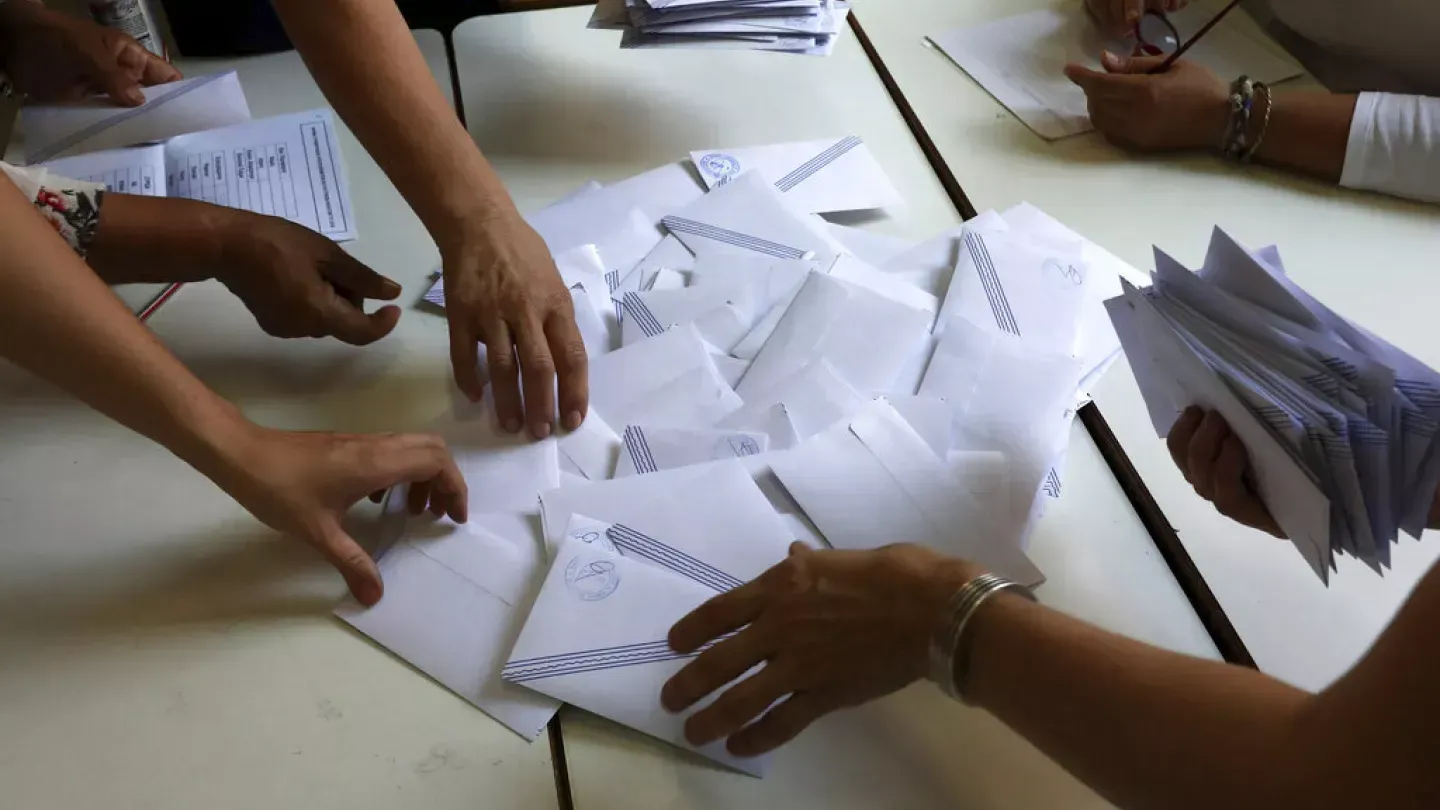
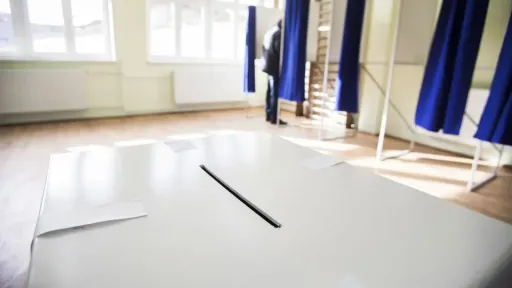
Speculation is growing within Greece’s ruling circles over the possibility of early national elections, as a series of scandals, legal investigations and economic pressures add strain to the political landscape, despite official assurances that the next vote will be held in 2027.
According to government insiders, senior figures in the ruling New Democracy are actively discussing possible election scenarios, including votes as early as June or October. Autumn is increasingly viewed as the most likely window, though no final decision has been taken.
The debate comes in the wake of revelations linked to the OPEKEPE agricultural subsidy case, which involves EU prosecutors investigating alleged irregularities and has reportedly implicated 11 ruling party MPs to varying degrees.
The case is under review by the European Public Prosecutor’s Office, and is expected to play a key role in upcoming parliamentary procedures, including votes on lifting immunity for several lawmakers and former ministers.
At the same time, parliament is preparing a special debate on the rule of law, which is expected to revisit surveillance allegations tied to the so-called “Predator” spyware scandal, including claims that journalists and political figures were monitored.
Officials say any election timing will depend on political, economic and institutional factors, including key EU-linked deadlines under the Recovery and Resilience Facility and the appointment of new judicial leadership by mid-2026.
While some within the government argue that early elections could help preserve political advantage amid fragmented opposition forces, others warn that a snap vote could be seen as opportunistic and risk undermining investor confidence.
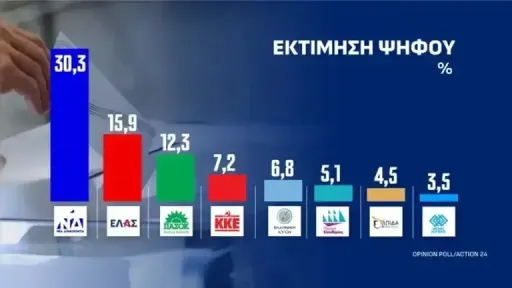
Recent polling suggests mixed signals for the government, with earlier gains linked to geopolitical developments fading and concerns over cost of living and energy prices weighing on public sentiment.
Opposition parties, including PASOK, continue to push for elections, arguing that the political climate has been weakened by ongoing scandals and economic pressures.
Source:tovima.com