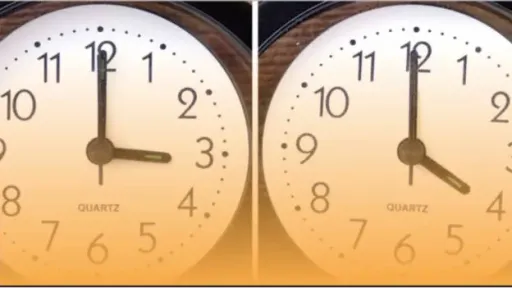
Daylight saving time 2026: Greece to move clocks forward on March 29

The time change, observed annually on the last Sunday of March, aims to extend evening daylight and align daily activities more closely with natural sunlight patterns.
When Will the Clocks Change?
In the early hours of Sunday, March 29:
- At 03:00 a.m., clocks must be set forward to 04:00 a.m.
- As a result, residents will lose one hour of sleep that night but gain longer daylight hours in the afternoon and evening.
An official circular from the Ministry of Infrastructure and Transport is expected, though the change follows the established European schedule and is implemented nationwide.
Why Greece Still Observes Daylight Saving Time
The seasonal clock adjustment is regulated under European Union directives requiring member states to shift between winter and summer time twice a year.
Although discussions have taken place at the EU level in recent years regarding the possible abolition of seasonal clock changes, no final decision has been implemented. As a result, the current framework remains in force for 2026.
The main rationale behind the practice includes:
- Improved energy efficiency
- Better use of natural daylight
- Alignment of work and social schedules with sunrise and sunset patterns
How Long Will Summer Time Last?
Daylight Saving Time will remain in effect until the last Sunday of October 2026, when clocks will move back one hour to mark the return to winter time.
Until any legislative change is enacted at the European level, Greece will continue to follow the biannual time adjustment system.