Most Americans expect prolonged Iran war as ceasefire collapses

Nearly four in five Americans believe the United States war with Iran will continue for an extended period, according to a Reuters/Ipsos poll conducted as fighting intensified and President Donald Trump announced renewed measures targeting Iranian shipping in the Gulf.
The three-day survey, completed on Sunday, found that 79% of respondents expected US military involvement in Iran to "go on for an extended period of time." The figure increased from 65% in a similar poll conducted in late March.
Only 18% of Americans said they believed the conflict would end within weeks.
The poll surveyed 1,019 US adults nationwide and carried a margin of error of about four percentage points.
Bipartisan concerns over length of conflict
Expectations of a prolonged war were widespread across political groups. According to the poll, 69% of Republicans, 91% of Democrats and 84% of independents said they believed the conflict would continue for an extended period.
Public support for the military campaign remained limited. While 37% of respondents approved of US strikes against Iran, 58% said they disapproved of the war overall.
When asked whether US military action in Iran had been worthwhile, 51% said it had not been worth it, while 24% said it had been justified. Another 23% were uncertain.
The poll also found that 60% of Americans expected gasoline prices to rise over the next year because of the conflict.
Trump faces political pressure ahead of elections
President Trump's approval rating has remained near the lowest levels of his political career since the conflict began, according to Reuters reporting.
Republican strategists have warned that rising living costs and higher energy prices could weaken the political advantages of the administration's economic policies ahead of the November midterm elections.
The conflict is creating concerns for Republicans as the party seeks to maintain its narrow majorities in Congress.
Trump notifies Congress of renewed hostilities
Separately, Trump informed Congress that military operations against Iran had resumed on July 7, according to a letter dated July 10.
The administration views the notification as starting a new 60-day period in which the president can use military force in the region without additional congressional authorization.
"I directed this military action consistent with my responsibility to protect Americans and United States' national security and foreign policy interests," Trump wrote in the letter.
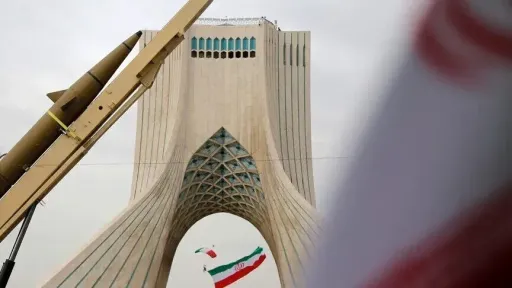
The president said renewed strikes followed Iran's alleged violations of a memorandum of understanding signed on June 17, including attacks on commercial vessels in the Strait of Hormuz.
The United States began military strikes against Iran on February 28 alongside Israel. Trump later announced that Washington was reinstating a blockade targeting Iranian shipping while maintaining that efforts to keep the Strait of Hormuz open would continue.
Dispute grows over war powers authority
The conflict has also intensified a political dispute over presidential war powers.
Under the US Constitution, Congress has the authority to declare war, although presidents have historically ordered limited military operations without formal declarations.
The War Powers Act requires presidents to notify Congress within 48 hours of initiating hostilities and generally limits military action without congressional approval to 60 days.
According to Reuters, lawmakers opposed to the continued conflict argue that the administration is misinterpreting the law by treating the earlier ceasefire as ending the original authorization period.
Last month, both the Senate and House passed a resolution calling for the withdrawal of US forces from hostilities with Iran, despite Republican control of both chambers.
Trump criticized lawmakers who supported the resolution, accusing them of making US military operations more difficult and helping Iran.
Source:turkiyetoday