Western Thrace faces potential population decline of 170,000 over next 30 years

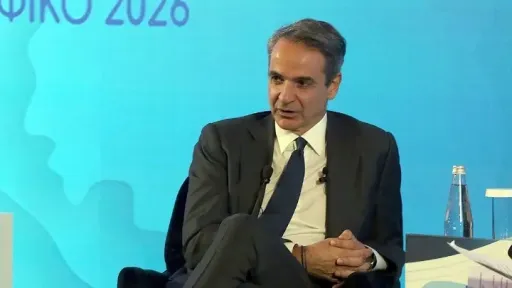
Western Thrace could lose up to 170,000 residents over the next three decades if no immediate measures are taken, experts warned during the 4th Eastern Macedonia and Thrace Forum. The alarming projection highlights growing concerns over demographic decline, aging populations, and sustained outward migration in northeastern Greece.
According to reporting by gnomionline.gr, demography specialist Konstantinos Zafeiris emphasized that population size alone is not the only issue. “If no action is taken, within 30 years we would need to bring back between 150,000 and 170,000 people just to maintain current population levels in Thrace,” he stated. Zafeiris also stressed that regional development should be driven by local stakeholders rather than centralized planning.
Government Unveils 10-Year Demographic Plan
Another speaker, Katerina Patsogianni, presented a comprehensive 10-year strategy aimed at tackling the region’s demographic challenges. The plan goes beyond family support policies, incorporating employment initiatives, regional development programs, active aging strategies, and public awareness campaigns.
A key component of the plan is a relocation incentive scheme launched in Meriç. The initiative offers €10,000 to families willing to move from urban centers to areas facing population decline. Target groups include Greek expatriates, retirees, university students, and digital nomads.
Economic Impact Raises Concern
Officials at the forum also highlighted the broader economic consequences of demographic shrinkage. Projections suggest that a decline of 2.5 million people of working age by 2025 could reduce Greece’s annual GDP by approximately 0.5 percentage points if left unaddressed.
Participants stressed the need to increase public investment in early childhood education and care. Currently, Greece allocates only 0.3% of its GDP to this sector, significantly below the target range of 1% to 1.1%.
Local Challenges and Social Policy Gaps
Local authorities pointed to structural issues limiting the effectiveness of social policies. Athanasios Vitsas noted that the geostrategic importance of the region has not translated into local economic development.
On the island of Samothrace, for example, primary school enrollment dropped from 144 students in 2021 to 114 this year, underscoring the ongoing demographic decline. Vitsas argued that smaller municipalities lack the financial resources needed to manage social infrastructure effectively, adding that social policy responsibilities have increasingly been shifted onto local governments.
Call for Coordinated Action
Forum participants agreed that reversing the population decline in Western Thrace will require coordinated efforts between national and local authorities. Without swift and targeted intervention, experts warn that demographic pressures could further weaken the region’s economic resilience and social cohesion.