Students, teachers rally across Western Thrace over education funding, staff shortages and rising costs

Rallies were held in Komotini (Gümülcine), Xanthi (İskeçe), Alexandroupoli (Dedeağaç), Kavala, Drama and Thassos (Taşoz), bringing together pupils, university students, teachers, parents and trade union representatives. The mobilizations formed part of a nationwide day of action for public and free education.
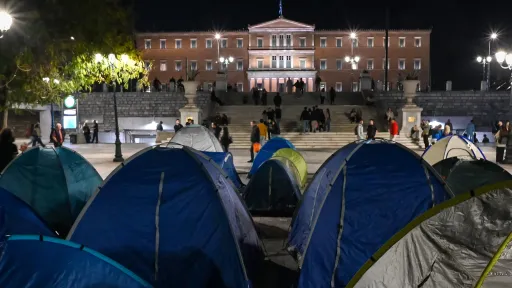
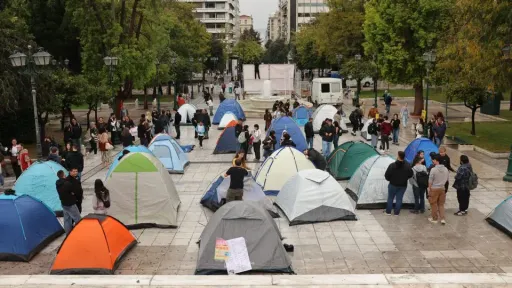
Students set up tents outside Thrace University
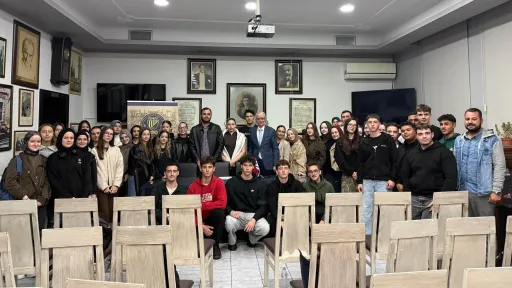
In Komotini (Gümülcine), students from the Democritus University of Thrace (DUTH), including participants from Kavala, Xanthi (İskeçe) and Alexandroupoli (Dedeağaç), set up tents outside the university's administration building and rectorate, highlighting the financial pressures facing university students.
Students said only around 9% of the university's student population could be accommodated in student residences, while existing facilities faced maintenance problems. They also cited inadequate student catering and high bus fares for travel to and from university campuses.
University representatives called for increased state funding, the renovation and expansion of student residences, higher housing allowances, free meals and transport, and affordable access to textbooks and other study materials.
Students also raised concerns about specific academic needs, including textbook access at the university's Law School in Komotini (Gümülcine) and the School of Architecture in Xanthi (İskeçe).
Joint demonstration in Komotini (Gümülcine)
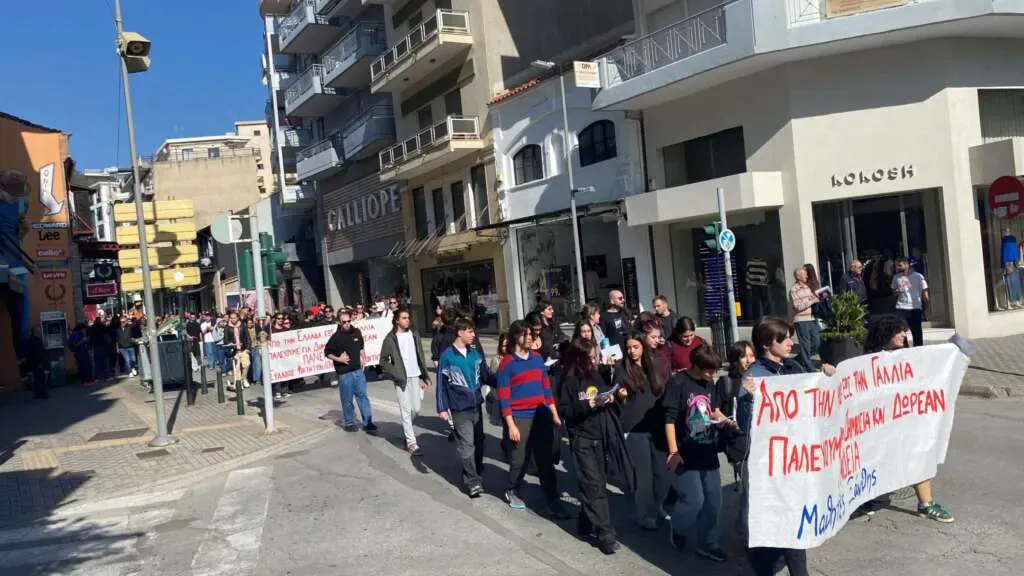
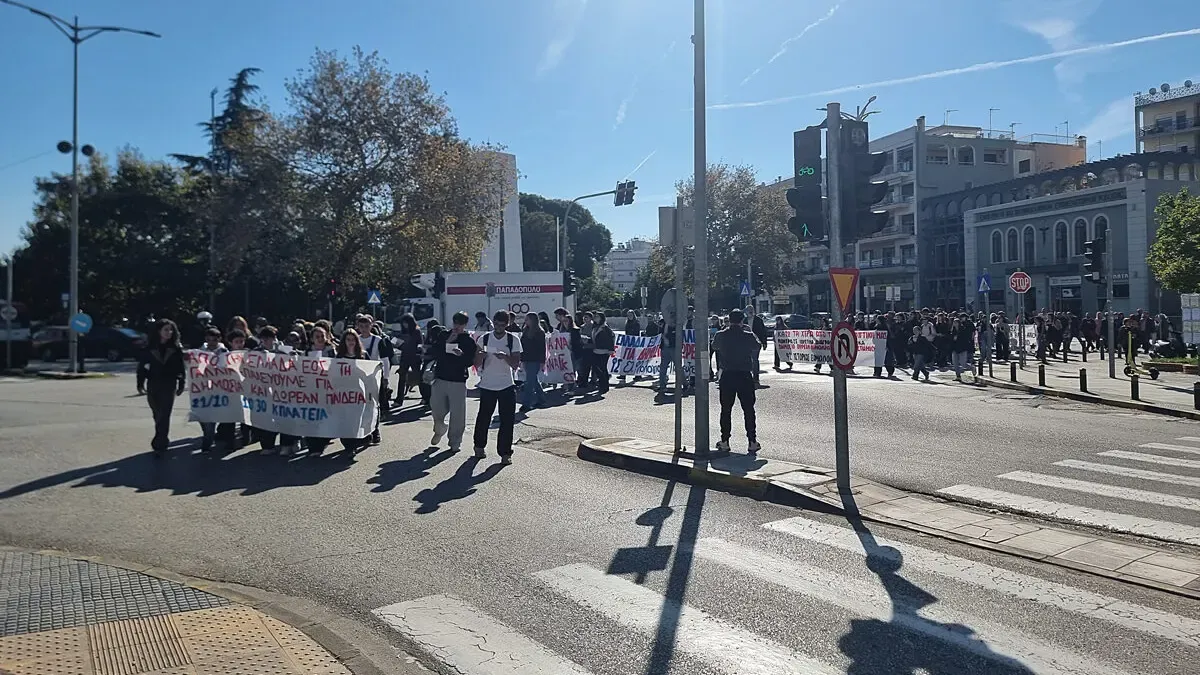
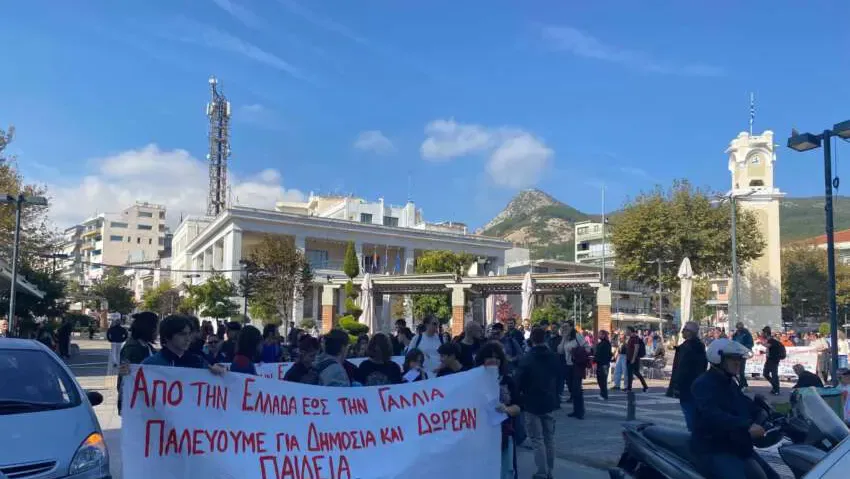
Students, school pupils and teachers gathered in Komotini's (Gümülcine) central square on Wednesday morning before marching through the city centre.
Participants called for better-funded schools and universities, more teaching staff, improved infrastructure and measures to reduce the cost of education. School students demanded urgent building safety inspections, smaller classes, free and safe school trips, and lower prices at school canteens.
MP Özgür Ferhat
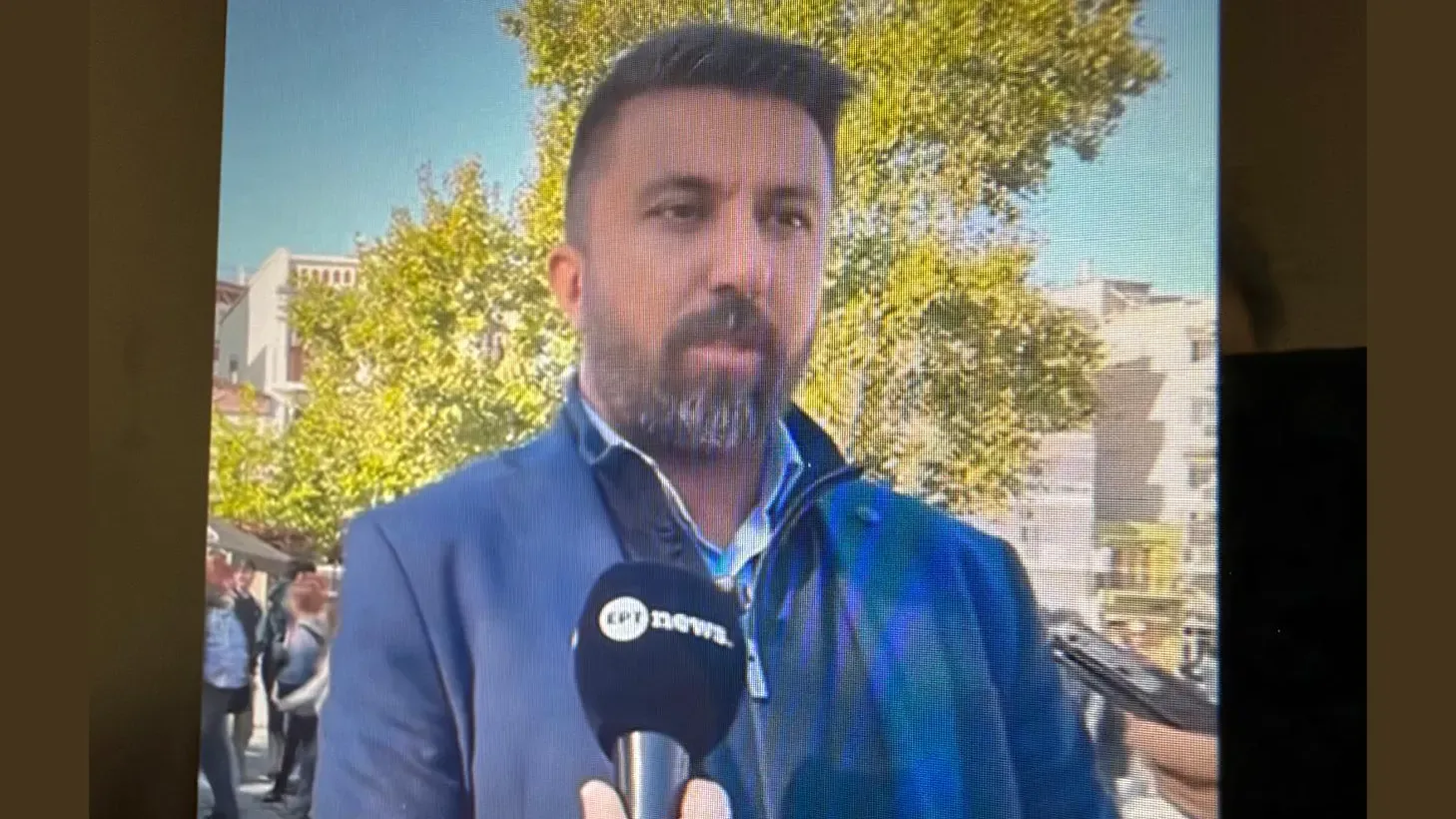
The demonstration was supported by representatives of local organizations, trade unions and Rodopi MP Özgür Ferhat, who criticized the financial pressures facing young people and called for stronger support for public education.
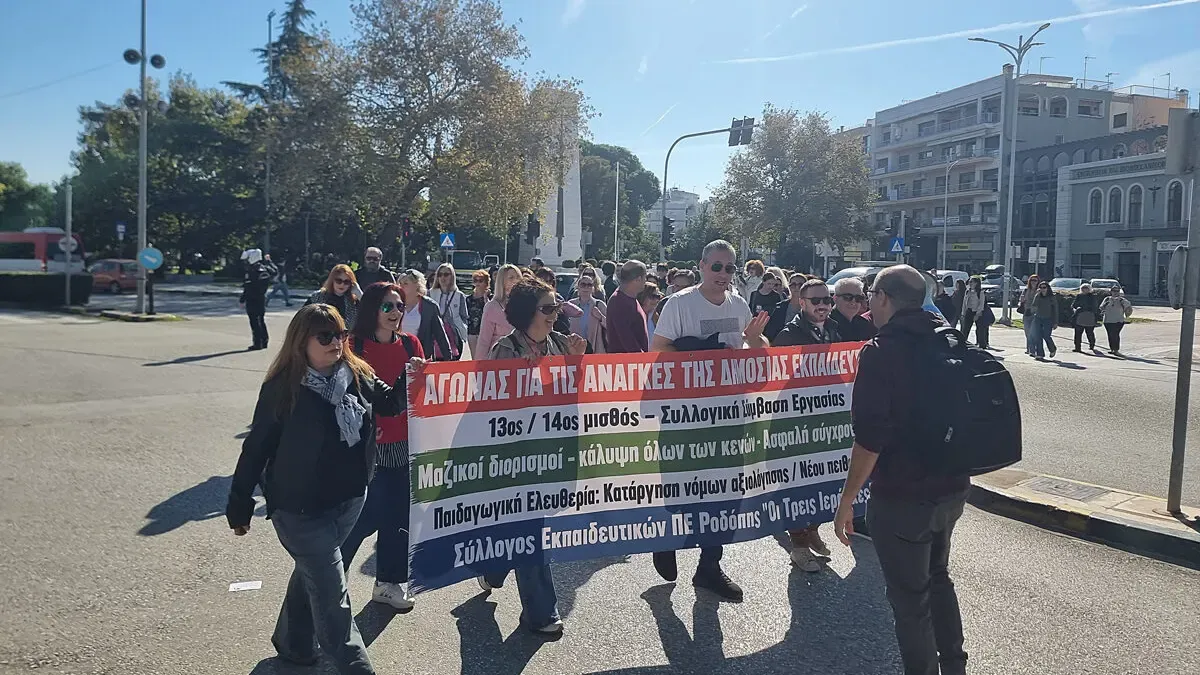
Teachers from the Rodopi region joined the rally after gathering outside the local education directorates. They demanded higher salaries, more permanent appointments, safer school buildings and better working conditions.
Xanthi (İskeçe) Students and Teachers march for free education
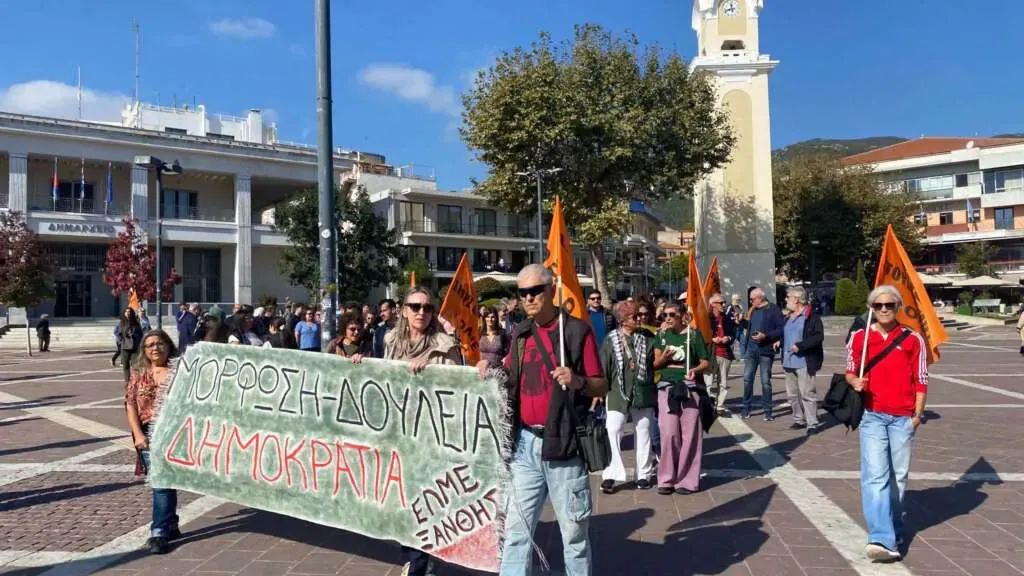
In Xanthi (İskeçe), pupils, university students and teachers marched from the city's central square, calling for equal access to public education and improved conditions in schools and universities.
The demonstration included students from the DUTH Polytechnic School and the university's student residence community, alongside local teachers' associations.
Participants highlighted teacher shortages, inadequate school facilities and the rising cost of student accommodation, food and transport. University students also demanded free and decent housing, meals and transportation, while opposing disciplinary expulsions.
Teachers called for increased public investment, permanent recruitment and salary improvements, arguing that shortages and inadequate resources were undermining the quality of education.
The local teachers' association emphasized the need for better school infrastructure, smaller classes and sufficient funding to meet pupils' educational needs.
Demonstrations in Evros (Meriç) and across Eastern Macedonia
In Alexandroupoli (Dedeağaç), the capital of the Evros (Meriç) regional unit, a demonstration was scheduled outside the town hall at 11 a.m. on Wednesday.
Further rallies were scheduled in Kavala at 10 a.m., Komotini at 10:30 a.m., and Xanthi, Drama and the port of Thassos at 11 a.m., according to regional mobilization announcements.
The demonstrations reflected concerns shared across Eastern Macedonia and Thrace over staffing gaps, school maintenance, inadequate state funding and the increasing cost of university studies.
The Federation of Parents' Associations of Eastern Macedonia and Thrace warned that hundreds of teaching positions remained vacant across the region, particularly in special-needs support, music, visual arts, drama education and physical education.
Parents also raised concerns about overcrowded classrooms, with some secondary-school classes reportedly containing 27 to 29 pupils, and about schools lacking basic supplies following years of reduced funding.
The federation called for the immediate recruitment of teachers, comprehensive safety inspections of school buildings, earthquake-resistance assessments and sustained state funding for maintenance and new school construction.
Teachers demand higher salaries and safer schools
Teachers participating in the nationwide strike called by their unions demanded improved pay, permanent appointments and better working conditions.
In Rodopi, union representatives said the starting monthly salary of a newly appointed teacher was about 840 euros, which they argued was insufficient to cover living expenses, particularly for staff working away from their permanent homes.
They called for the restoration of the 13th and 14th salaries for public-sector employees, alongside measures to reduce administrative workloads and protect teachers' professional and trade union rights.
School safety was another central concern, with educators warning about deteriorating buildings, falling plaster and other maintenance problems that could put pupils and staff at risk.
Teachers also stressed that unfilled positions meant some classes and all-day school programmes could not operate properly, while pupils requiring additional educational support were left without adequate assistance.
Nationwide Movement for Public Education
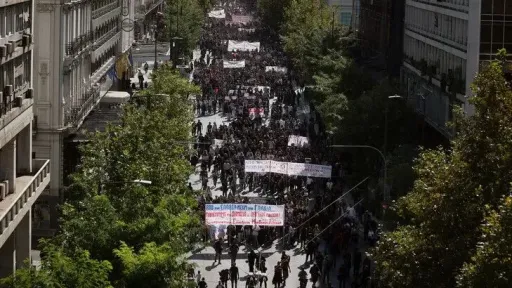
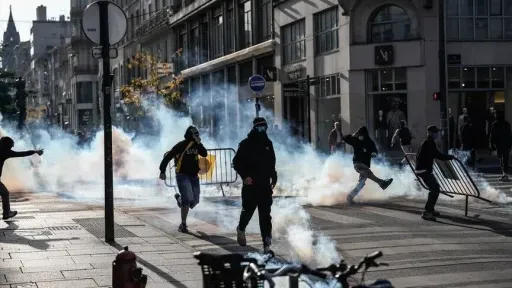
The protests in Thrace were part of a wider mobilization across Greece, where thousands of students, teachers and parents demanded more investment in public education and action to address the rising cost of living.
The central message of the demonstrations was summed up in the slogan: “From Greece to France, we fight for public and free education.”
Protesters argued that education should remain a public right rather than a financial burden on families, calling for increased state spending, dignified salaries for teachers, safe schools and affordable university studies.