What you need to know about military draft
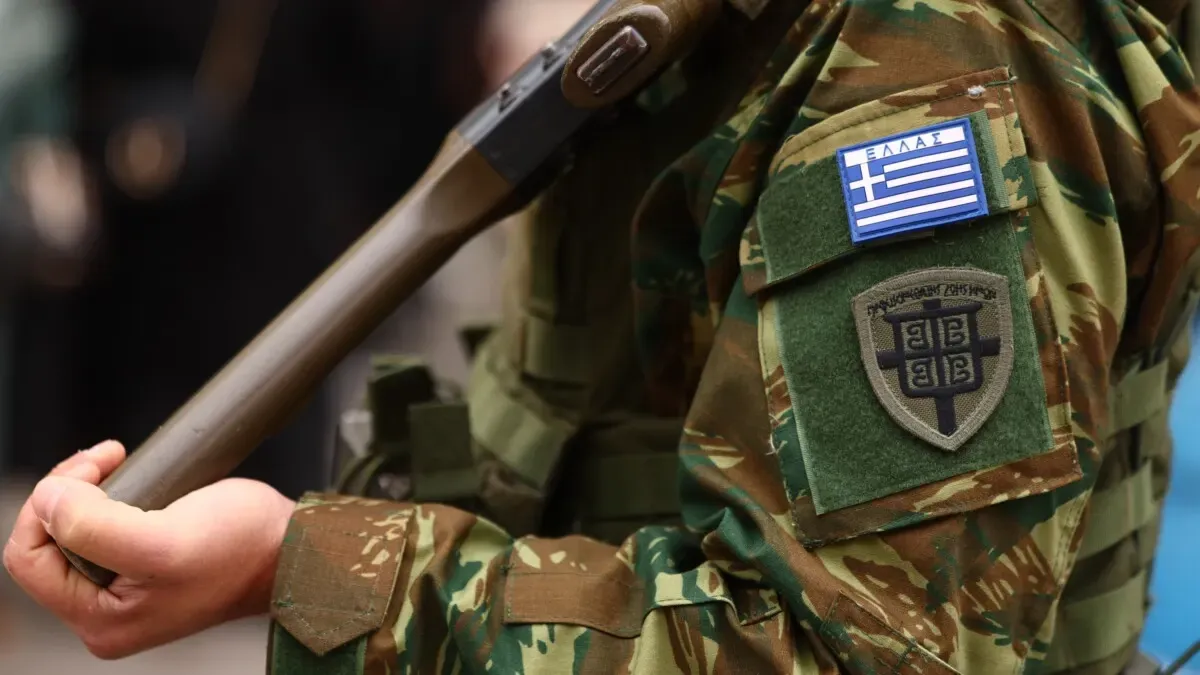
Greece’s military mobilization system enables authorities to rapidly reinforce national defense by calling up trained reservists during emergencies, whether in wartime or periods of heightened tension.
Mobilization ensures that armed forces units can operate at full strength in a crisis. Reservists are assigned to specific units and are required to report if a call-up is issued.
Types of mobilization
There are two categories:
General mobilization (red alert): Declared in the event of war.
Partial mobilization (orange alert): Activated during serious tensions without full-scale conflict.
Who can be called
The reserve force includes all trained personnel who have completed military service. This covers officers and non-commissioned officers up to the legal age limit, and enlisted personnel up to age 45.
Reservists are assigned to units based on residence, specialty and rank, and are grouped into two categories: up to age 40 and 41–45.
How call-ups are issued
Mobilization orders may be announced through television, radio, newspapers, online platforms and official public notices. Some reservists may also receive personal notification.
Individuals must check their official service documents for specific call-up codes and reporting instructions.
What reservists must do
In case of mobilization, reservists must report promptly to their assigned unit with identification papers, mobilization documents and basic personal supplies, including food for two days. If direct travel is not possible, they must report to the nearest military or police authority for instructions.
Most recent mobilization
Greece’s last mobilization occurred in January 1996 during the Imia crisis, when a partial call-up of reservists was completed within 24 hours.