Red tide phenomenon observed in Kavala Gulf linked to non-toxic plankton bloom
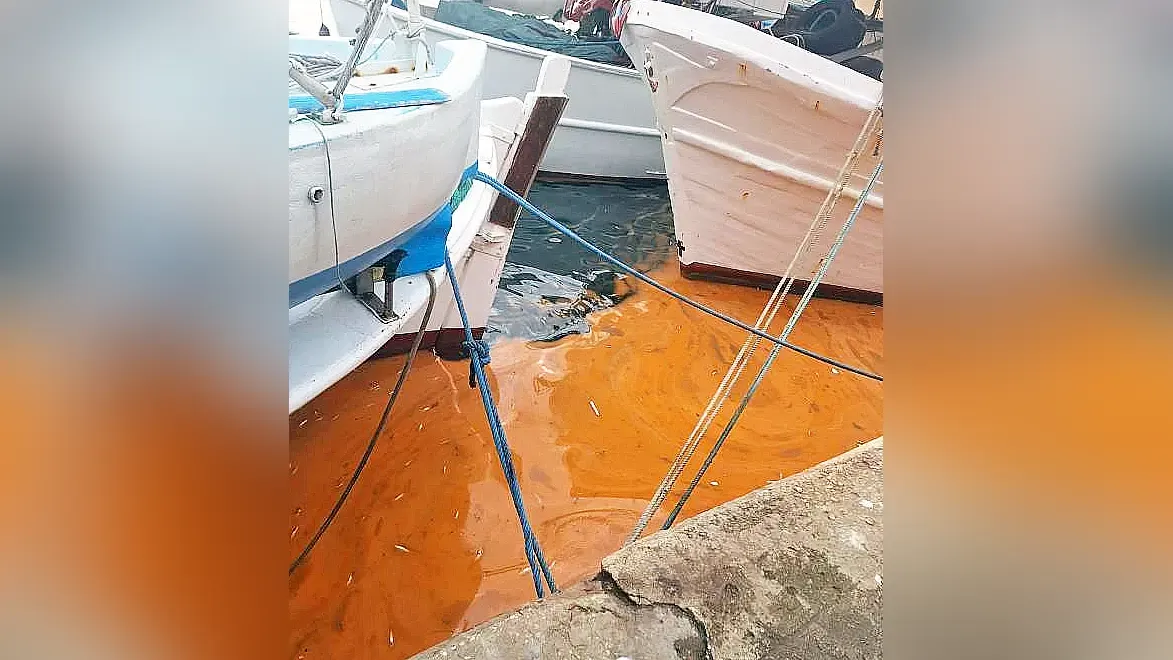
A red tide phenomenon was observed in the Kavala Gulf between April 14 and 19, according to findings released by Greek marine research authorities.
The event, characterized by reddish discoloration of seawater, was studied by the Fisheries Research Institute (ELGO-DIMITRA) in coordination with the General Directorate of Agricultural Research, which submitted a formal report to the Kavala Port Authority.
Researchers identified the primary cause of the phenomenon as a bloom of Noctiluca scintillans, a heterotrophic and non-toxic microzooplankton species widely distributed across the Mediterranean Sea and global marine ecosystems.
Widespread but Seasonal Occurrence
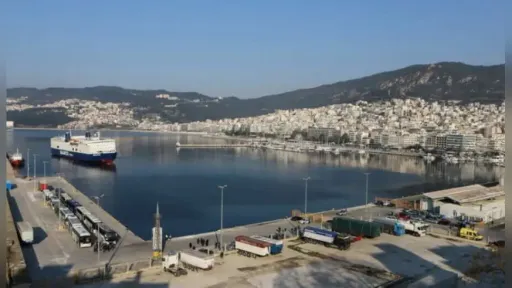
The red tide appeared asynchronously across multiple marine zones, with patches forming and shifting depending on sea currents. The affected areas extended along the coastline from Perigiali and the Kavala passenger port “Apostolos Pavlos” to the coastal regions of Paleo and Nea Iraklitsa.
Experts note that such blooms are not unusual for the Kavala Gulf. On the contrary, seasonal population surges of N. scintillans are recorded almost annually, typically occurring between February and April.
Scientific Findings and Analysis
Surface seawater samples were collected during the event for quality control and laboratory analysis, supported by the Kavala Port Authority. Microscopic examinations confirmed the dominance of Noctiluca scintillans and the absence of other zooplankton species.
Morphometric analysis using flow cytometry revealed that the organism population had an average cell diameter of 534 micrometers, with sizes ranging from 312 to 845 micrometers.
The monitoring and analysis were conducted by the “Benthic Ecology & Technology” laboratory of the Fisheries Research Institute as part of the Marine Strategy program under Greece’s Ministry of Environment.
No Immediate Public Health Risk
Although red tide events can sometimes be associated with harmful algal blooms, researchers emphasized that the species identified in this case is non-toxic, meaning it does not pose a direct threat to human health or marine life under normal conditions.
However, authorities continue to monitor such phenomena closely, as environmental factors like water temperature, nutrient levels, and currents can influence the scale and impact of future blooms.