Greece expands electronic vehicle checks, with fines reaching €30,000
Authorities are stepping up digital checks to identify uninsured vehicles, cars without mandatory roadworthiness inspections and vehicles illegally driven despite being declared off the road. Automatic number plate recognition technology is also reported to be entering use at motorway toll stations, while repeat offences involving immobilised vehicles can lead to fines of €30,000 and a three-year driving licence suspension.
Greece is strengthening its electronic vehicle inspection system, allowing authorities to identify vehicles that do not meet legal requirements for circulation, including those without insurance, valid roadworthiness certificates or paid road tax.
The system uses electronic data cross-checks between government databases to identify potential violations. Information from the General Secretariat for Information Systems and Digital Governance, the Ministry of Infrastructure and Transport, the Independent Authority for Public Revenue (AADE) and other relevant authorities is used to establish whether vehicles comply with their legal obligations.
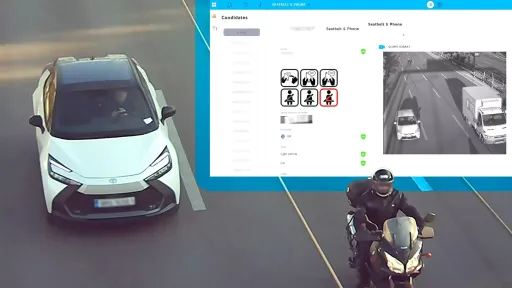
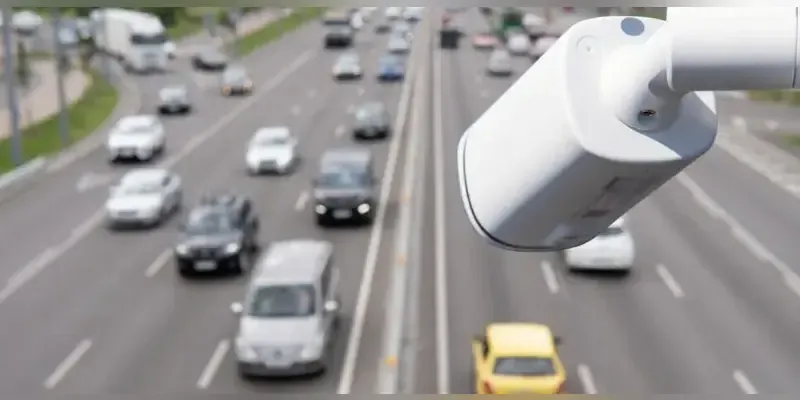
Automatic number plate recognition cameras at motorway toll stations have also been reported to be part of the expanded monitoring system. These cameras can identify passing vehicles by their registration plates, allowing the information to be compared with official records.
However, the precise operational integration of toll-station cameras into the national enforcement system has not been independently confirmed by an official announcement.
FINES OF UP TO €30,000 FOR DRIVING IMMOBILISED VEHICLES
One of the main targets of the enforcement measures is the illegal use of vehicles that have been officially declared immobilised.
Under Greek legislation, vehicles declared digitally immobilised through the AADE's myCAR platform are prohibited from being driven.
If an immobilised vehicle is found circulating or displaying its registration plates during an inspection, its owner faces an administrative fine of €10,000, in addition to the applicable road tax and penalties for non-payment.
In the event of a repeat offence, the administrative fine increases to €30,000, and the vehicle owner's driving licence can be withdrawn for three years.
Authorities can notify vehicle owners of detected violations using evidence gathered during inspections. Owners can also submit objections through the relevant administrative procedures.
UNINSURED VEHICLES AND EXPIRED KTEO INSPECTIONS ALSO TARGETED
The electronic checks extend beyond vehicles declared off the road.
Authorities also monitor compliance with mandatory third-party insurance, periodic technical inspections through the KTEO system and annual road tax payments.
The checks rely on electronic comparisons between official government databases, allowing potential violations to be identified without relying exclusively on roadside police inspections.
According to the applicable regulations, the main categories of violations include:
- Uninsured vehicles: Penalties vary depending on the vehicle category.
- Vehicles without valid KTEO inspections: Owners face administrative penalties for failing to meet mandatory inspection requirements.
- Unpaid road tax: Additional fines apply depending on the nature and duration of the outstanding payment.
- Repeated non-compliance can result in increased financial penalties and the withdrawal of vehicle registration plates and circulation documents, where provided for by law.
ELECTRONIC CROSS-CHECKS TO BE REPEATED REGULARLY
The new enforcement framework is based on recurring electronic checks rather than inspections conducted only at specific locations or during police operations.
A joint ministerial decision published in October 2025 established the procedures for cross-checking vehicle records, notifying owners of violations, imposing penalties and handling objections.
The framework was subsequently amended in February 2026.
The aim is to make it easier for authorities to identify vehicles being used illegally and improve compliance with insurance, roadworthiness and tax requirements.
With the reported expansion of number plate recognition technology at motorway toll stations, drivers in Greece may increasingly face electronic monitoring alongside conventional traffic police inspections.