Bakogianni apologises for “shut up, sweetheart” remark after Chania hospital incident
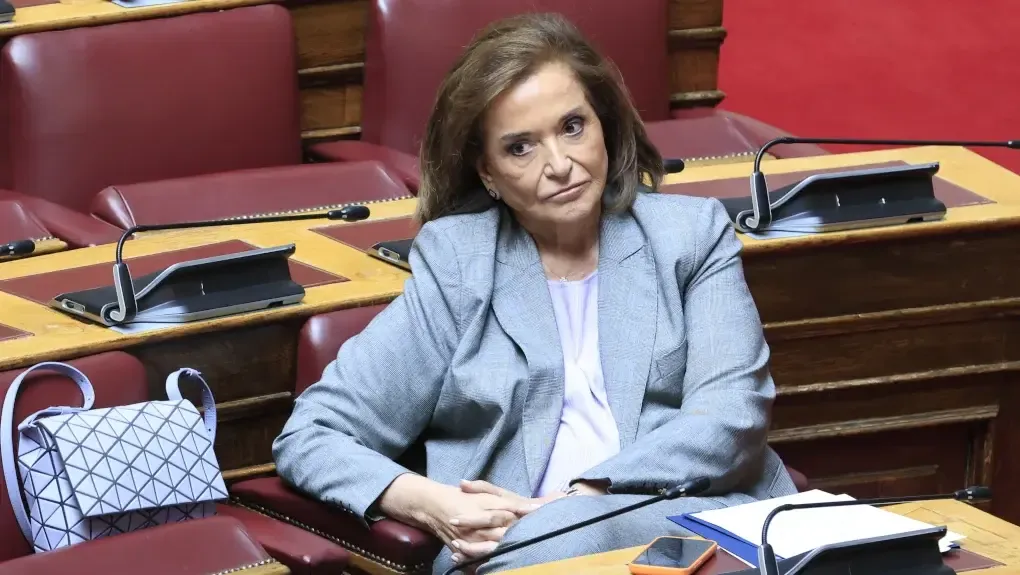
New Democracy MP Dora Bakogianni has apologised for losing her temper during an event in Chania, while criticising the political rhetoric of opposition parties SYRIZA and PASOK.
Dora Bakogianni, a former minister and New Democracy (ND) MP, has apologised after telling a woman who interrupted her during a public event in Chania to “shut up, sweetheart, I’m speaking”.
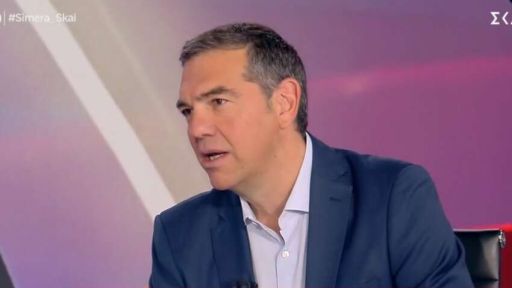
Speaking on SKAI TV’s Simera programme on Thursday, November 5, Bakogianni acknowledged that she had lost her composure during an event held approximately two weeks earlier to present a major project concerning Chania Hospital.
“I lost my temper in Chania 15 days ago. I was wrong and I apologise,” she said, explaining that she had listened to discussions for three and a half hours before attempting to present the hospital project.
CRITICISM OF SYRIZA AND PASOK
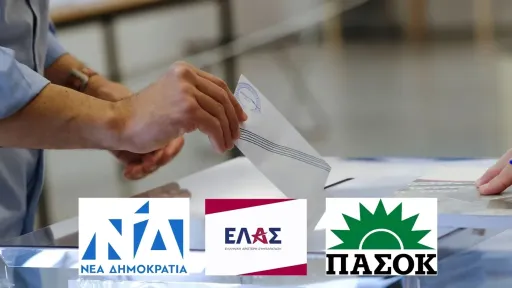
Bakogianni also criticised the language used in a recent statement by the Greek Left Alliance (ELAS), the political movement associated with former prime minister Alexis Tsipras. She argued that the political debate was increasingly characterised by hostile rhetoric, particularly between Tsipras and PASOK leader Nikos Androulakis.
She described the exchanges as an “insult competition” between the two political figures, accusing both sides of competing over who could adopt the more confrontational tone.
Bakogianni also criticised Androulakis's approach to foreign policy debates in Parliament, arguing that the opposition leader could have expressed his criticism in a more responsible manner.
Commenting on Tsipras's recent political positioning, she said he had failed to maintain the calmer and more measured image he had sought to project.
The ND MP further defended the government against accusations of corruption, saying that allegations should be brought before prosecutors if evidence of wrongdoing exists. She argued that the opposition's rhetoric was damaging the quality of political debate and could also affect Greece's image abroad.
COMMENTS ON US MIDTERM ELECTIONS AND FOREIGN POLICY
Bakogianni also discussed the US midterm election results, suggesting that US President Donald Trump would seek to bring the war in the Middle East to an end. However, she said there was no straightforward solution to the conflict.
She attributed the electoral backlash against Trump to what she described as a gap between his campaign promises and subsequent policies. According to Bakogianni, Trump had pledged to avoid wars and reduce prices, but the conflicts continued and rising prices were compounded by the war in the Middle East.
Drawing a comparison with Greek politics, she questioned whether voters could reasonably expect Tsipras or Androulakis to resolve international crises such as tensions surrounding the Strait of Hormuz or Iran.
She also said the Greek government was among a small number of European governments providing subsidies for petrol and diesel.
On the electricity interconnection cable project, Bakogianni maintained that Greece's position was supported by international law. She argued that the central issues in Greece's relations with Türkiye remained the continental shelf and the exclusive economic zone (EEZ).
“These are the issues we must insist on and resolve,” she said.
BAKOGIANNI SAYS PASOK HAS MORE EXPERIENCED FIGURES THAN TSIPRAS
Asked whether ELAS or PASOK could perform better in the next elections, Bakogianni said she believed PASOK had more and more serious political figures than Tsipras.
She described PASOK as containing two distinct political tendencies: what she called its “old populist” tradition and a more moderate current on foreign policy.
Bakogianni referred to former foreign ministers Theodoros Pangalos, George Papandreou and Evangelos Venizelos as representatives of the latter tradition, arguing that their approach currently had limited influence within the party.
She warned that adopting populist positions on foreign policy would be a serious mistake for a party seeking to present itself as a credible political alternative.