Government proposes 25-year inquiry into agricultural subsidy fraud

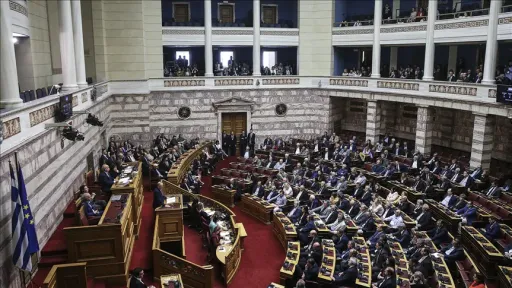
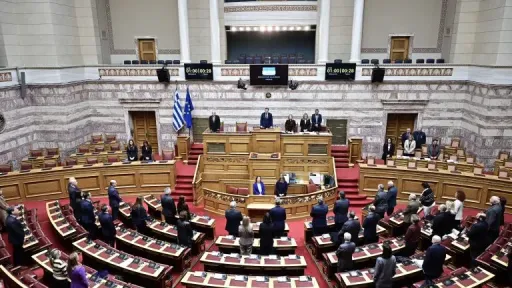
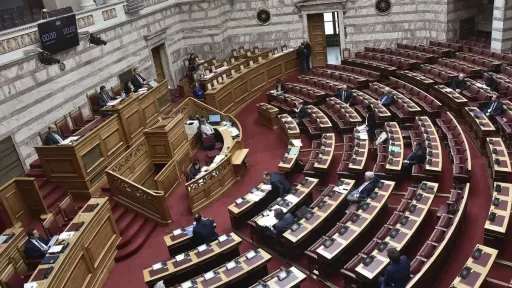
The Greek government on Wednesday submitted a proposal to Parliament to establish an investigative committee examining allegations of agricultural subsidy fraud spanning from 1998 to the present — a 25-year period. The initiative comes amid calls from opposition parties for a more immediate preliminary criminal investigation.
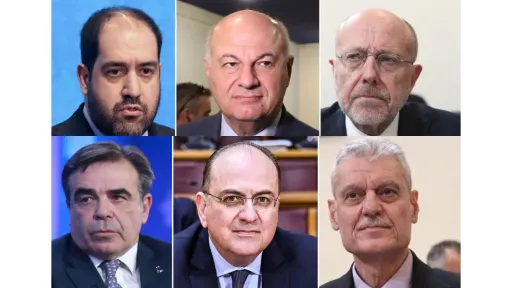
Backed by the ruling New Democracy party, the proposal outlines a step-by-step parliamentary process that would review the actions and decisions of all agricultural development ministers during the period in question. The government argues that the evidence currently available does not meet the constitutional threshold for criminal investigation into two named political figures.
“No tangible and specific evidence is presented that would substantiate even the minimal indications required by the Constitution for further criminal investigation by Parliament of the two referenced political persons,” the proposal states.
The proposed investigation centers on the actions of OPEKEPE, the organization responsible for managing and disbursing agricultural aid. The inquiry will focus on whether internal failures at OPEKEPE were due to negligence or part of a coordinated effort to divert EU funds through fraudulent subsidy claims.
Specifically, the committee will look into:
Whether key officials at OPEKEPE obstructed oversight mechanisms,
Evidence of collusion between senior agency staff, powerful livestock farmers, and Declaration Submission Centers, and
Whether this activity amounted to systematic corruption within the agricultural subsidy system.
The government claims that current findings point more toward institutional failures and abuse by local actors, rather than direct political involvement.
“The investigation seeks to identify responsibilities not based on political expediency but to restore the credibility and fairness of the agricultural aid system,” government sources said.
Emphasizing a “zero tolerance” approach to fraud, the proposal cites the tightening of oversight and control mechanisms in recent years as part of broader efforts to safeguard public and European funds.
For the ruling majority, the committee’s objective is forward-looking:
“The real question is not who is more or less responsible for the past, but how to ensure proper and fair operation of the agricultural aid payment system.”
If approved, the investigative committee is expected to conduct a multi-month review that could shape future reforms in agricultural funding oversight and governance.