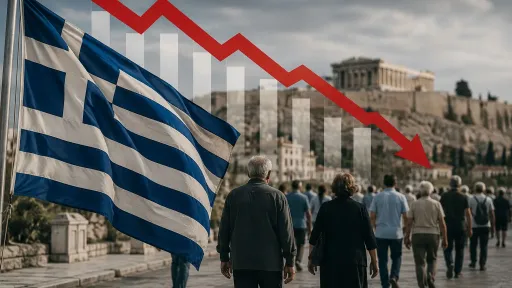
Four in ten young women do not want children – A demographic “time bomb” for Greece

Four out of ten Greek women aged up to 34 say they do not want to have children or are unsure if they do. Young men, meanwhile, appear more positive about becoming parents than women—reversing long-standing stereotypes that women feel a stronger urge for motherhood.
These striking findings come from a recent survey conducted by Palmos Analysis for Eleftheros Typos, shedding light on major shifts in young people’s attitudes toward parenthood and the wider demographic challenges facing the country.
Young Women Far More Likely to Say “No” to Parenthood
Although 65% of young adults up to the age of 34 say they want to have children, the percentage of women who reject or hesitate toward motherhood is twice as high as that of men.
42% of women of reproductive age say they do not wish to become mothers or are unsure.
Among men, the figure is just 18%.
Overall:
This reveals that parts of the “demographic issue” are tied less to biological fertility and more to the broader social and economic challenges faced by young people in Greece today.
High Childlessness Among Young Adults
Three in four young people aged up to 34 currently have no children. Even among women aged 35–44, 28% remain childless, reaching the limits of biological fertility.
Experts note that any policies implemented today will take at least 15 years to produce results, highlighting the depth of Greece’s demographic crisis.
Delayed or Absent Relationships
While 57% of Greek adults are married or in a civil partnership, the picture is dramatically different among young people:
8 in 10 individuals aged up to 34 have not formalized their relationship.
28% are not in a relationship at all.
Breakdown:
Among men, 36% are single or in an informal relationship.
Among women, the figure is 21%, suggesting women pursue stable, formal relationships more often.
“Life in Greece Pushes Young People Toward Emigration or Childlessness”
According to the Institute for Demographic Studies (IDEM), young people cannot be persuaded to have children “for the good of the nation,” nor are temporary financial incentives sufficient to reassure potential parents that they can meet the long-term demands of raising children.
The institute stresses that the current living conditions in Greece—especially regarding employment, income, and housing—either drive young people abroad or discourage family planning altogether.
Improving living standards and housing conditions for young adults, IDEM argues, is essential if the country hopes to curb declining birth rates and future population loss.
Economic Insecurity: The Central Obstacle
Financial concerns emerge as the leading reason why young people avoid or postpone parenthood:
- 34% of those who do not want children say they simply cannot afford it.
- Among young women, economic anxiety is even more pronounced.
- Housing is a major component of this insecurity:
- 41% of young adults live in rented accommodation.
The percentage jumps to 48% among families with preschool-aged children.
A Broader Crisis of Living Standards
The Institute for Demographic Studies highlights that nearly every aspect of daily life in Greece needs significant improvement:
housing, employment, healthcare, education, and family-support policies.
Moreover, the continued emigration of young Greeks—along with a high proportion who still expect to leave the country—demonstrates the severity of the situation.
A Difficult Question
Given these conditions, Greece faces a pressing and uncomfortable question:
Is the country today a good place to live, start a family, and raise children—especially for younger generations?