473,000 animals culled as sheep, goat pox spreads; Vaccination ruled out

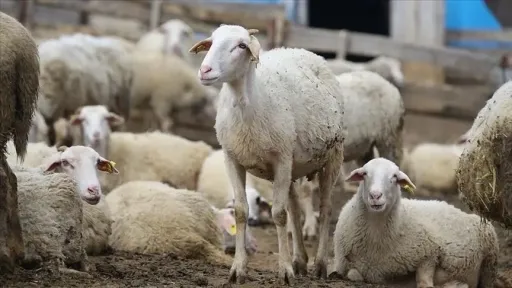
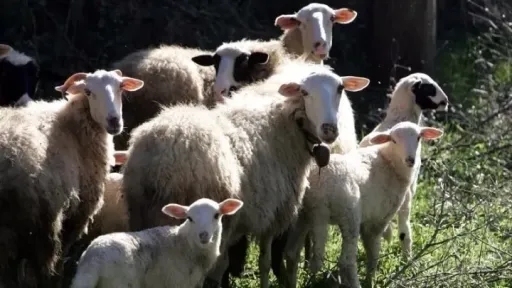
Nearly 473,000 animals have been culled in Greece due to an ongoing outbreak of sheep and goat pox, Agriculture Ministry officials said on Friday, ruling out vaccination as a means of controlling the disease.
The ministry said that since August 2024, a total of 2,061 cases have been confirmed on 2,559 farms nationwide. The outbreak continues to spread, with 16 new cases recorded between January 10 and 18 in central and northern Greece as well as the western Peloponnese.
The disease, combined with rules requiring the slaughter of entire flocks when a single case is detected, has dealt a severe blow to livestock breeders. Many farmers have called for vaccination, warning that the outbreak threatens Greece’s feta cheese industry. The issue has featured prominently in recent farmer protests.
The government said strict enforcement of existing biosecurity measures remains the only effective way to contain the outbreak. Deputy Agriculture Minister Christos Kellas told Parliament there is no European Union–approved vaccine for the disease, adding that the use of non-approved vaccines would jeopardize Greece’s export status. He noted that annual feta exports are worth around €1 billion.
Sheep and goat pox is highly contagious but does not affect humans. The virus can remain viable on contaminated premises for up to six months.