Greece unveils new island tourism rules to tackle overtourism and boost sustainability
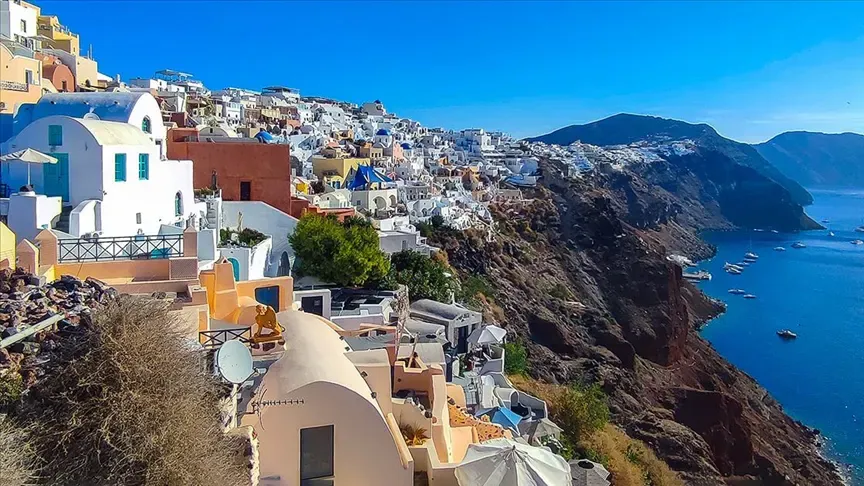
Greece is set to overhaul its tourism model with a new spatial planning framework that introduces strict limits on tourist accommodation, differentiated development zones, and sustainability-focused measures aimed at easing pressure on overcrowded islands.
The plan, to be presented on Monday by Tourism Minister Olga Kefalogianni and Environment and Energy Minister Stavros Papastavrou, marks a shift toward managing tourism based on each area’s level of saturation rather than a uniform national approach.
Islands split Into “Saturation Zones” with bed caps
Under the draft framework, islands and island regions will be classified according to tourism pressure, with “Controlled Development Areas” facing the strictest limits.
In highly saturated zones, new tourist accommodation will be capped at around 75 beds, with discussions ongoing over a possible increase to 100. In less pressured “Developing Areas,” limits could rise to as many as 350 beds.
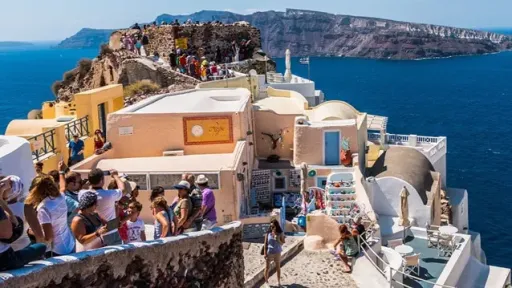
Entire destinations including Mykonos, Santorini, Skiathos, Kos and Corfu Town are classified as saturated, alongside parts of Rhodes, Zakynthos, Syros, Tinos and Crete such as Hersonissos and Malia.
Uneven development rules within the same islands
The framework also introduces “multi-speed” development within individual islands.
For example, on Corfu, Corfu Town falls under strict limits, while other areas may allow significantly larger hotel units. A similar model is applied in Zakynthos, where zones range from heavily restricted urban centres to areas open to new investment under environmental conditions.
Some regions will allow new hotels only if they meet higher sustainability standards, including requirements for three- to five-star classification or lower-category units with strong environmental performance.
Focus on sustainability, upgrades and new levies
Beyond restrictions, the plan promotes upgrading existing tourism infrastructure and encourages low-impact hospitality models such as luxury camping.
It also introduces special tourism levies in saturated and developing areas, covering all types of accommodation. Revenues are expected to be directed toward infrastructure improvements and urban renewal projects in tourist regions.
Stronger environmental protection along coastlines
A key environmental measure includes a proposed ban on construction and landscaping within 25 metres of the coastline, or from the waterline where official boundaries have not been set.
Islands grouped by size and development potential
The framework divides islands into three categories based on size and development potential, ranging from major islands such as Crete, Rhodes and Lesbos to smaller islands under 20 square kilometres.
Larger islands will see designated tourism zones and protected areas where construction may be limited or prohibited. Smaller islands will face tighter restrictions, with only limited low-impact activities permitted in the smallest territories.
Balancing growth with pressure management
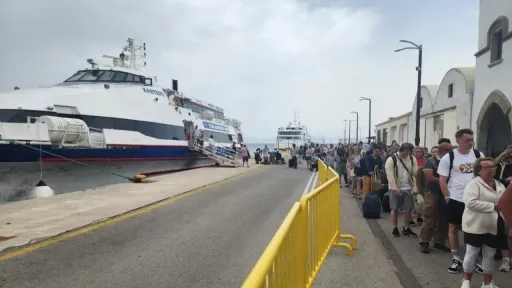
Officials say the reform aims to balance continued tourism growth with the need to protect local communities, infrastructure and natural environments, as Greece faces increasing strain from overtourism in its most popular destinations.
Source:To Vima