One of the Balkans’ largest mosques opens in Kardzhali

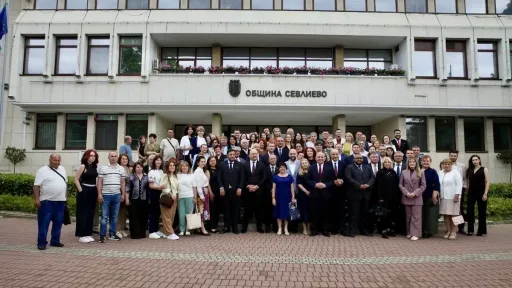
A major new religious landmark has opened in Bulgaria’s Kardzhali: the Yeni Mosque, one of the largest mosques in the Balkans. The inauguration ceremony drew significant attendance from Turkish and Bulgarian officials, as well as hundreds of ethnic Turks from the region.
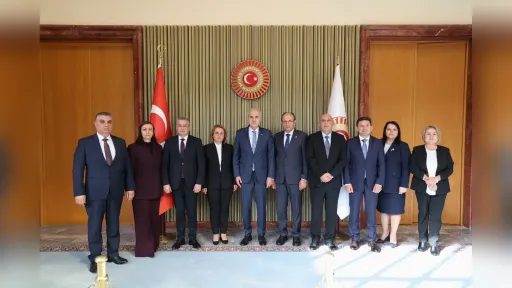
Türkiye’s Minister of Culture and Tourism, Mehmet Nuri Ersoy, attended the opening along with Minister of Youth and Sports Osman Aşkın Bak, TİKA President Abdullah Eren, YTB President Abdullah Turus, AK Party Deputy Chair Zafer Sırakaya, Turkey’s Directorate of Religious Affairs President Safi Arpaguş, Bulgaria’s Grand Mufti Mustafa Ali Haci, and multiple MPs and community leaders from both countries. The mosque complex was completed by TİKA.
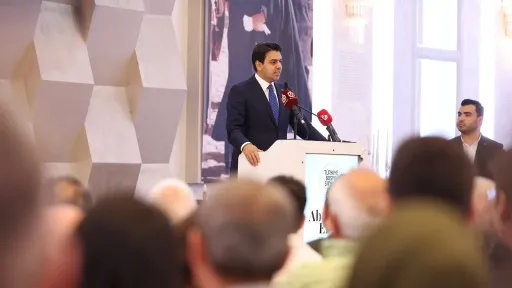
Minister Ersoy emphasized that the mosque represents far more than a place of worship. He highlighted its spiritual, cultural, and social importance for the region’s Muslim community, noting that Türkiye–Bulgaria relations continue to strengthen on foundations of trust, respect, and constructive cooperation. He also underlined the positive rapport between Presidents Recep Tayyip Erdoğan and Rumen Radev, which he said contributes to regional peace and stability.
Ersoy explained that the newly opened complex serves not only religious functions but also the educational, social, and cultural needs of Kardzhali’s Muslim community. Built on a 1,400-square-meter site, the mosque can accommodate 1,200 worshippers simultaneously. With its Qur’an school, meeting rooms, event spaces, and various service units, the complex stands as a key center for community life. It is noted as the only mosque in Bulgaria with a full religious complex (külliye), giving it added significance.
He stressed that this project strengthens the shared historical and cultural ties between Türkiye and Bulgaria through mutual respect, dialogue, and solidarity, and thanked all institutions and individuals who contributed.
Turkey’s Religious Affairs President Safi Arpaguş said the Yeni Mosque, as one of the largest in the Balkans, will serve not just as a prayer space but as a center of knowledge, morality, and social cohesion. He described mosques as sources of guidance, mercy, and blessing, and noted that this impressive structure will help uphold Islamic values and identity in the region.
Arpaguş added that the complex, whose construction began in 2015 and was completed with the help of donors, will become an important cultural and educational hub for the Balkans. He expressed gratitude to President Erdoğan, relevant institutions, and all benefactors who supported the project.