Bulgaria faces political uncertainty as government steps down ahead of Eurozone entry

Bulgarian lawmakers have formally approved the resignation of Prime Minister Rosen Zhelyakov’s minority government, following weeks of mass protests over corruption and a proposed budget that would have increased social security contributions and taxes on dividends.
All 227 lawmakers present at Friday’s session of the 240-member parliament voted in favor of the resignation, clearing the way for either coalition talks or, more likely, a snap election. The decision comes just three weeks before Bulgaria, a nation of 6.7 million, is set to join the eurozone on January 1, 2026.
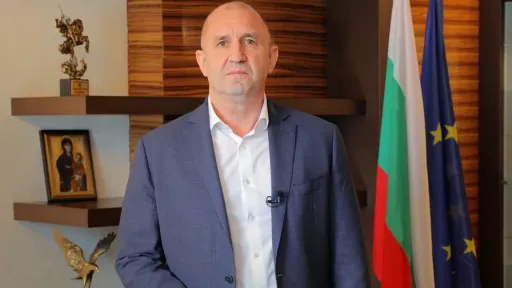
President Rumen Radev, who had urged the government to step down, will now offer the largest party in parliament, GERB, the mandate to form a new government. Its leader, Boyko Borissov, has indicated the party will refuse the mandate. If no other party accepts the task, Radev will appoint an interim administration and call a snap election, potentially continuing a cycle of repeated polls in the fractured parliament.
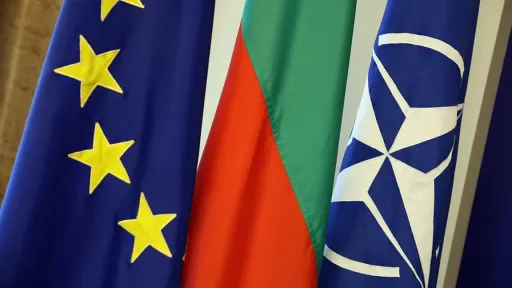
Bulgaria, a NATO and EU member, has already held seven national elections over the past four years due to persistent political instability.