US launches new strikes on Iran as regional tensions escalate

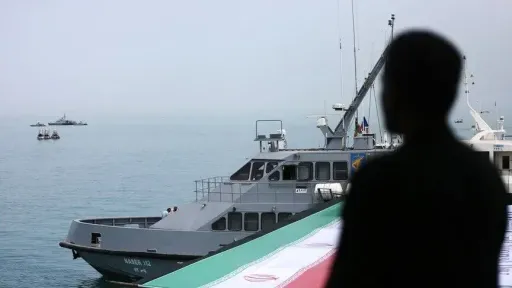
The United States has carried out a new wave of military strikes against Iran, targeting dozens of sites linked to the Islamic Revolutionary Guard Corps (IRGC), as tensions across the Middle East continue to escalate.
The US Central Command (CENTCOM) said American forces completed a "heavy wave" of strikes late Wednesday in response to what it described as attempted Iranian missile attacks on US forces deployed in the region.
According to CENTCOM, the operation targeted military command centers, missile and drone facilities, coastal surveillance and defense installations, and maritime capabilities belonging to the IRGC.
The US military said the strikes followed an attempted surprise attack on July 28, during which Iran launched multiple ballistic missiles at US forces stationed in the Middle East. CENTCOM said all of the missiles were successfully intercepted.
The command added that more than 50,000 US service members remain deployed across the region and are "highly vigilant, focused, lethal, and ready."
Iran reports civilian casualties in Qeshm
Iranian state media reported that the latest US strikes also hit a residential area on Qeshm Island in the country's south.
According to the official IRNA news agency, citing Hormozgan Deputy Governor Ahmad Nafisi, a residential building in the Chah Tangu neighborhood was struck, killing three members of the same family—a father, mother and one of their children.
Two other children from the family were injured and transferred to a medical facility for treatment, the report said.
Separately, Tasnim News Agency reported loud explosions in Ahvaz, in Khuzestan Province, adding that the attacks caused power outages in parts of the city.
Jordan intercepts more Iranian missiles
Jordan said its air defenses intercepted and destroyed five missiles launched from Iran early Thursday, marking the fourth consecutive day of reported interceptions.
The Jordanian military said no casualties were reported.
The latest interceptions follow the downing of five Iranian missiles on Wednesday, one drone on Tuesday and two drones on Monday.
On Wednesday, Iran's IRGC said it had targeted a US air base in Jordan.
Pentagon expands missile defense procurement
Amid the continuing conflict, the Pentagon has significantly expanded procurement of missile defense systems.
According to US media reports, the Defense Department increased its long-term Patriot missile order with Lockheed Martin to a total value of up to $58.6 billion, including a previously awarded $4.7 billion contract.
The Pentagon also awarded the company a preliminary multiyear contract worth up to $35 billion for Terminal High Altitude Area Defense (THAAD) interceptors designed to counter ballistic missile threats.
The expansion follows an April framework agreement involving Boeing and Lockheed Martin aimed at tripling production capacity for key Patriot missile components.
Trump, Netanyahu discuss military and diplomatic options
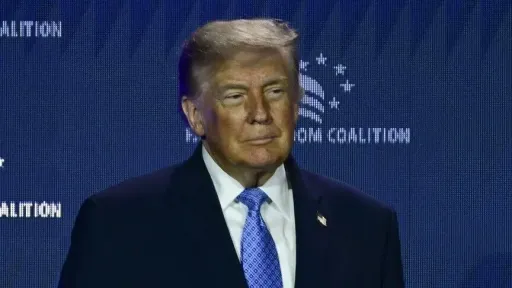
Meanwhile, US President Donald Trump and Israeli Prime Minister Benjamin Netanyahu discussed the conflict and possible next steps during a meeting at the White House, according to Axios.
The report said Trump voiced concern over the war's impact on global financial markets and rising energy prices, warning of broader consequences for international trade.
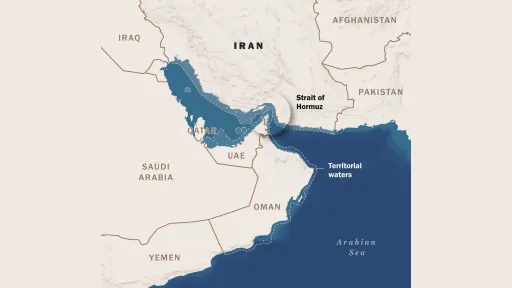
Netanyahu reportedly argued that Iran's influence over the Strait of Hormuz remains Tehran's primary source of leverage and advocated maintaining a naval blockade to increase economic pressure.
According to the report, the two leaders reviewed three possible US approaches: pursuing a diplomatic agreement with Iran, continuing the naval blockade while intensifying economic pressure, or resuming large-scale military operations.
Axios also reported that Netanyahu informed Trump of his intention to gradually eliminate US military aid to Israel over the next decade through a formal transition agreement.
The meeting was the first face-to-face encounter between the two leaders since the Iran conflict began on Feb. 28 and came despite recent public disagreements over Iran policy and US arms sales.
Source:AA