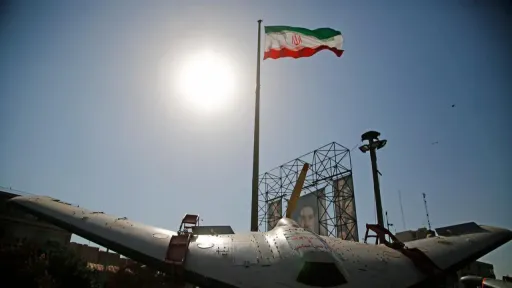
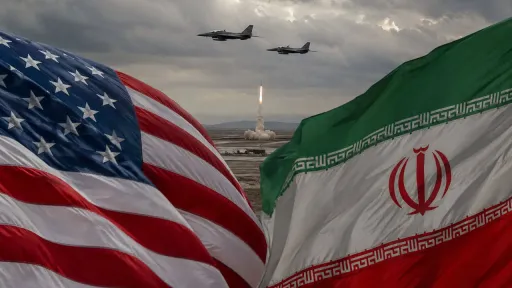
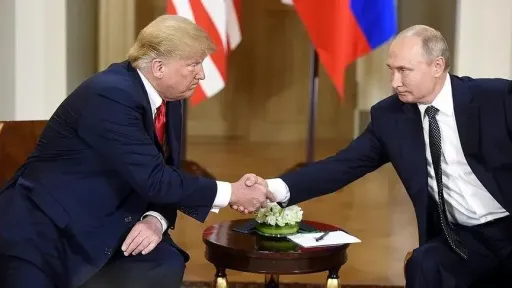
US warns Mideast allies of possible new Iran strikes
US officials have warned several Middle Eastern countries and regional allies to prepare for possible renewed military strikes against Iran after the November 3 midterm elections, as concerns grow over potential Iranian retaliation against energy facilities and critical infrastructure, according to diplomats cited by The Associated Press (AP).
Two diplomats briefed on the discussions said Washington had indicated that a new round of military action could last several days, while regional officials fear Iran and its allied armed groups could respond with a prolonged campaign.
US President Donald Trump has not made a final decision on further strikes, the diplomats stressed, although he has repeatedly said he is considering military action after the elections.
The Wall Street Journal previously reported that Gulf countries were being briefed on preparations for a possible escalation.
US military buildup raises regional tensions
It remains unclear how soon after Election Day the US military could resume strikes. Washington has not attacked Iran since early September, according to AP.
The Pentagon deployed the USS Theodore Roosevelt and amphibious ships carrying Marines from San Diego to the Gulf late last month. The deployment involves approximately 9,000 troops and could bring the total US military presence in the region to more than 20,000 sailors and Marines, alongside hundreds of aircraft, a US official said.
The estimated cost of the war has reached $47.1 billion, according to the latest Pentagon figures provided to Congress.
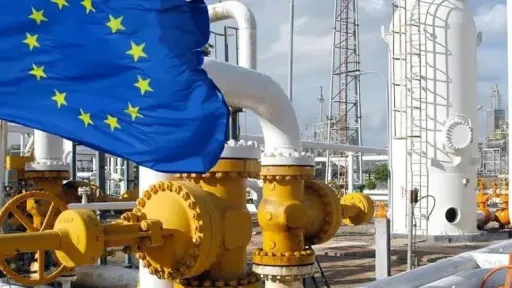
Regional allies have been urged to take precautions against possible Iranian attacks targeting energy infrastructure and other strategic facilities.
Trump says war will end on his terms
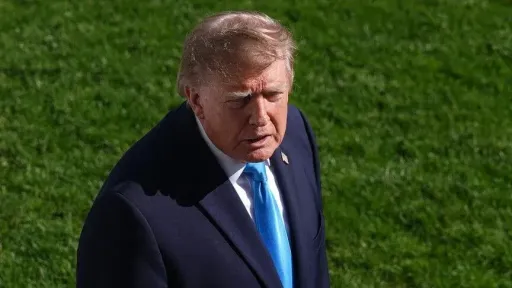
Trump said Tuesday that the conflict would end when he decided the objectives had been achieved, reiterating his demand that Iran never acquire a nuclear weapon.
“Whenever I want it to end,” Trump said in Lubbock, Texas, when asked about the war’s duration. He added that the conflict could end quickly but insisted it must conclude with a definitive outcome preventing Iran from obtaining nuclear weapons.
The president also denied a Wall Street Journal report that he had tasked Vice President JD Vance with restarting negotiations with Tehran.
The newspaper reported that Vance had sent a letter to Iran’s top security official, Mohsen Rezaei. Trump said the communication concerned medical supplies for Iranian patients rather than renewed diplomatic negotiations.
Netanyahu faces political and military calculations
Israel’s inconclusive election has added another dimension to the uncertainty surrounding a possible new military campaign against Iran.
According to the Financial Times, Israeli security experts believe Prime Minister Benjamin Netanyahu could pursue military action while heading a caretaker government, despite the absence of a clear electoral mandate.
The newspaper reported that Netanyahu had instructed the Israeli military to prepare for a multi-day bombing campaign on the weekend of October 10, but the operation did not proceed without approval from Trump.
Danny Citrinowicz, a former Iran analyst with Israeli military intelligence, said Netanyahu faced no legal constraints that would automatically prevent such action, while noting that the military had opposed initiating a war at that time.
Opposition leader Gadi Eisenkot criticized the prospect of a new campaign, arguing that Netanyahu lacked the public mandate to undertake such a move.
“Netanyahu, do not dare use Israel’s security for your political needs,” Eisenkot said.
Failed negotiations leave conflict unresolved
The United States and Israel launched their war against Iran on February 28, prompting Tehran to retaliate with attacks on Israel and US military facilities in Arab countries.
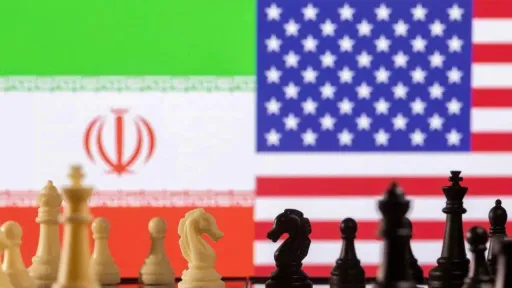
On June 18, Washington and Tehran signed a memorandum of understanding and began negotiations, but the talks later collapsed over disagreements, including navigation through the Strait of Hormuz, a strategic route for global energy and commercial shipping.
With diplomatic efforts stalled and US forces strengthening their regional presence, Middle Eastern governments are preparing for the possibility of renewed hostilities and a wider cycle of retaliation.
The timing and scale of any new US military action remain uncertain, as Trump has yet to announce a final decision.
Source: Türkiye Today, citing The Associated Press, The Wall Street Journal and the Financial Times.