Iran seeks regional security framework as tensions with US persist
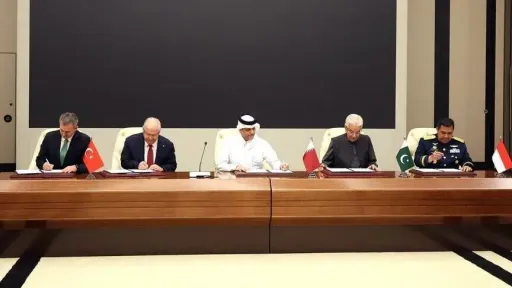
Iran said Monday that talks with Türkiye, Saudi Arabia and Pakistan in Tehran had created a positive atmosphere for regional cooperation, with participants agreeing that West Asia’s security should be managed by regional countries without outside interference.
Mohsen Rezaei, secretary of Iran’s Supreme National Security Council, said the four countries viewed cooperation as a way to address regional crises. The discussions covered regional security, Israeli activities and developments in Palestine and Lebanon.
Rezaei called on Israel to halt its attacks on Lebanon, southern Syria, the Gaza Strip and the West Bank, while arguing that regional countries should have begun cooperating earlier.
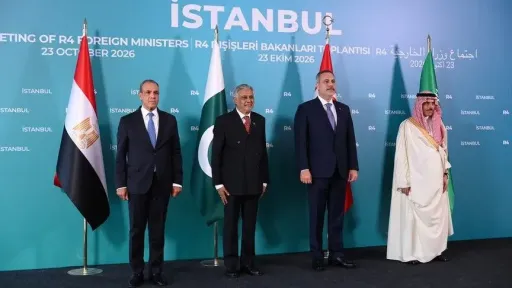
The meeting brought together Saudi Defense Minister Prince Khalid bin Salman, Pakistan’s Chief of Army Staff Asim Munir and Turkish intelligence chief Ibrahim Kalin, alongside Iranian officials.
Saudi Deputy Foreign Minister for Public Diplomacy Raid Krimly said the visiting officials were also expected to meet Iranian President Masoud Pezeshkian. He described the visit as part of efforts to ease regional tensions, promote dialogue and support mediation initiatives led by Qatar and Pakistan.
Iranian Foreign Ministry spokesman Esmaeil Baqaei said the talks could mark the beginning of a regional security framework rooted in the region.
Iran warns of new realities in the Strait of Hormuz
The diplomatic initiative comes as Tehran signals a tougher approach to regional security following its war with the United States and Israel.
Iranian Foreign Minister Abbas Araghchi said Sunday that the conflict had changed the regional landscape, warning that shipping routes through the Strait of Hormuz and the waterway’s management would not return to their previous state.
Araghchi said Tehran would welcome security proposals originating within the region, reinforcing Iran’s position that regional countries should take the lead in managing their own security affairs.
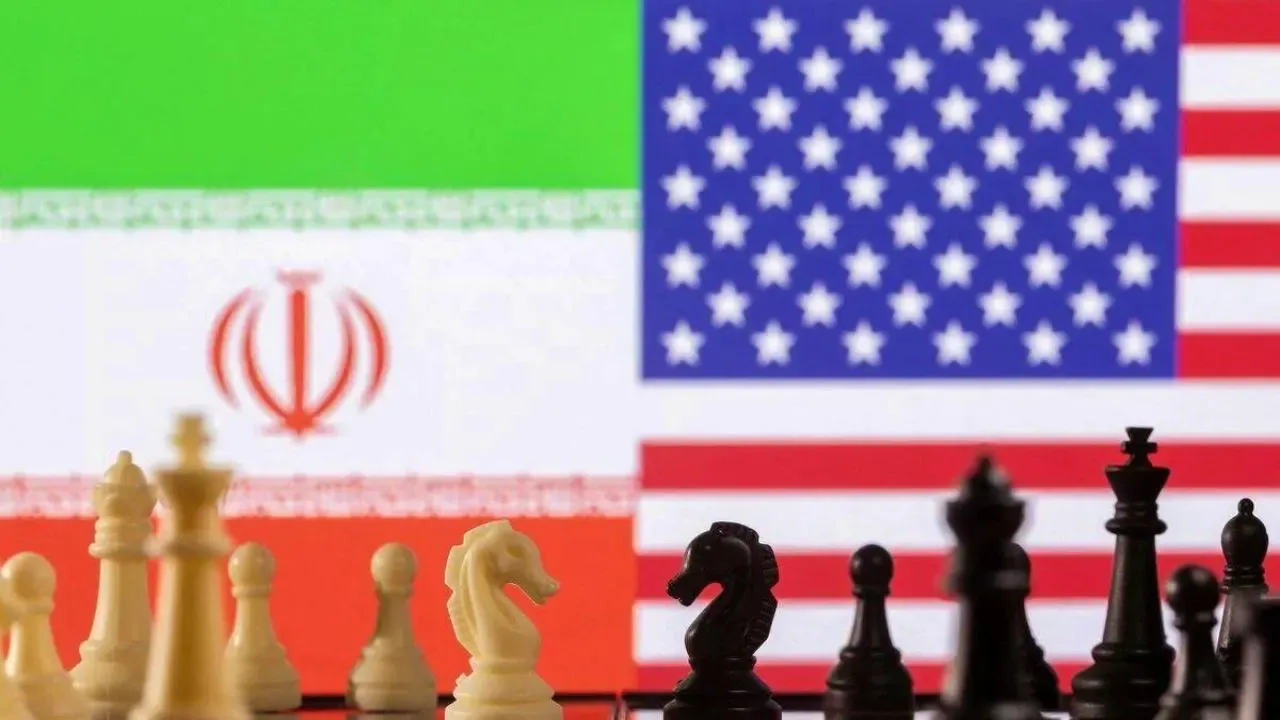
Iran and the United States remain at odds over control of the strategic waterway, a critical route for global energy shipments. Washington has called for unrestricted navigation, while Tehran insists on its authority over passage through the strait.
Diplomatic negotiations have stalled despite an interim agreement signed in June, with tensions rising amid renewed warnings of possible US military action.
Iranian army claims it shot down US drone
Military tensions also remain high after Iran’s army said its air defense forces shot down a US Lucas-type drone over the southern port city of Bandar Abbas on Sunday.
The semi-official Tasnim news agency, citing the military’s public relations department, reported that the drone was destroyed by air defense systems operating within Iran’s integrated defense network. The claim was not independently verified in the reports provided.
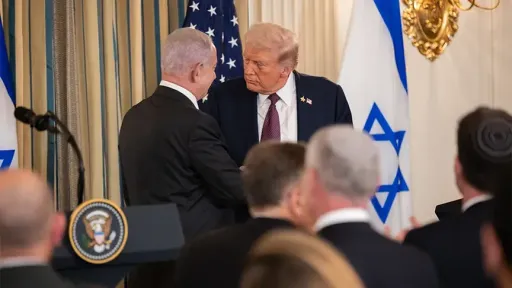
The announcement followed US President Donald Trump’s warning that Washington could strike Iran again or pursue an agreement with Tehran.
The conflict began with US-Israeli strikes on Iran in late February and escalated into a wider regional confrontation. A ceasefire and efforts to finalize a peace agreement have not fully resolved the underlying disputes.
US intelligence warns of alleged Iranian plots
Meanwhile, US intelligence has identified an increase in alleged Iranian efforts to target American officials in the Middle East and elsewhere, according to a report published Friday by Axios.
The report cited an October 23 memo from Director of National Intelligence Jay Clayton to Secretary of State Marco Rubio. It said some alleged plots had reached advanced stages and called for threat information to be shared more widely with relevant personnel.
The memo did not identify specific targets, locations outside the Middle East or details of the alleged plots.
The reported intelligence developments come as Washington reduces staffing at several diplomatic missions across the region. The State Department ordered family members and nonessential personnel to leave US diplomatic facilities in Saudi Arabia and subsequently directed reductions in diplomatic and government personnel at missions in the United Arab Emirates, Lebanon, Qatar and Jordan.
A US official cited concerns over potential Houthi attacks and alleged Iranian plots as reasons for reducing the American diplomatic presence.
Trump also said Friday that the United States could launch another attack on Iran, adding to uncertainty over whether the confrontation will return to open hostilities.
Pezeshkian to meet Putin in Moscow
Against this backdrop, Iranian President Masoud Pezeshkian is scheduled to travel to Moscow for a one-day visit, including participation in a summit of the Gas Exporting Countries Forum and talks with Russian President Vladimir Putin.
Pezeshkian is expected to address Tuesday’s summit, which brings together major natural gas-producing countries, including Iran, Russia, Qatar and Algeria.
Iranian Foreign Minister Abbas Araghchi said the meeting with Putin would follow up on discussions held during Russian Foreign Minister Sergey Lavrov’s visit to Tehran on October 19.
The talks are expected to focus on bilateral cooperation and regional and international developments.
The Moscow visit comes as Iran seeks to strengthen diplomatic and economic ties while promoting a regional security arrangement that limits external involvement.
With diplomatic contacts continuing alongside military warnings and heightened security measures, the coming days are likely to be significant for efforts to prevent a renewed escalation across West Asia.
Source:AA