US-Iran talks make headway as Tehran warns against new threats

Indirect talks between the United States and Iran have recorded "positive progress," Qatar announced on Wednesday, as diplomatic efforts to consolidate a fragile ceasefire continued alongside renewed warnings from Tehran against any threats targeting the Iranian leadership.
Qatari Foreign Ministry spokesperson Majed Al Ansari said Qatari and Pakistani mediators held separate meetings with US and Iranian delegations in Doha, making progress on issues related to the Islamabad Memorandum of Understanding, building on the outcomes of the Lake Lucerne Summit.
The parties agreed to continue negotiations, with the next round of talks expected to take place after the funeral of former Iranian Supreme Leader Ali Khamenei, who was killed in a US-Israeli strike on Feb. 28. His funeral is scheduled for Friday.
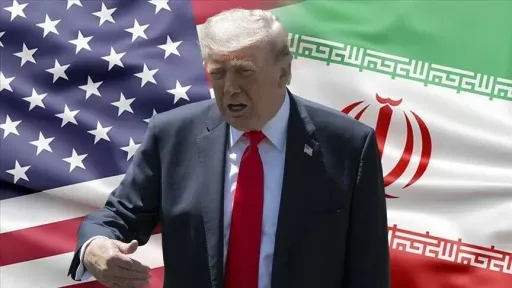
The Islamabad Memorandum of Understanding, brokered by Pakistan and signed electronically by US President Donald Trump and Iranian President Masoud Pezeshkian, entered into force on June 18. It provides a framework for ending the conflict that began in late February and covers a ceasefire across multiple fronts, sanctions relief, Iran's nuclear programme, the reopening of the Strait of Hormuz and broader regional security arrangements.
Shipping gradually returns to Hormuz
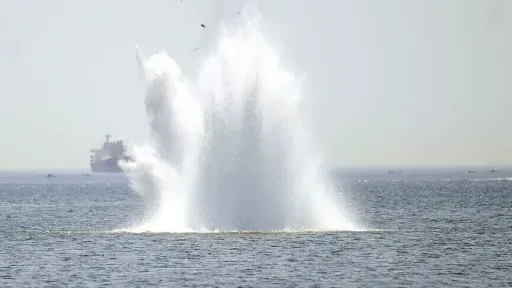
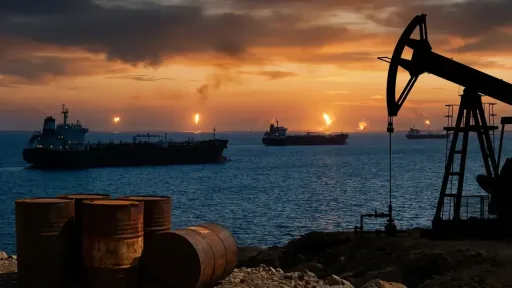
The easing of tensions has already begun to revive maritime traffic through the Strait of Hormuz, one of the world's most important energy corridors.
Bilgehan Engin, president of the Turkish Forwarding and Logistics Association (UTIKAD), told Anadolu that commercial transit has been steadily recovering since the agreement took effect.
Before the conflict, about 130 commercial vessels transited the strait daily. Traffic collapsed after the outbreak of hostilities on Feb. 28, although vessel movements have increased in recent weeks. Even so, shipping volumes remain around 70% below pre-war levels.
Engin said freight rates, insurance costs and risk premiums surged during the conflict, driving tanker and container shipping prices to record highs. While insurance premiums have begun to ease, freight rates remain elevated due to lingering structural costs and continuing security concerns.
He said the market is expected to undergo gradual normalization rather than a sharp decline in prices, with shipping companies renegotiating contracts signed during the crisis and adopting more flexible pricing models. Gulf ports are also expected to recover as trade resumes, although security risks in the Red Sea could slow the pace of recovery.
Tehran issues fresh warning
Iran, meanwhile, reaffirmed that it would respond decisively to any new threats.
Foreign Minister Abbas Araghchi said the terms of the Islamabad memorandum were "crystal clear" and warned that any threat against the Iranian people or leadership would receive an "immediate powerful response."
His remarks came after reports quoting Israeli Defense Minister Israel Katz as saying that Iran's Supreme Leader Mojtaba Khamenei had been "marked for death."
Araghchi also said US President Donald Trump had committed Washington to restraining Israel, underscoring Tehran's expectation that the agreement should prevent further military escalation.
The latest diplomatic progress and the gradual recovery of shipping through the Strait of Hormuz are being closely watched by global markets, with both seen as key indicators of whether the region is moving toward lasting stability after months of conflict.
Source:AA