Oil falls below $80 on optimism over US-Iran peace deal

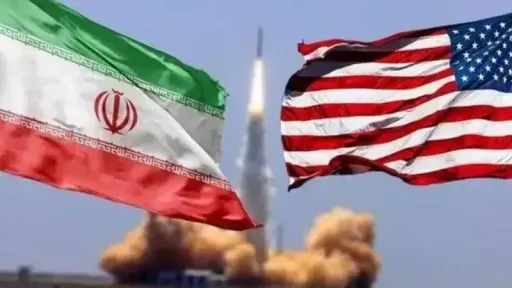
Oil prices fell to their lowest levels in three months on Tuesday as markets welcomed the prospect of the Strait of Hormuz reopening following an expected peace agreement between the United States and Iran.
Brent crude, the international benchmark, dropped 3.8% to $79.99 a barrel, slipping below the $80 mark for the first time since early March.
US benchmark West Texas Intermediate (WTI) also declined sharply, falling 3.9% to $77.61 a barrel.
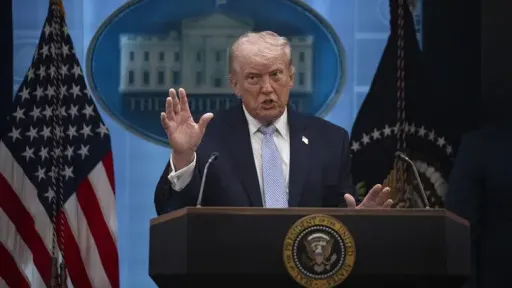
The decline followed comments by US President Donald Trump, who said the Strait of Hormuz would be “completely open” once Washington and Tehran formally sign a peace agreement in Switzerland on Friday.
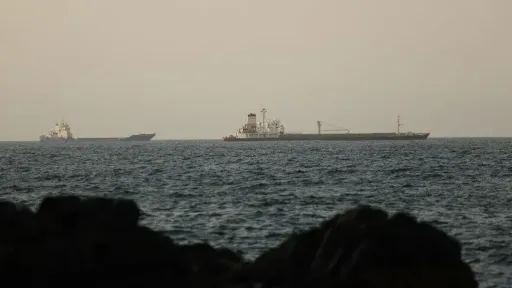
Iran had effectively halted tanker traffic through the strategic waterway in response to US and Israeli strikes launched in late February, disrupting global oil and gas shipments and triggering a sharp rise in energy prices.
Traders focus on supply outlook
Market participants view the reopening of the Strait of Hormuz as one of the most immediate economic benefits of a potential agreement between Washington and Tehran.
“Traders are pricing in the reopening of the Strait of Hormuz as the most immediate and positive result of any peace deal,” said David Morrison, senior market analyst at brokerage Trade Nation.
Although Iranian officials have warned they could impose tolls on vessels using the route, Morrison said investors were increasingly focused on improving supply conditions.
“As far as oil traders are concerned, they see a market which is loosening up at last,” he said.
The Strait of Hormuz is one of the world's most important energy transit routes, carrying a significant share of global oil and liquefied natural gas exports. Any disruption to traffic through the narrow waterway has immediate implications for international energy markets and prices.