US intensifies strikes on Iran as Tehran threatens regional energy infrastructure

Fighting continues despite a Pakistan-brokered framework agreement, with both sides escalating military operations and warnings over the Strait of Hormuz.
Twelfth consecutive night of US strikes
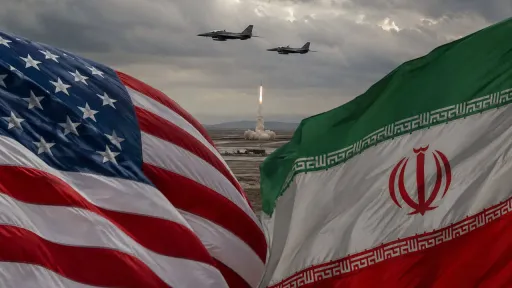
The United States has carried out a 12th consecutive night of strikes against military targets in Iran, as tensions between Washington and Tehran continued to escalate despite a Pakistan-brokered framework agreement aimed at ending months of conflict.
The US Central Command (CENTCOM) said its latest operation targeted missile and drone storage facilities, maritime capabilities, coastal surveillance sites and air defense assets. The command said the campaign is intended to further degrade Iran's ability to threaten commercial shipping and civilian vessels in regional waters.
CENTCOM also said US forces have struck dozens of military sites across Iran this month while enforcing a naval blockade. According to the command, nine commercial vessels have been redirected and one disabled to prevent traffic to and from Iranian ports. More than 50,000 US service members remain deployed across the Middle East.
Explosions reported across southern Iran
Fresh explosions were reported overnight in several parts of southwestern and southern Iran, including Ahvaz, Ramshir, Bandar Mahshahr, Sirik and near Bushehr.
Iranian authorities said a missile struck a power station near the Bushehr nuclear power plant, causing a temporary power outage in a nearby village.
Iranian officials also reported that a US strike hit the Shalamcheh border crossing with Iraq, killing two people and injuring 11 others. Another missile reportedly struck an area near the city of Andimeshk in Khuzestan province.
Strait of Hormuz dispute deepens
The military escalation has been accompanied by increasingly sharp rhetoric over the Strait of Hormuz, a critical route for global oil shipments.
Iran's Khatam al-Anbiya Central Headquarters warned that if the United States attacks Iranian infrastructure, Tehran will target oil, gas, electricity and other economic facilities across the region, adding that it "will not allow the export of even a single drop of oil."
Iran also maintained that the Strait of Hormuz remains under its control and said vessels must follow procedures established by Tehran when transiting the waterway.
CENTCOM rejected those claims, insisting Iran does not control the strait and stating that US forces have assisted more than 900 vessels in safely transiting the passage since early May.
Exchange of threats continues
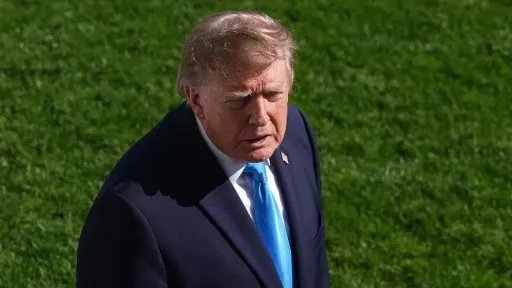
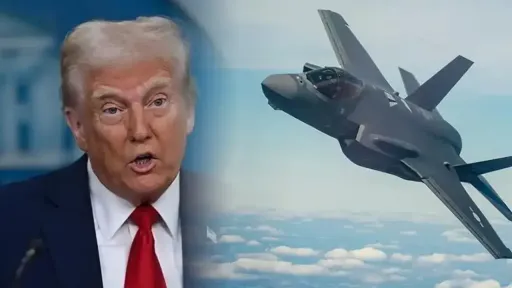
The latest exchange follows a warning by US President Donald Trump that Washington would strike Iranian bridges or power plants if Tehran continued attacking commercial shipping in the Strait of Hormuz.
Iranian military officials responded by warning that any such action would prompt attacks on regional infrastructure, including energy facilities linked to US interests.
Despite the continuing military operations, both countries remain formally bound by a Pakistan-mediated framework agreement signed in June that sought to end the conflict, which began in February, and lay the groundwork for a broader peace settlement.
Source:AA