Trump warns of military action if Iran talks fail as diplomatic efforts continue

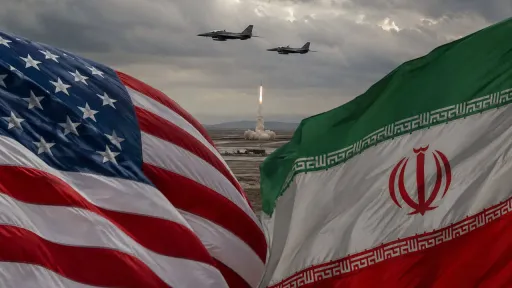
U.S. President Donald Trump said Monday that negotiations with Iran remain underway but warned that Washington is prepared to resort to military force if diplomatic efforts fail, describing the timeframe for reaching an agreement as extremely limited.
"Not much time. Either it goes fast or not at all," Trump told Axios when asked how long he was prepared to allow for negotiations.
In comments to Israel's Channel 12, Trump said the United States would return to "very strong military action" if talks collapsed. He added that he had suspended planned strikes on Friday after requests from regional mediators, arguing that postponing military action had resulted in "nothing gained, nothing lost."
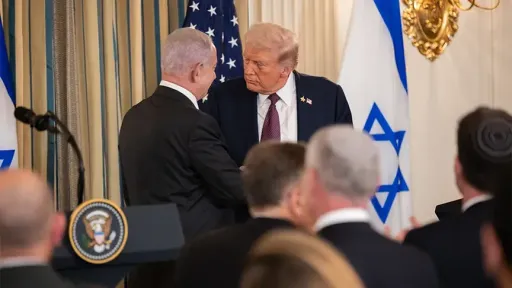
Trump is scheduled to meet Israeli Prime Minister Benjamin Netanyahu at the White House on Tuesday, with Iran expected to dominate the agenda. The U.S. president said he intended to discuss Iran's nuclear program, arguing that Tehran would have acquired nuclear weapons if he had not returned to office.
Fighting pauses as diplomatic contacts continue
The latest comments came after several days without U.S. airstrikes following nearly two weeks of sustained military operations against Iranian targets. Iran also announced it had suspended retaliatory attacks against U.S. allies in the region.
Iranian army spokesperson Mohammad Akraminia said Tehran had halted retaliatory operations, while U.S. Ambassador to the United Nations Mike Waltz said the Trump administration was allowing diplomacy "some space" and that contacts with Iran were continuing "at every level."
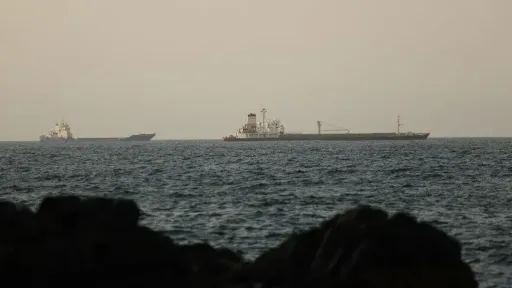
The pause has raised cautious hopes that negotiations could resume after fighting around the Strait of Hormuz derailed earlier diplomatic efforts and expanded the conflict to Gulf shipping routes, military installations and regional allies.
Dispute over military readiness
U.S. media reports suggested the temporary halt in military operations reflected concerns among senior administration officials over dwindling supplies of Patriot interceptor missiles and other munitions, as well as the broader risks of escalation.
Trump dismissed those reports, telling *The Wall Street Journal* that the United States possesses "far more munitions than anyone in the world, and far more than we need."
Waltz also rejected suggestions of ammunition shortages, insisting the U.S. military has all the resources required to continue operations if necessary.
Oil prices fall amid reduced tensions
The pause in hostilities eased concerns over disruptions to global energy supplies, sending oil prices sharply lower on Monday.
Brent crude briefly fell by more than 7% to below $90 per barrel, while U.S. benchmark West Texas Intermediate dropped around 4% to approximately $85.45 per barrel as investors responded positively to the reduction in military activity.
However, regional tensions remain high. Unconfirmed Iranian media reports claimed an oil tanker had been damaged by a sea mine, while Iran-backed Houthi forces in Yemen said they had shot down a Saudi drone and launched attacks on Saudi oil facilities following Saudi airstrikes on Houthi positions.
Netanyahu backs tough stance on Iran
Ahead of his Washington visit, Netanyahu reiterated support for Trump's efforts to prevent Iran from developing nuclear weapons.
"If he can do so without returning to intense military fighting, that's fine. Why not? But one way or the other, they have to end their nuclear program, and with a deal or without a deal, that has to come to an end," Netanyahu said.
Iran has consistently maintained that its nuclear program is intended for civilian purposes, while the United States and its allies argue that Tehran is seeking to develop nuclear weapons.
Trump dismisses Israeli concerns over possible F-35 sale to Türkiye
Separately, Trump rejected reported Israeli objections to a potential U.S. sale of F-35 fighter jets to Türkiye, stressing that decisions on American arms sales would be made solely by Washington.
"Türkiye has been a tremendous ally," Trump told reporters aboard Air Force One. "Nobody tells me what we should be selling or not selling."
Trump also praised Turkish President Recep Tayyip Erdoğan, describing him as a friend and commending his handling of developments in Syria. While acknowledging longstanding tensions between Türkiye and Israel, he emphasized Türkiye's importance as a NATO ally and highlighted the strength of its military.
The issue gained renewed attention after Trump indicated during the recent NATO summit that Washington was open to lifting sanctions on Türkiye and reconsidering its participation in the F-35 program.
Türkiye was removed from the multinational F-35 program in 2019 following its acquisition of Russia's S-400 air defense system, despite being one of the project's production partners. Since then, Ankara has expanded its domestic defense industry, producing drones, missiles, armored vehicles, naval platforms and developing its indigenous fifth-generation KAAN fighter aircraft.
Source:DailySabah