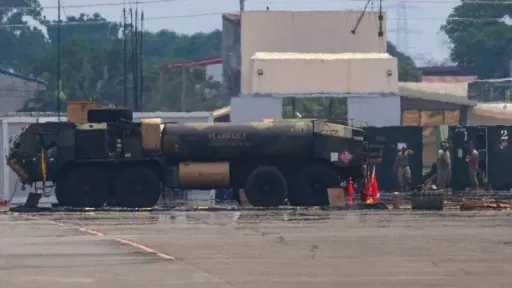
US, Saudi strikes deepen regional tensions

The United States and Saudi Arabia launched joint airstrikes on Iran-backed targets in Iraq, while Iran claimed responsibility for ballistic missile attacks against US positions in Jordan and announced the interception of three oil tankers in the Strait of Hormuz, marking a further escalation in regional tensions.
Joint strikes in Iraq
The US Central Command (CENTCOM) said US and Saudi forces carried out precision strikes on July 28 against logistics and weapons facilities used by Iran-aligned groups in eastern Iraq. According to CENTCOM, the operation was launched in response to more than 30 drone attacks over the previous 72 hours that it said had been directed by Iran's Islamic Revolutionary Guard Corps (IRGC) against US forces and Saudi energy infrastructure.
CENTCOM said the drone attacks failed to achieve their objectives and warned that further attacks by the IRGC and affiliated groups could trigger additional US military action. It also said Iran-backed groups had conducted more than 600 attempted attacks against US personnel and facilities between February and April.
Saudi Arabia's Defense Ministry said the operation was carried out under the right of self-defense under Article 51 of the UN Charter, describing the strikes as a response to attacks launched from Iraqi territory against the kingdom's petroleum facilities. Riyadh said it did not seek escalation but would respond to any aggression.
PMF reports casualties
The Popular Mobilization Forces (PMF), a largely Iran-backed coalition of Shiite armed groups, said several of its headquarters were struck during the overnight raids.
The group reported deaths, injuries and damage to its facilities, describing the operation as a dangerous escalation, a violation of Iraq's sovereignty and an attack on official security institutions. Iraqi authorities are assessing the extent of the casualties and damage.
Iran claims missile strike on US base
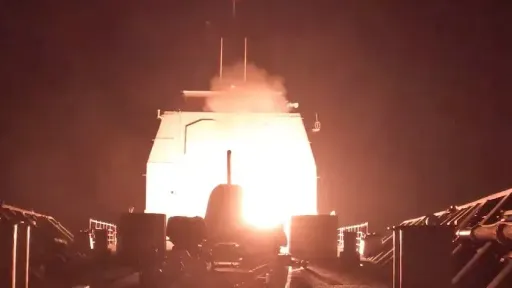
Separately, CENTCOM said Iran's IRGC launched multiple ballistic missiles from Iranian territory toward US forces stationed in the Middle East, adding that all of the missiles were successfully intercepted.
The IRGC later confirmed it had targeted a US air base and command center in Jordan, describing the attack as retaliation for recent US military operations against Iran. It warned that attacks would continue as long as Washington maintained what it called hostile actions against Iranian interests.
Jordan's armed forces said its air defenses intercepted and destroyed five Iranian missiles before they reached their targets. No casualties or damage were reported. The kingdom has also reported intercepting drones entering its airspace over the past three days.
US President Donald Trump said Washington was engaged in "very good talks" with Tehran but reiterated that Iran would not be allowed to obtain a nuclear weapon.
Iran intercepts oil tankers
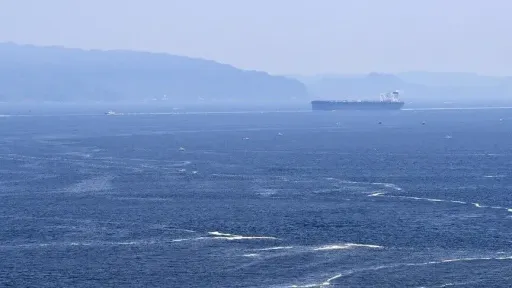
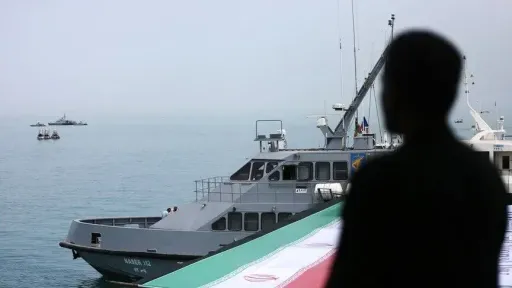
The IRGC Navy said it intercepted and stopped three oil tankers in the Strait of Hormuz after the vessels allegedly ignored warnings. Iranian authorities did not identify the ships or provide details on the alleged violations.
The move came as Tehran maintained pressure over the future of the strategic waterway.
Hormuz negotiations continue
Iran's Deputy Foreign Minister Kazem Gharibabadi said Tehran had presented Oman with what it described as its final proposal for reopening the Strait of Hormuz.
Under the proposal, Iran insists that one shipping lane remain entirely under its control, with partial control over a second lane. Gharibabadi said Iran would reject any alternative arrangement and warned the strait would remain closed if Oman did not accept the proposal.
Iran seeks compensation from Ukraine
Iranian Foreign Minister Abbas Araghchi said his Ukrainian counterpart, Andrii Sybiha, had assured him that an attack on an Iranian commercial vessel in the Caspian Sea was unintentional and that Kyiv did not seek escalation.
Araghchi said Iran also wanted to avoid further tensions but stressed that attacks on Iranian citizens or national interests were unacceptable and demanded compensation for the losses.
The dispute follows Tehran's accusation that a Ukrainian strike on an Iranian commercial vessel killed one sailor and injured another. Ukraine has said its military operations are directed solely against Russian military objectives and not civilian vessels.
Source:AA