Trump signals ‘Last chance’ for Iran as conflicting accounts emerge over renewed talks

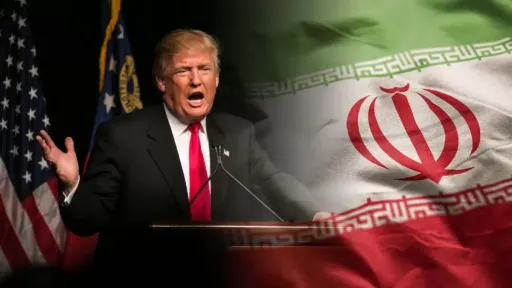
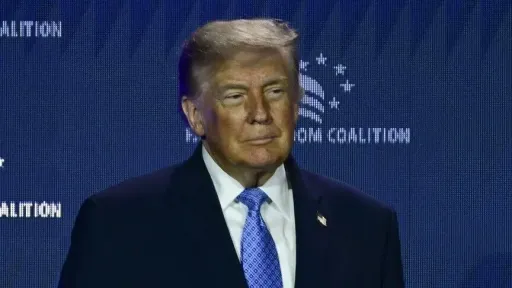
US President Donald Trump said Monday that his administration is giving Iran a "last chance" to reach an agreement before considering what he described as a "decapitation" action, as conflicting statements from Washington and Tehran highlighted continued uncertainty over the status of negotiations following weeks of military confrontation.
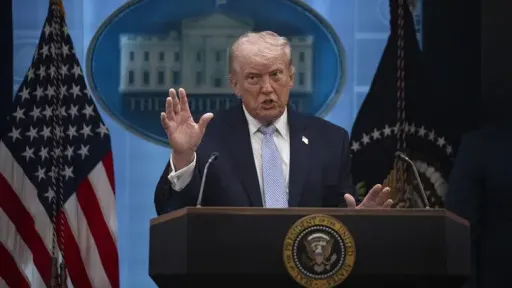
Speaking at the White House, Trump claimed discussions with Iran were already underway despite repeated denials from Tehran, saying the diplomatic effort was being facilitated with the support of Saudi Arabia, the United Arab Emirates and Qatar.
"Iran did not want to be hit, and they said we want to talk," Trump told reporters. "This is the last chance for them to sign a good document."
When asked about the future of the talks, Trump insisted negotiations were continuing.
"They're going on right now," he said, adding that Iranian officials often deny talks publicly despite holding lengthy discussions behind closed doors.
Focus on Hormuz before nuclear negotiations
According to Trump, the negotiations would proceed in two stages, beginning with restoring full navigation through the Strait of Hormuz before moving to discussions on Iran's nuclear program.
He said the immediate objective was to reopen the strategic waterway "literally by tomorrow," while stressing that the United States would not allow Iran to impose transit charges on commercial vessels using the strait.
Trump also predicted oil prices would fall once tensions with Iran were resolved and criticized major US energy companies, including ExxonMobil and Chevron, for what he described as excessive profits, urging them to lower fuel prices for consumers.
Iran denies direct negotiations with Washington
Iran, however, rejected Trump's account.
Foreign Ministry spokesperson Esmaeil Baqaei said Tehran was not engaged in negotiations with the United States and that current discussions were instead focused on cooperation with Oman to establish a temporary maritime route through the Strait of Hormuz to ensure safe navigation.
"Our current discussions with Oman are focused on ensuring the safe passage of ships in the Strait of Hormuz," Baqaei said, reiterating that "we are not having negotiations with the United States."
Mediators working to revive diplomac
Despite Tehran's public denial, regional mediation efforts appear to be continuing.
Pakistani government sources said no date or venue had yet been finalized for a new round of direct US-Iran negotiations, contradicting Trump's suggestion that talks were already underway.
According to the sources, Pakistan and Qatar are maintaining contacts with both governments in an effort to agree on a framework for resuming diplomacy. Islamabad and Doha remain among the possible venues for future meetings.
Officials familiar with the mediation efforts said any renewed diplomatic process would likely begin with indirect talks through intermediaries before progressing to direct negotiations.
The initial phase would focus on consolidating the current pause in hostilities, reopening the Strait of Hormuz and restoring maritime trade, while more contentious issues—including Iran's nuclear program—would be addressed only in later stages.
Pakistani Interior Minister Mohsin Naqvi is also expected to visit Tehran in the coming days as part of efforts to facilitate the diplomatic process.
Hormuz negotiations gain strategic importance
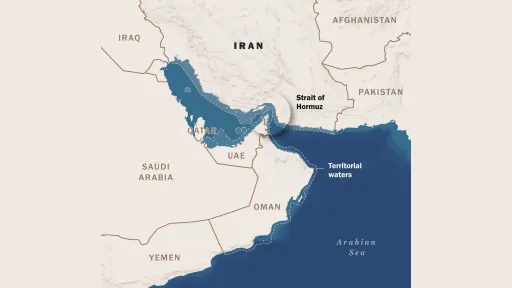
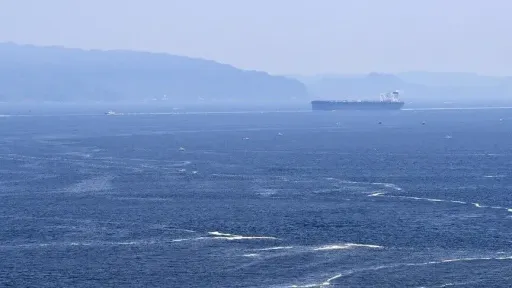
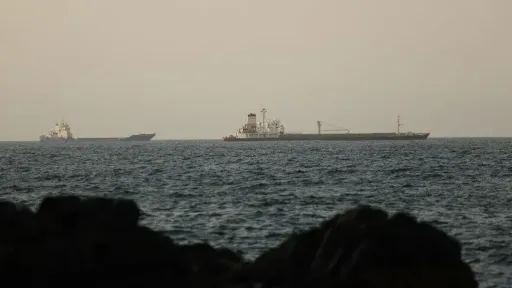
The Strait of Hormuz has emerged as one of the central issues in the current diplomatic efforts after recent fighting disrupted shipping through one of the world's most important energy corridors.
Iran and Oman are negotiating a new framework for managing maritime traffic through the narrow waterway, which connects the Persian Gulf with the Gulf of Oman and carries a significant share of global oil and liquefied natural gas exports.
Oman has proposed a joint management mechanism modeled on the Strait of Malacca, where neighboring countries cooperate on navigational safety while retaining sovereignty over their territorial waters.
Iran has instead proposed an arrangement that would give Tehran greater oversight of both inbound and outbound shipping lanes, arguing that any new system must safeguard the country's sovereignty and security interests.
Iranian Foreign Minister Abbas Araghchi has said negotiations with Muscat are nearing completion, although Omani authorities have not publicly confirmed that assessment.
The outcome of the talks could reshape the management of one of the world's most strategically significant maritime chokepoints and play a key role in broader efforts to reduce regional tensions and restore stable commercial navigation.
Military pressure continues alongside diplomacy
As diplomatic contacts continue, reports indicate that Washington is also examining additional ways to increase pressure on Tehran.
According to CNN, a senior officer at US Central Command (CENTCOM) recently circulated an internal request seeking "creative and unconventional" options to pressure Iran, reflecting the administration's search for new leverage as negotiations remain uncertain.
CENTCOM said soliciting ideas from personnel across the command is a longstanding practice designed to improve operational planning.
The report also cited US intelligence assessments suggesting that recent American military strikes are unlikely to alter Iran's negotiating position significantly.
The latest diplomatic maneuvering follows weeks of military exchanges between the two countries after Washington launched strikes on targets inside Iran and Tehran retaliated against what it described as US military facilities in several Arab states.
The escalation stalled negotiations launched under a memorandum of understanding signed in June, leaving freedom of navigation in the Strait of Hormuz and security guarantees among the principal obstacles to a broader agreement.
Source:AA