US, Iran exchange mixed signals as Doha talks proceed

The United States and Iran sent mixed messages on Tuesday over diplomatic efforts to implement their recent memorandum of understanding, as US Vice President JD Vance confirmed technical talks were proceeding in Doha while Tehran continued to deny any direct negotiations with Washington.
Speaking on The Michael Knowles Show, Vance said technical discussions between US and Iranian officials were scheduled to continue in Qatar despite Iran's public denials.
"There were scheduled talks, really technical talks, building on the negotiation that we've already had. Those are definitely happening," Vance said, describing Tehran's public stance as a "Persian negotiating tactic."
In a separate interview with Fox News, Vance said Washington was focused on Iran's actions rather than its rhetoric, adding that any diplomatic breakthrough would depend on Tehran making "real concessions."
White House envoys Steve Witkoff and Jared Kushner traveled to Doha, where they were expected to meet Qatari Prime Minister Sheikh Mohammed bin Abdulrahman bin Jassim Al Thani and other mediators following President Donald Trump's announcement that Iran had requested talks in the Qatari capital.
Iran, however, rejected claims that direct negotiations with the United States were taking place.
Foreign Ministry spokesman Esmaeil Baqaei said Wednesday's discussions in Doha would focus on implementing provisions of the memorandum of understanding with the Qatari side, including the release of Iran's frozen assets, while consultations with intermediaries would continue.
Iran defends Hormuz role
Iranian Parliament Speaker and chief negotiator Mohammad Bagher Qalibaf said free passage through the Strait of Hormuz under the memorandum would be guaranteed for only 60 days, stressing that Tehran would not relinquish its rights over the strategic waterway.
He said Iran was pursuing implementation of the agreement, including sanctions relief, access to frozen assets and progress on the nuclear file, while warning that Tehran remained prepared for military confrontation if negotiations failed.
Qalibaf also claimed oil-related sanctions had been lifted and said Iran had increased oil exports following the agreement.
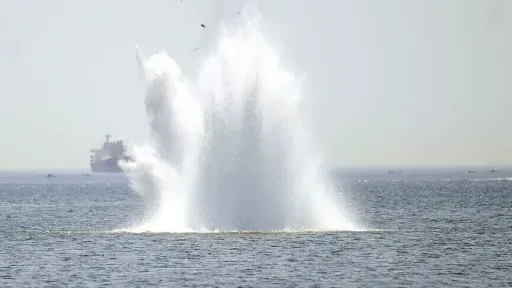
Separately, Baqaei rejected suggestions of international involvement in clearing mines in the Strait of Hormuz, saying Iran alone was capable of carrying out demining operations and ensuring safe navigation without outside assistance.
His remarks came after French President Emmanuel Macron said France and Oman would cooperate with partners to support demining efforts in the strategic waterway.
India backs diplomacy
Indian Prime Minister Narendra Modi, meanwhile, spoke by telephone with Iranian President Masoud Pezeshkian and reiterated the need for continued efforts to achieve lasting peace and stability in the region.
According to New Delhi, Modi welcomed the recent understanding and reaffirmed India's position that disputes should be resolved through dialogue and diplomacy while stressing the importance of safeguarding freedom of navigation and commerce.
Pezeshkian said Iran sought to expand bilateral cooperation with India and expressed confidence that coordinated efforts by responsible countries would help counter regional instability.
The memorandum of understanding between Washington and Tehran, brokered through Pakistani mediation, entered into force on June 18. It provides a framework for ending hostilities and addressing issues including sanctions relief, Iran's nuclear programme, the reopening of the Strait of Hormuz and broader regional security arrangements.
Source:AA