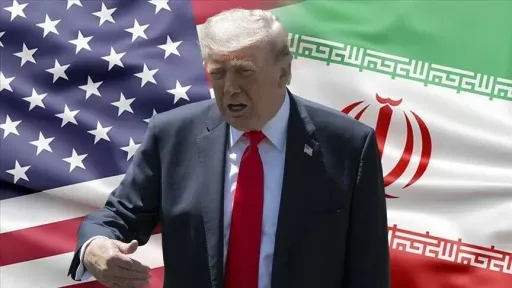
Iran says no US talks planned as focus remains on implementing memorandum

Iran said on Monday that no negotiations with the United States are scheduled in the coming days, stressing that its priority is the implementation of the memorandum of understanding reached between the two countries on June 18.
Foreign Ministry spokesman and negotiating team representative Esmaeil Baqaei told reporters that Tehran is focused on ensuring the implementation of the agreement and is "seriously pursuing" its demands under the memorandum.
He said the United States had already issued the necessary licenses under Article 10, which relates to Iranian oil exports, and that Tehran is monitoring the implementation process.
Regarding Article 11, which concerns the release of Iran's frozen assets, Baqaei said implementation is also underway. An Iranian expert delegation is expected to travel to Doha later this week to follow up on the issue.
He added that negotiations on a comprehensive agreement have not yet begun, noting that Article 13 stipulates such talks can only start after the implementation and continued enforcement of Articles 1, 4, 5, 10 and 11.
Baqaei also dismissed reports of a possible meeting with senior US officials in Doha, saying any American visit to Qatar would be unrelated to Iran's technical delegation.
"There will be no negotiation meeting with the American side at any level in the coming days," he said.
Pezeshkian reaffirms Iran's commitment
President Masoud Pezeshkian said Iran will continue to honor the memorandum as long as Washington fulfills its obligations.
"The understanding is a reciprocal matter. If the American side remains committed to the memorandum, we will also fulfill our commitments," Pezeshkian said in a post on X.
He added that Iran would respond to what he described as unreasonable rhetoric and threats with rationality, respect for human dignity in decision-making, and decisive action whenever necessary.
Memorandum outlines phased implementation
The 14-point memorandum of understanding entered into force on June 18 after it was electronically signed by President Pezeshkian and US President Donald Trump, following weeks of regional tensions sparked by US and Israeli strikes on Iran.
The agreement provides for a phased implementation process. Article 1 covers the ceasefire and the end of military operations, Article 4 addresses the Lebanon front and Israeli withdrawal arrangements, while Article 5 regulates temporary navigation and security coordination in the Strait of Hormuz.
Articles 10 and 11 focus on Iranian oil exports and the release of frozen Iranian assets, respectively. Future negotiations on a broader agreement remain contingent on the successful implementation of the memorandum's initial provisions.
Iranian officials have repeatedly described the memorandum as being based on reciprocal commitments, warning that any failure by Washington to meet its obligations could affect the continuation of the process.
AA